


As a supplier of LP Gas Tank Regulators, I often receive inquiries from customers about the suitability of using these regulators for outdoor grills. This blog post aims to provide a comprehensive answer to the question: Can an LP gas tank regulator be used for outdoor grills?
Understanding LP Gas Tank Regulators
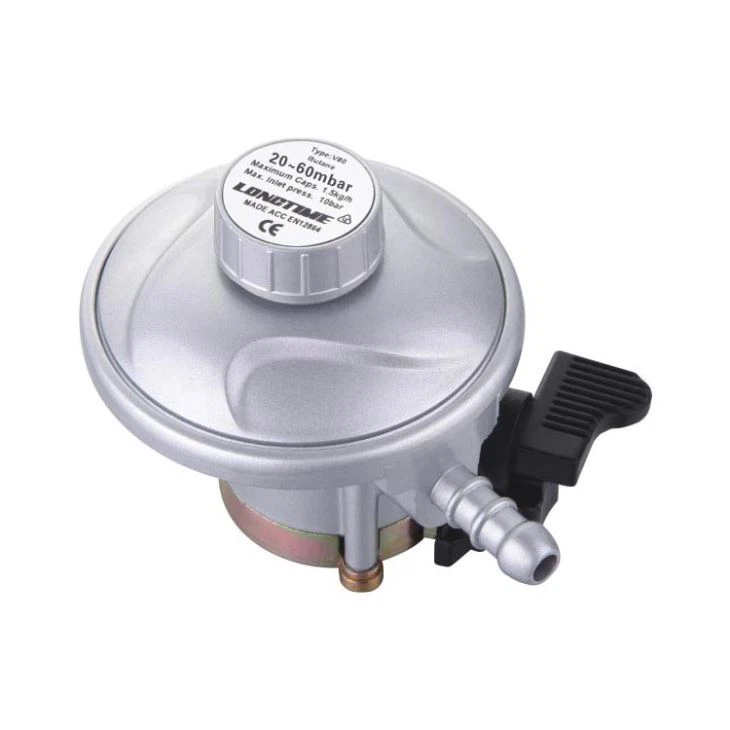
Before delving into the compatibility with outdoor grills, it's essential to understand what an LP gas tank regulator is and how it functions. An LP Gas Tank Regulator is a crucial component in any LP gas system. Its primary function is to control the flow and pressure of the liquefied petroleum (LP) gas from the tank to the appliance. LP gas is typically stored in tanks under high pressure, and the regulator reduces this pressure to a safe and usable level for the connected device.
LP gas tank regulators come in various types and designs, each tailored to specific applications and requirements. Some regulators are designed for high-pressure applications, while others are intended for low-pressure systems. The choice of regulator depends on factors such as the type of LP gas (propane or butane), the size of the tank, and the specific requirements of the appliance.
Compatibility with Outdoor Grills
The short answer is yes, an LP gas tank regulator can be used for outdoor grills. In fact, most outdoor grills are designed to operate with LP gas, and a regulator is an essential part of the setup. The regulator ensures that the grill receives a consistent and safe supply of gas, preventing issues such as uneven heating, flare-ups, or gas leaks.
When selecting a regulator for an outdoor grill, it's important to consider the following factors:
Pressure Rating
Outdoor grills typically require a low-pressure regulator, as they are designed to operate at a specific pressure range. Most residential outdoor grills require a regulator with a pressure rating of around 11 inches of water column (WC). This ensures that the grill receives the correct amount of gas to produce the desired heat output.
Flow Capacity
The flow capacity of the regulator is another important consideration. It refers to the amount of gas that the regulator can deliver per unit of time. The flow capacity of the regulator should match the requirements of the grill. A regulator with a low flow capacity may not be able to supply enough gas to the grill, resulting in poor performance. On the other hand, a regulator with a high flow capacity may be overkill and could potentially cause safety issues.
Type of Connection
The type of connection between the regulator and the grill is also crucial. Most outdoor grills use a standard quick-connect fitting, which allows for easy and secure attachment of the regulator. Make sure that the regulator you choose has the appropriate connection type for your grill.
Benefits of Using an LP Gas Tank Regulator for Outdoor Grills
Using an LP gas tank regulator for outdoor grills offers several benefits:
Safety
A regulator helps to ensure the safety of the grill by controlling the flow and pressure of the gas. It prevents over-pressurization, which can lead to gas leaks, flare-ups, or even explosions. By maintaining a consistent and safe supply of gas, the regulator reduces the risk of accidents and injuries.
Performance
A properly functioning regulator ensures that the grill receives a consistent supply of gas, resulting in even heating and better performance. This allows you to cook your food more evenly and efficiently, reducing the risk of undercooked or overcooked food.
Convenience
Using an LP gas tank regulator makes it easy to connect and disconnect the grill from the gas tank. The quick-connect fitting allows for a hassle-free setup and takedown, making it convenient for outdoor use.
Other Considerations
In addition to the factors mentioned above, there are a few other considerations when using an LP gas tank regulator for outdoor grills:
Maintenance
Regular maintenance of the regulator is essential to ensure its proper functioning. This includes checking for leaks, cleaning the regulator, and replacing any worn or damaged parts. It's also important to follow the manufacturer's instructions for maintenance and storage.
Environment
Outdoor grills are often used in outdoor environments, which can expose the regulator to various elements such as rain, snow, and sunlight. To protect the regulator from damage, it's recommended to use a protective cover when the grill is not in use. Additionally, make sure to store the regulator in a dry and cool place when not in use.
Compatibility with Other Appliances
If you plan to use the same LP gas tank for other appliances, such as a patio heater or a gas fire pit, make sure that the regulator is compatible with all the appliances. Some regulators may be designed for specific applications and may not be suitable for use with other devices.
Our Range of Regulators
As a supplier of LP Gas Tank Regulators, we offer a wide range of products to meet the needs of our customers. Our LPG Pressure Regulator is designed for use with both propane and butane gas, and it is suitable for a variety of applications, including outdoor grills. It has a pressure rating of 11 inches of WC and a flow capacity that is suitable for most residential outdoor grills.
We also offer a CE Approved Butane Gas Regulator, which is specifically designed for use with butane gas. This regulator is CE approved, ensuring its safety and quality. It has a pressure rating of 28 mbar and a flow capacity that is suitable for a range of butane-powered appliances, including outdoor grills.

Conclusion
In conclusion, an LP gas tank regulator can be used for outdoor grills, and it is an essential part of the setup. By choosing the right regulator and following the proper installation and maintenance procedures, you can ensure that your outdoor grill operates safely and efficiently.
If you have any questions or need assistance in selecting the right regulator for your outdoor grill, please don't hesitate to contact us. Our team of experts is available to provide you with the information and support you need. We are committed to providing high-quality products and excellent customer service, and we look forward to helping you with your LP gas regulator needs.
References
- "LP Gas Tank Regulators: A Comprehensive Guide." Propane 101, [Website URL].
- "How to Choose the Right Regulator for Your Outdoor Grill." Grill Guides, [Website URL].
- "Safety Tips for Using LP Gas Outdoor Grills." National Fire Protection Association, [Website URL].


