


Hey there! If you're dealing with a faulty gas regulator, you're in the right place. I'm from a gas regulator supplier, and I'm here to walk you through the process of replacing it. A gas regulator is a crucial component in any gas system. It controls the pressure of the gas flowing from the source, like a gas tank, to your appliances. When it goes bad, it can cause all sorts of problems, from uneven gas flow to potential safety hazards. So, let's get started on how to replace it.
Step 1: Safety First
Before you even think about touching the gas regulator, safety should be your top priority. First off, turn off the gas supply. This is usually done by closing the valve on the gas tank. It's like turning off the tap to stop the water flow. You don't want any gas leaking while you're working on the regulator.
Next, make sure you're working in a well - ventilated area. Gas can be dangerous if it builds up in an enclosed space. Open windows and doors if you're indoors, or do the work outside if possible. Also, wear safety gear like gloves and safety glasses. Gloves will protect your hands from sharp edges or any chemicals that might be on the regulator, and safety glasses will keep your eyes safe from any debris.
Step 2: Identify the Faulty Regulator
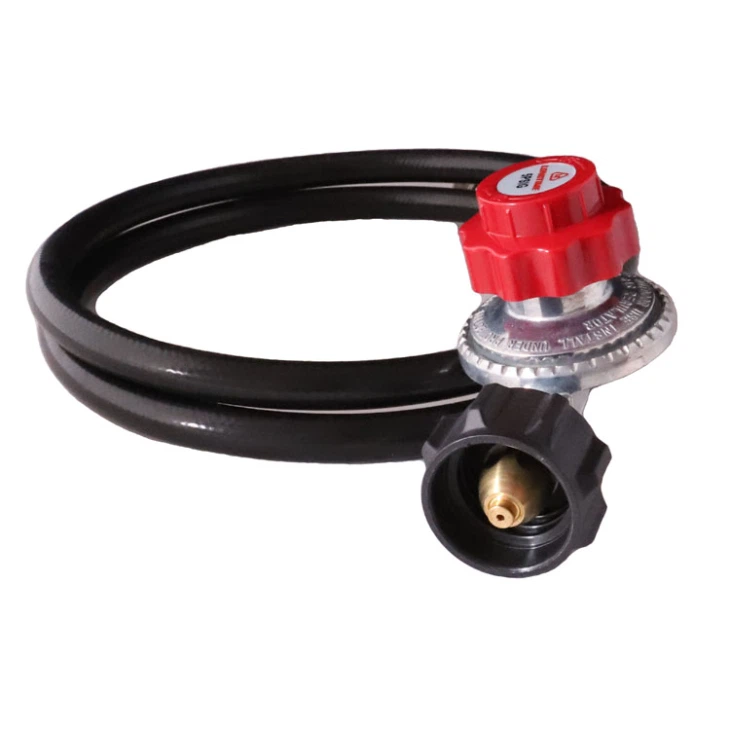
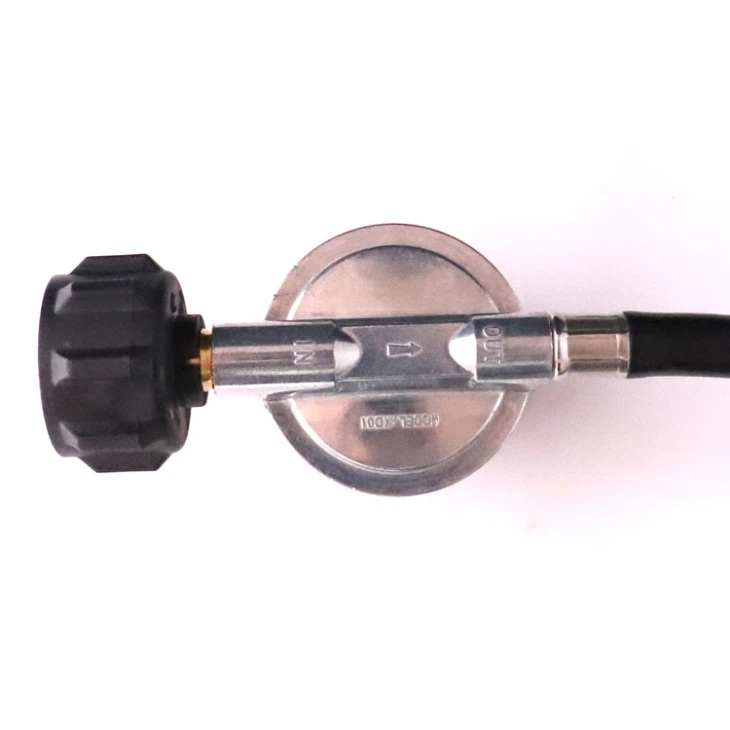
Now that you're safe, it's time to figure out which regulator is the problem. There are different types of gas regulators, like the Bullnose And Swivel Regulator, Gas Tank Regulator, and 30 PSI Propane Regulator. You need to know which one you have so you can get the right replacement.
Look for signs of damage on the regulator. This could be cracks, leaks, or corrosion. A leak can often be detected by a hissing sound or the smell of gas. If you suspect a leak, don't use a flame to check it. Instead, you can use a soapy water solution. Apply it to the connections and look for bubbles. If you see bubbles, that means there's a leak.
Step 3: Gather Your Tools
Once you've identified the faulty regulator, you'll need to gather the right tools for the job. You'll typically need a wrench. The size of the wrench depends on the fittings of your regulator. A pair of pliers can also come in handy for holding small parts or making adjustments.
It's also a good idea to have some Teflon tape. This tape is used to seal the threads of the fittings and prevent gas leaks. You can find it at any hardware store. And don't forget to have the replacement regulator ready. Make sure it's the right type and size for your gas system.
Step 4: Remove the Old Regulator
Now, it's time to remove the old regulator. Use the wrench to loosen the fittings that connect the regulator to the gas tank and the gas line. Turn the wrench counter - clockwise to loosen the nuts. Be careful not to apply too much force, as you don't want to damage the fittings.
Once the fittings are loose, gently pull the regulator away from the gas tank and the gas line. You might need to use the pliers to hold the fittings in place while you're pulling. If there's any resistance, double - check that all the fittings are fully loosened.
Step 5: Prepare the New Regulator
Before you install the new regulator, you need to prepare it. Start by wrapping the Teflon tape around the threads of the fittings on the new regulator. Wrap the tape in a clockwise direction. This helps to create a tight seal when you connect the regulator.
Make sure to wrap the tape evenly and tightly. You don't want any gaps in the tape, as this could lead to gas leaks. Usually, 3 - 4 wraps of the tape are enough, but you can adjust it depending on the size of the fittings.
Step 6: Install the New Regulator
Now, it's time to install the new regulator. Align the fittings of the new regulator with the fittings on the gas tank and the gas line. Carefully push the regulator into place and start tightening the nuts with the wrench. Turn the wrench clockwise to tighten the nuts.
Make sure the regulator is firmly in place, but don't over - tighten the nuts. Over - tightening can damage the fittings and cause leaks. Once the nuts are snug, give them a final quarter - turn to make sure they're secure.
Step 7: Check for Leaks
After installing the new regulator, you need to check for leaks again. Just like before, you can use the soapy water solution. Apply it to all the connections, including the fittings on the gas tank, the regulator, and the gas line.
If you see bubbles forming, that means there's a leak. In this case, you'll need to loosen the fitting slightly, add more Teflon tape if necessary, and then retighten it. Keep checking until there are no more bubbles.
Step 8: Test the System
Once you're sure there are no leaks, it's time to test the gas system. Slowly turn on the gas supply by opening the valve on the gas tank. Listen for any unusual sounds and check for the smell of gas.
Then, turn on your gas appliances one by one and make sure they're working properly. If the appliances don't work or if there are still problems with the gas flow, you might need to double - check the installation or consult a professional.
Why Choose Our Gas Regulators?
As a gas regulator supplier, we offer high - quality regulators that are reliable and safe. Our regulators are made from top - notch materials and are designed to meet the highest industry standards. We have a wide range of regulators, including the Bullnose And Swivel Regulator, Gas Tank Regulator, and 30 PSI Propane Regulator.
If you're looking for a replacement regulator or want to stock up on regulators for your business, we're here to help. Our team of experts can assist you in choosing the right regulator for your needs. Whether you're a homeowner or a professional in the gas industry, we have the products and knowledge to support you.
Contact Us for Procurement
If you're interested in purchasing our gas regulators, we'd love to hear from you. We can provide you with detailed product information, pricing, and delivery options. Just reach out to us, and our sales team will be happy to assist you with your procurement needs.
References
- "Gas Regulator Installation and Maintenance Guide" - A general guide from a leading gas equipment manufacturer.
- "Safety Standards for Gas Systems" - Published by a national safety organization.
- "How to Troubleshoot Gas Regulators" - An article from a popular home improvement magazine.


