


Hey there! As a supplier of LPG regulators with meters, I often get asked how to determine if an LPG regulator with a meter can handle your LPG demand. It's a crucial question, especially when you're relying on LPG for various applications, whether it's for your home, business, or industrial use. In this blog post, I'll break down the key factors you need to consider to make an informed decision.
Understanding Your LPG Demand
First things first, you need to have a clear idea of your LPG demand. This involves looking at two main aspects: the volume of LPG you use and the rate at which you use it.
Volume of LPG Usage
The volume of LPG you use is essentially how much gas you consume over a specific period. For residential users, this could be measured in liters or kilograms per month. For example, if you use LPG for cooking, heating, and hot water, you'll need to calculate how much gas each appliance uses and then add them up.
Commercial and industrial users might have much higher volumes of LPG usage. A restaurant, for instance, could use a large amount of LPG for cooking multiple dishes throughout the day. In this case, you might need to measure the usage in cubic meters or tons over a week or a month.
Rate of LPG Usage
The rate of LPG usage refers to how quickly you consume the gas. This is usually measured in liters per hour or cubic meters per hour. Appliances like high - powered industrial burners or large - scale heating systems will have a high rate of LPG usage. On the other hand, a small camping stove will have a relatively low rate of usage.
Key Features of an LPG Regulator with Meter
Now that you understand your LPG demand, let's look at the key features of an LPG regulator with a meter that can help you determine if it can handle your needs.
Flow Rate Capacity
The flow rate capacity of an LPG regulator with a meter is one of the most important factors. It indicates how much LPG the regulator can deliver per unit of time. For example, if your appliances have a combined rate of LPG usage of 5 liters per hour, you'll need a regulator with a flow rate capacity of at least 5 liters per hour. It's often a good idea to choose a regulator with a slightly higher flow rate capacity than your current demand to account for any future increases or peak usage periods.
Pressure Regulation
Proper pressure regulation is essential for the safe and efficient operation of your LPG appliances. An LPG regulator with a meter should be able to maintain a consistent pressure within the acceptable range for your appliances. Different appliances require different pressure levels. For example, a typical domestic gas stove might require a pressure of around 28 - 30 mbar, while an industrial burner might need a higher pressure. Make sure the regulator you choose can provide the appropriate pressure for your specific appliances.
Meter Accuracy
The meter on the LPG regulator is there to help you monitor your LPG usage. It should be accurate so that you can keep track of how much gas you're using and plan your refills accordingly. A reliable meter will give you an accurate reading of the volume or mass of LPG that has passed through the regulator.
Compatibility with Your LPG System
In addition to the features of the regulator itself, you also need to consider its compatibility with your existing LPG system.
Connection Type
The regulator needs to have the right connection type to fit your LPG tank and appliances. There are different types of connections, such as threaded connections, bayonet connections, etc. Make sure the regulator you choose has the same connection type as your tank and appliances to ensure a proper and secure fit.
Gas Type
LPG can be a mixture of propane and butane, and different appliances may be designed to work with a specific type of LPG. Some regulators are designed specifically for propane, while others can handle a mixture of propane and butane. Make sure the regulator you choose is compatible with the type of LPG you're using.
Examples of Suitable Regulators
Let's take a look at some examples of regulators that might be suitable for different LPG demands.
If you're a residential user with a relatively low LPG demand, a Gas Regulator with Indicator could be a great choice. It's designed to provide accurate pressure regulation and has a meter to help you monitor your usage.
For commercial users with a moderate LPG demand, a Gas Tank Regulator might be more appropriate. It usually has a higher flow rate capacity and can handle the demands of multiple appliances in a commercial setting.
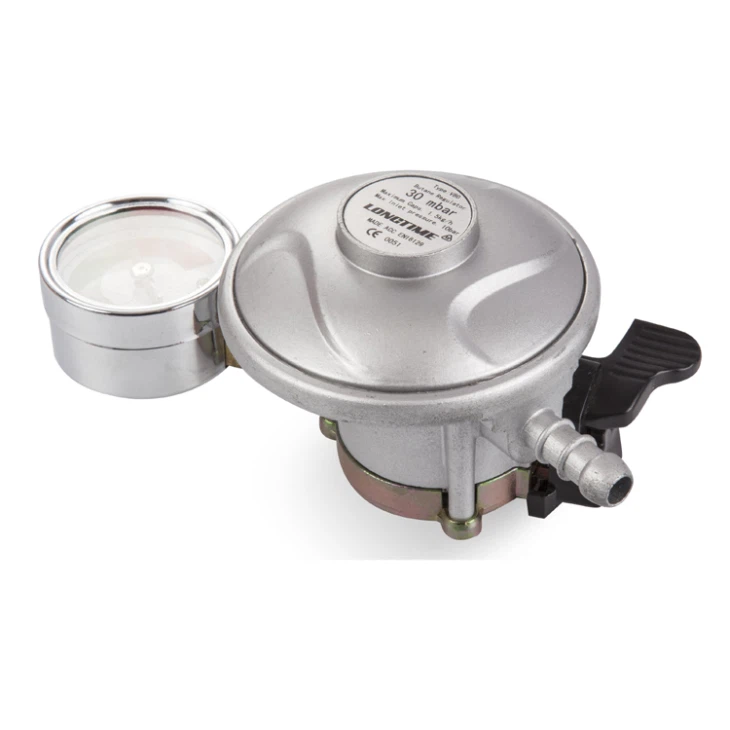

Industrial users with high - volume and high - rate LPG usage might need a Low Pressure Butane Regulator. These regulators are designed to handle large amounts of gas and provide stable pressure regulation for industrial - grade appliances.
Making the Decision
When you're trying to determine if an LPG regulator with a meter can handle your LPG demand, it's important to do your research. Look at the specifications of the regulator, compare them with your LPG demand, and consider the compatibility with your existing system.
If you're still not sure which regulator is right for you, don't hesitate to reach out. As a supplier, I have the expertise and experience to help you choose the best LPG regulator with a meter for your specific needs. Whether you're a homeowner, a business owner, or an industrial operator, I can provide you with the information and support you need to make an informed decision.
In conclusion, determining if an LPG regulator with a meter can handle your LPG demand involves understanding your usage, looking at the features of the regulator, and considering its compatibility with your system. By taking these factors into account, you can ensure that you choose a regulator that will meet your needs safely and efficiently.
If you're interested in purchasing an LPG regulator with a meter or have any questions about our products, feel free to contact me for a detailed discussion. I'm here to help you find the perfect solution for your LPG needs.
References
- "LPG Handbook" - A comprehensive guide on LPG usage and equipment.
- Manufacturer's specifications of LPG regulators and meters.


