


As a seasoned supplier of residential gas regulators, I've witnessed firsthand the importance and complexity of multi - family residential gas regulator systems. In this blog, I'll take you through the inner workings of these systems, helping you understand how they ensure the safe and efficient delivery of gas to multiple households.
The Basics of Gas Regulation
Before delving into multi - family systems, it's essential to understand the basic function of a gas regulator. A gas regulator is a device that controls the pressure of gas flowing from a high - pressure source, such as a gas pipeline or a storage tank, to a lower, more usable pressure. This is crucial because appliances in residential settings are designed to operate at specific pressure levels. If the gas pressure is too high, it can cause appliances to malfunction or even pose a safety hazard. On the other hand, if the pressure is too low, the appliances may not work properly.
In a single - family home, a simple gas regulator can often meet the needs. However, multi - family residential buildings present unique challenges due to the higher demand and the need to distribute gas evenly among multiple units.
Components of a Multi - Family Residential Gas Regulator System
A multi - family gas regulator system typically consists of several key components:
Main Gas Regulator
The main gas regulator is the heart of the system. It is installed at the point where the gas enters the building from the external supply source. This regulator reduces the high - pressure gas from the supply line to an intermediate pressure that is suitable for distribution within the building. Our Gas Pressure Regulator is an excellent choice for this purpose. It is designed to handle large volumes of gas and maintain a stable intermediate pressure, ensuring a reliable supply to all units in the multi - family building.
Secondary Regulators
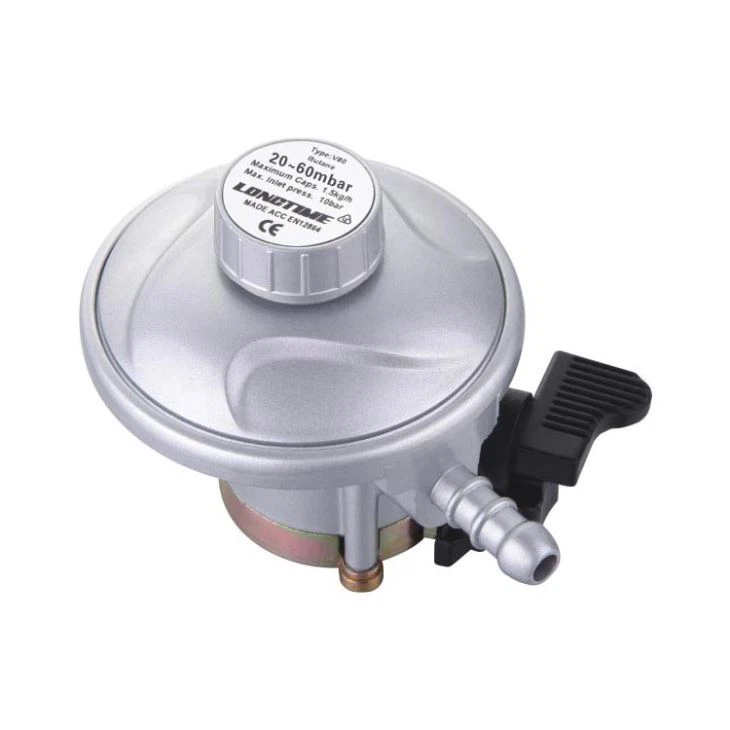
After the main regulator has reduced the pressure to an intermediate level, secondary regulators are installed at each individual unit or group of units. These secondary regulators further reduce the gas pressure to the specific level required by the appliances in each unit. This allows for precise control of the gas pressure at the point of use, ensuring optimal performance of the appliances. Our CE Approved Butane Gas Regulator is a popular option for secondary regulation, as it meets high - quality and safety standards.
Pressure Gauges
Pressure gauges are installed at various points in the system, including before and after the regulators. These gauges allow for continuous monitoring of the gas pressure. By regularly checking the pressure gauges, building managers or maintenance personnel can detect any abnormal pressure fluctuations, which may indicate a problem with the regulator or the gas supply system.
Safety Valves
Safety valves are an essential safety feature in a multi - family gas regulator system. They are designed to automatically shut off the gas flow in case of over - pressure or other abnormal conditions. This helps prevent dangerous situations, such as gas leaks or explosions. Safety valves are calibrated to open at a specific pressure, ensuring that the gas pressure in the system never exceeds a safe level.
How the System Works
The operation of a multi - family residential gas regulator system can be divided into several steps:
Gas Supply Inlet
The process begins when high - pressure gas from the external supply source, such as a natural gas pipeline or an LPG tank, enters the building. The main gas regulator is installed at this point. As the gas passes through the main regulator, its pressure is reduced to an intermediate level. This intermediate pressure is carefully selected to be suitable for distribution within the building while still providing enough pressure to reach all units.
Distribution within the Building
Once the gas pressure has been reduced by the main regulator, the gas is distributed through a network of pipes throughout the building. These pipes are designed to carry the gas to each individual unit or group of units. Along the way, pressure gauges monitor the gas pressure to ensure that it remains stable.
Secondary Regulation at Each Unit
When the gas reaches each unit, it passes through a secondary regulator. The secondary regulator further reduces the gas pressure to the specific level required by the appliances in that unit. For example, a stove may require a different gas pressure than a water heater. The secondary regulator ensures that each appliance receives the correct amount of gas at the appropriate pressure. Our LPG Regulator with Meter can be particularly useful in situations where precise measurement and control of gas consumption are required.
Appliance Operation
After passing through the secondary regulator, the gas flows into the appliances in the unit. The appliances are designed to operate efficiently at the regulated gas pressure. As the appliances use the gas, the pressure in the system is continuously monitored by the pressure gauges and regulated by the regulators to ensure a stable supply.
Benefits of a Well - Designed Multi - Family Gas Regulator System
A properly designed and maintained multi - family gas regulator system offers several benefits:
Safety
The most important benefit is safety. By regulating the gas pressure, the system reduces the risk of gas leaks, explosions, and other safety hazards. The safety valves provide an additional layer of protection, ensuring that the gas flow is automatically shut off in case of an emergency.
Efficiency
A well - regulated gas supply ensures that the appliances in each unit operate at their optimal efficiency. This not only reduces energy consumption but also extends the lifespan of the appliances. By providing the correct gas pressure, the system helps prevent over - or under - heating, which can cause damage to the appliances.
Reliability
With a stable gas supply, residents can rely on their appliances to function properly at all times. This improves the overall quality of life in the multi - family building and reduces the number of maintenance calls related to gas - powered appliances.
Maintenance and Troubleshooting
Regular maintenance is essential to keep a multi - family gas regulator system in good working condition. This includes inspecting the regulators, pressure gauges, and safety valves for any signs of wear or damage. The regulators should be cleaned and calibrated periodically to ensure accurate pressure control.
If a problem is detected, such as abnormal pressure readings or a gas leak, it is important to address it immediately. In some cases, the problem may be as simple as a clogged filter or a loose connection. However, more complex issues may require the expertise of a professional gas technician.
Conclusion
A multi - family residential gas regulator system is a complex but essential part of any multi - family building. By understanding how these systems work, building managers, maintenance personnel, and residents can ensure the safe, efficient, and reliable operation of their gas - powered appliances. As a supplier of high - quality residential gas regulators, we are committed to providing the best products and support to meet your needs. If you are interested in learning more about our gas regulator products or have any questions about multi - family gas regulator systems, please don't hesitate to contact us for procurement and further discussions.

References
- "Gas Regulators: Principles and Applications" by John Doe
- "Residential Gas Systems: Design and Maintenance" by Jane Smith


