


As a trusted LPG Pressure Regulator supplier, I understand the frustrations that come with low pressure output from an LPG pressure regulator. A well - functioning regulator is crucial for the safe and efficient operation of LPG systems, whether it's for industrial, commercial, or residential use. In this blog, I'll share some practical steps to fix low pressure output issues, drawing on my years of experience in the industry.
Understanding the Basics of an LPG Pressure Regulator
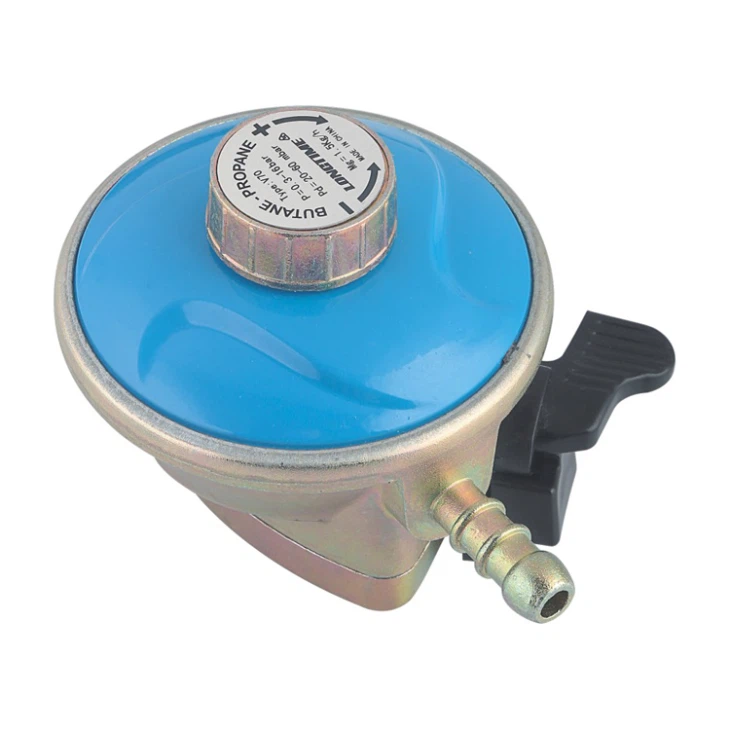
Before we dive into the solutions, it's important to understand how an LPG pressure regulator works. An LPG pressure regulator is designed to reduce the high pressure of LPG from the storage tank to a lower, more usable pressure for appliances. It consists of several key components, including a diaphragm, a spring, and a valve. The diaphragm senses the downstream pressure and adjusts the valve opening accordingly to maintain a constant pressure.
Common Causes of Low Pressure Output
There are several reasons why an LPG pressure regulator might produce low pressure output. Here are some of the most common ones:
1. Blockages
Over time, debris, dirt, or rust can accumulate inside the regulator, blocking the flow of gas. This can restrict the amount of gas passing through the regulator, resulting in low pressure output. For example, if the regulator is installed in a dusty environment or if the LPG tank has not been properly maintained, blockages are more likely to occur.
2. Diaphragm Damage
The diaphragm is a critical component of the regulator. If it gets damaged, it may not be able to sense the downstream pressure accurately, leading to improper valve adjustment and low pressure output. Diaphragm damage can be caused by factors such as age, excessive pressure, or chemical exposure.
3. Spring Issues
The spring in the regulator helps to control the valve opening. If the spring is weak or broken, it may not be able to provide enough force to keep the valve open to the correct degree, resulting in low pressure. This can happen due to normal wear and tear or if the regulator has been exposed to extreme temperatures.
4. Incorrect Installation
If the regulator is not installed correctly, it can cause low pressure problems. For instance, if the inlet or outlet connections are loose, there may be gas leaks, which can reduce the pressure. Also, incorrect orientation of the regulator can affect its performance.
Step - by - Step Guide to Fix Low Pressure Output
Step 1: Safety First
Before you start any work on the LPG pressure regulator, make sure to turn off the gas supply from the tank. This is crucial to prevent any gas leaks or potential explosions. Also, ensure that the area is well - ventilated to avoid the accumulation of gas fumes.
Step 2: Inspect for Blockages
The first thing you should do is to check for blockages. Remove the regulator from the system carefully. If you have a Gas Pressure Regulator, it may have specific access points for inspection. Use a soft brush or compressed air to clean any visible debris from the inlet, outlet, and internal passages of the regulator. Be gentle to avoid damaging any components.
Step 3: Check the Diaphragm
Inspect the diaphragm for any signs of damage, such as tears, holes, or cracks. If you find any damage, the diaphragm will need to be replaced. You can usually purchase a replacement diaphragm from the manufacturer or a reputable supplier. Make sure to follow the manufacturer's instructions when replacing the diaphragm.
Step 4: Examine the Spring
Check the spring for any signs of weakness or breakage. You can do this by gently squeezing the spring and observing its response. If the spring seems too loose or if it has broken coils, it should be replaced. Similar to the diaphragm, replacement springs can be obtained from the appropriate sources.
Step 5: Verify Installation
Double - check the installation of the regulator. Ensure that all connections are tight and secure. Check the orientation of the regulator to make sure it is installed according to the manufacturer's specifications. If you are using a Snap On Butane Regulator, make sure the snap - on mechanism is properly engaged.
Step 6: Test the Regulator
After completing the above steps, reinstall the regulator and turn on the gas supply. Use a pressure gauge to test the output pressure. Compare the measured pressure with the recommended pressure for your specific application. If the pressure is still low, you may need to repeat the inspection and repair process or consult a professional technician.
When to Seek Professional Help
If you are not confident in your ability to troubleshoot and fix the low pressure output issue, or if you have followed all the steps above and the problem persists, it's advisable to seek professional help. A professional technician has the expertise and specialized tools to diagnose and repair complex regulator problems. They can also ensure that the regulator is repaired in compliance with safety standards.
Preventive Maintenance
To avoid low pressure output issues in the future, regular preventive maintenance is essential. Here are some tips:

- Regular Cleaning: Clean the regulator periodically to remove any dirt or debris. This can help prevent blockages.
- Inspection: Conduct regular inspections of the regulator for signs of wear and tear, such as damage to the diaphragm or spring.
- Proper Storage: If the regulator is not in use, store it in a clean, dry place to prevent corrosion.
Contact for Quality LPG Pressure Regulators
If you are in the market for a new LPG pressure regulator or need replacement parts, we are here to help. As a leading supplier of LPG pressure regulators, we offer a wide range of high - quality products, including Low Pressure LP Regulator. Our regulators are designed to meet the highest industry standards and provide reliable performance.
Whether you are a large industrial enterprise or a small - scale user, we can provide you with the right solution for your needs. Contact us today to discuss your requirements and start a purchase negotiation. We look forward to serving you and helping you keep your LPG systems running smoothly.
References
- Industry standards and guidelines for LPG pressure regulators
- Manufacturer's manuals for various LPG pressure regulator models
- Technical literature on gas flow and pressure control in LPG systems


