


Replacing a gas tank regulator in a vehicle is a task that, while it may seem daunting at first, can be accomplished with the right knowledge and tools. As a gas tank regulator supplier, I've seen firsthand the importance of having a properly functioning regulator in a vehicle. In this blog post, I'll guide you through the process of replacing a gas tank regulator, ensuring that your vehicle runs smoothly and safely.
Understanding the Gas Tank Regulator
Before we dive into the replacement process, it's essential to understand what a gas tank regulator does. A gas tank regulator is a crucial component in a vehicle's fuel system. Its primary function is to control the pressure of the gas flowing from the tank to the engine. By maintaining a consistent pressure, the regulator ensures that the engine receives the right amount of fuel, which is essential for optimal performance.
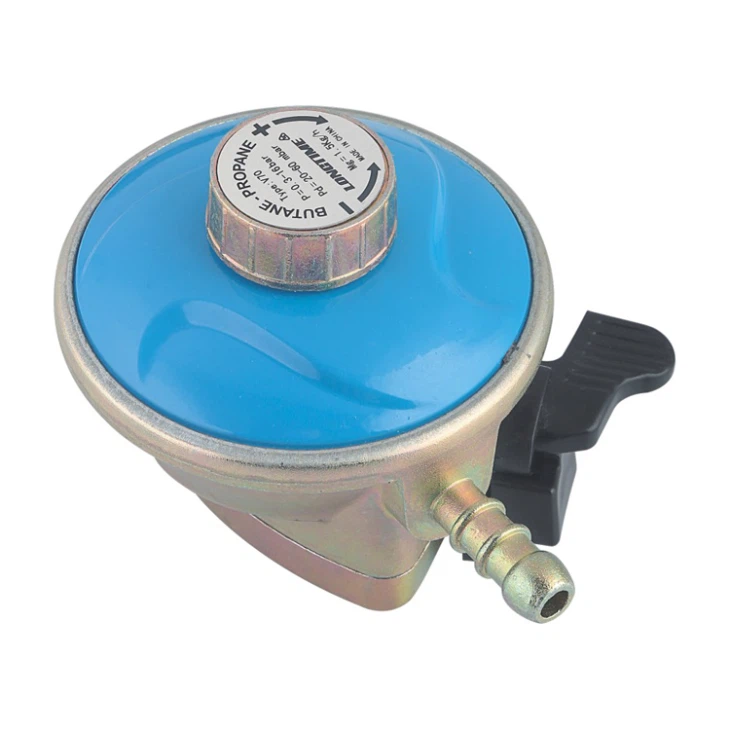
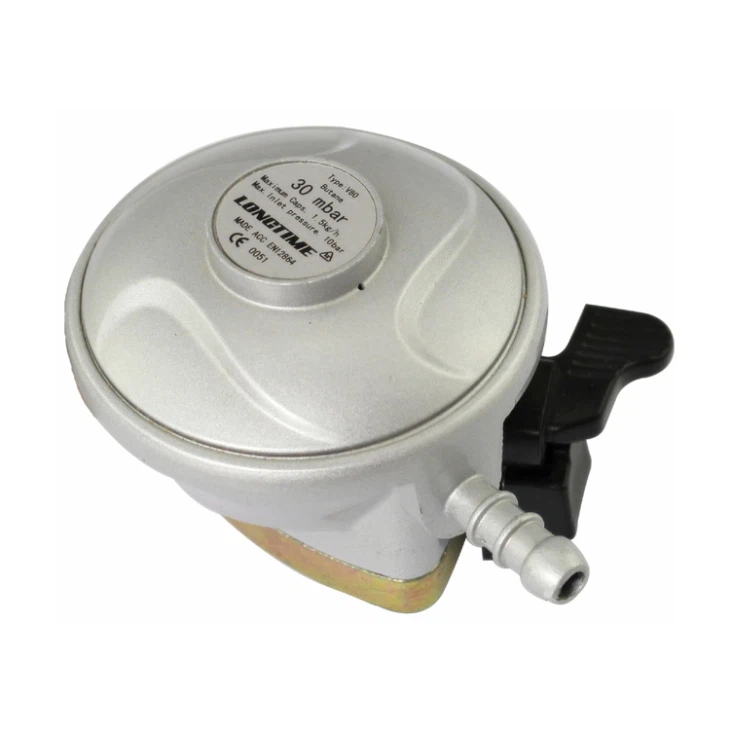
There are different types of gas tank regulators available in the market, each designed for specific types of gases and vehicles. For example, the Click On Gas Regulator For LPG is specifically designed for liquefied petroleum gas (LPG) vehicles, while the Snap On Butane Regulator is suitable for butane-powered vehicles. The Gas Pressure Regulator is a more general type of regulator that can be used in various gas-powered vehicles.
Signs That Your Gas Tank Regulator Needs Replacement
Knowing when to replace your gas tank regulator is crucial. Here are some signs that indicate your regulator may need to be replaced:
- Poor Fuel Efficiency: If you notice a sudden decrease in your vehicle's fuel efficiency, it could be a sign that the regulator is not functioning properly. A faulty regulator may cause the engine to receive too much or too little fuel, leading to increased fuel consumption.
- Engine Misfires: Engine misfires occur when the engine fails to ignite the fuel-air mixture correctly. A malfunctioning regulator can disrupt the fuel flow, causing the engine to misfire.
- Gas Leaks: A visible gas leak around the regulator is a clear sign that it needs to be replaced. Gas leaks are not only a safety hazard but can also lead to poor engine performance.
- Unusual Noises: Strange noises coming from the fuel system, such as hissing or popping sounds, may indicate a problem with the regulator.
Tools and Materials You'll Need
Before you start the replacement process, gather the following tools and materials:
- Wrenches: You'll need a set of wrenches to remove and install the regulator. Make sure you have the right size wrenches for your vehicle.
- Safety Glasses and Gloves: Gas is flammable and can be harmful if it comes into contact with your skin or eyes. Wear safety glasses and gloves to protect yourself.
- New Gas Tank Regulator: Purchase a new regulator that is compatible with your vehicle's make and model. As a gas tank regulator supplier, I can provide you with high-quality regulators that meet your vehicle's specifications.
- Sealant: You may need a sealant to ensure a proper seal between the regulator and the fuel lines.
Step-by-Step Guide to Replacing a Gas Tank Regulator
Now that you have all the necessary tools and materials, let's walk through the process of replacing a gas tank regulator:
- Safety First: Park your vehicle in a well-ventilated area away from any sources of ignition. Turn off the engine and allow it to cool down. Disconnect the battery to prevent any electrical sparks.
- Locate the Regulator: The gas tank regulator is typically located near the gas tank or along the fuel lines. Refer to your vehicle's owner's manual to find the exact location of the regulator.
- Relieve the Fuel Pressure: Before you start working on the regulator, you need to relieve the fuel pressure in the system. Locate the fuel pump relay or fuse in your vehicle's fuse box and remove it. Start the engine and let it run until it stalls. This will relieve the pressure in the fuel lines.
- Disconnect the Fuel Lines: Use a wrench to loosen the nuts or bolts that connect the fuel lines to the regulator. Be careful not to damage the fuel lines. Once the nuts or bolts are loose, gently pull the fuel lines away from the regulator.
- Remove the Regulator: Use a wrench to remove the mounting bolts that hold the regulator in place. Carefully lift the regulator out of its mounting bracket.
- Install the New Regulator: Place the new regulator in the mounting bracket and secure it with the mounting bolts. Make sure the regulator is properly aligned and tightened.
- Reconnect the Fuel Lines: Apply a small amount of sealant to the ends of the fuel lines. Connect the fuel lines to the new regulator and tighten the nuts or bolts.
- Reconnect the Battery: Reconnect the battery to restore power to the vehicle.
- Test the System: Turn on the ignition and check for any gas leaks. Start the engine and let it run for a few minutes to ensure that the regulator is functioning properly.
Tips and Precautions
- Follow the Manufacturer's Instructions: Always refer to your vehicle's owner's manual and the manufacturer's instructions when replacing the gas tank regulator. This will ensure that you follow the correct procedure and avoid any potential problems.
- Inspect the Fuel Lines: While you're replacing the regulator, take the opportunity to inspect the fuel lines for any signs of damage or wear. Replace any damaged fuel lines to prevent future problems.
- Dispose of the Old Regulator Properly: The old regulator may contain hazardous materials. Dispose of it according to your local regulations.
Conclusion
Replacing a gas tank regulator in a vehicle is a task that can be accomplished with the right knowledge and tools. By following the steps outlined in this blog post, you can ensure that your vehicle's fuel system is functioning properly and safely. As a gas tank regulator supplier, I'm committed to providing high-quality regulators and excellent customer service. If you have any questions or need assistance with replacing your gas tank regulator, please don't hesitate to contact me. I'm here to help you with all your gas tank regulator needs. Whether you're a professional mechanic or a DIY enthusiast, I can provide you with the guidance and support you need to complete the replacement process successfully. Contact me today to discuss your requirements and start the procurement process.
References
- Vehicle Owner's Manual
- Manufacturer's Instructions for Gas Tank Regulator


