


As a supplier of natural gas regulators, I've gotten a lot of questions from customers about the installation tools needed for these devices. In this blog, I'll share with you the essential tools you'll need to install a natural gas regulator properly.
Why the Right Tools Matter
First off, let me tell you why using the right tools is so important. Installing a natural gas regulator isn't something you can just wing. Gas systems are serious business, and if the regulator isn't installed correctly, it can lead to all sorts of problems, like gas leaks, inefficient operation, or even safety hazards. So, having the right tools ensures a safe and effective installation.
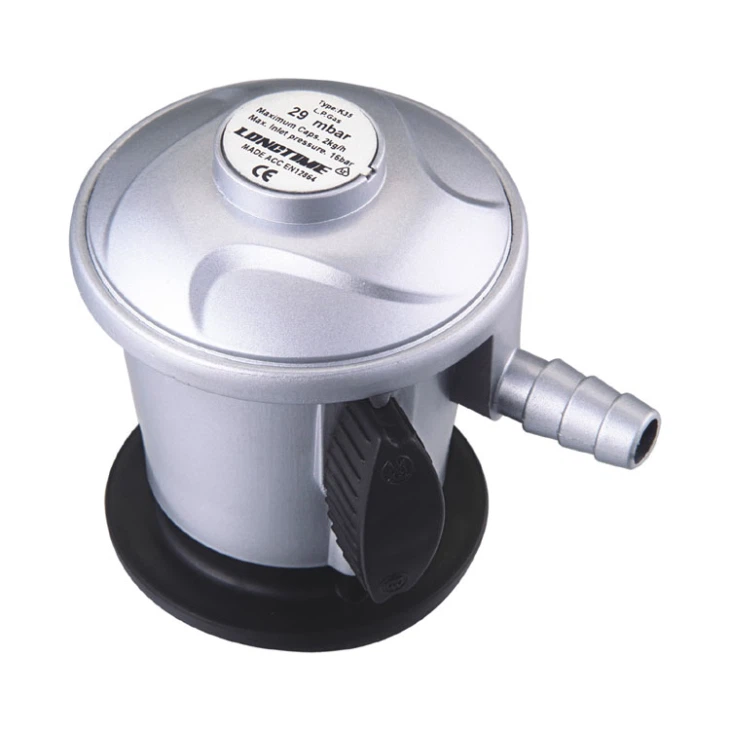

Basic Tools for Natural Gas Regulator Installation
Wrenches
Wrenches are probably the most fundamental tools you'll need. You're going to use them to tighten and loosen nuts and bolts during the installation process.
- Adjustable Wrench: This is a must - have. It's flexible, which means you can adjust it to fit different sizes of nuts and bolts. Whether you're working on the inlet or outlet connections of the regulator, an adjustable wrench will come in very handy.
- Pipe Wrench: For larger pipes, a pipe wrench is essential. The regulator is usually connected to the gas supply pipes, and a pipe wrench gives you the leverage you need to make those connections tight and secure.
Pipe Cutters
Sometimes, you may need to cut pipes to the right length to install the regulator. That's where pipe cutters come in. You can choose between manual and power pipe cutters. Manual ones are great for smaller jobs and are more portable. They work by using a sharp wheel to cut through the pipe as you rotate it around. Power pipe cutters, on the other hand, are faster and more efficient, especially for thicker pipes.
Thread Sealant and Tape
Gas leaks are a major concern, and one way to prevent them is by using thread sealant or tape. Thread sealant is a compound that you apply to the threads of the pipes before making the connections. It fills in the gaps between the threads and creates a tight seal. Teflon tape is also commonly used. You wrap it around the male threads of the pipes, and when you tighten the connections, it helps create a leak - free seal.
Adjustable Pliers
Adjustable pliers are useful for gripping and holding small parts during the installation. For example, if you need to hold a small fitting in place while you connect it to the regulator, adjustable pliers will give you a good amount of control.
Pressure Gauge
A pressure gauge is crucial to ensure that the regulator is working correctly. You can measure the pressure before and after the installation to make sure that the regulator is setting the pressure to the right level. This helps in detecting any issues early on and making the necessary adjustments.
Tool Requirements for Different Types of Natural Gas Regulators
Jumbo Low Pressure Regulator
The Jumbo Low Pressure Regulator is often used in larger - scale applications. When installing this type of regulator, you may need larger wrenches and pipe cutters due to the bigger size of the pipes it's connected to. Make sure your pressure gauge can handle the expected pressure range for accurate readings.
Adjustable Low Pressure LP Gas Regulator
The Adjustable Low Pressure LP Gas Regulator gives you more control over the pressure output. For installing this regulator, precision is key. You'll need smaller, more precise wrenches and pliers to make the fine adjustments required for proper operation. The pressure gauge is also important here as you'll need to make sure the adjustable settings are correct.
Commercial Gas Regulator
Commercial settings often have higher - demand gas systems, which means the Commercial Gas Regulator is built to handle larger volumes of gas. Along with standard tools, you may also need specialized tools like hydraulic torque wrenches to ensure that the connections are tightened to the specific torque requirements. These types of regulators usually have more complex installation procedures, so having detailed instructions and the right tools is essential.
Safety Considerations When Using Tools
When you're installing a natural gas regulator, safety should always be your top priority. Here are some safety tips to keep in mind when using the tools:
- Wear Safety Gear: Always wear safety glasses to protect your eyes from flying debris when using tools like pipe cutters. Gloves can also protect your hands from sharp edges and the chemicals in the thread sealant.
- Work in a Well - Ventilated Area: Gas fumes can be dangerous, so make sure you're working in a place with good air circulation. If you smell gas during the installation, stop immediately and check for leaks.
- Follow Manufacturer Instructions: Each tool has its own set of instructions. Make sure you read and follow them carefully to avoid any accidents.
Conclusion
Installing a natural gas regulator requires the right tools and a good understanding of the installation process. Whether you're dealing with a Jumbo Low Pressure Regulator, an Adjustable Low Pressure LP Gas Regulator, or a Commercial Gas Regulator, having the proper tools will make the job easier and safer.
If you're in the market for a natural gas regulator or have any questions about installation, feel free to reach out. We're here to help you with all your gas regulator needs and can provide you with more information on the best tools for the job.
References
- Professional Plumbers' Handbook
- Guide to Gas System Installation and Maintenance


