


Proper storage of propane connectors is crucial for maintaining their functionality, ensuring safety, and extending their lifespan. As a supplier of a wide range of propane connectors, including the Propane Tank P.O.L to QCC Adapter, Propane Multi-port Connector for RV, and Propane Tank Y Splitter, I understand the importance of this topic. In this blog post, I'll share some essential tips on how to store propane connectors properly.
Understanding Propane Connectors
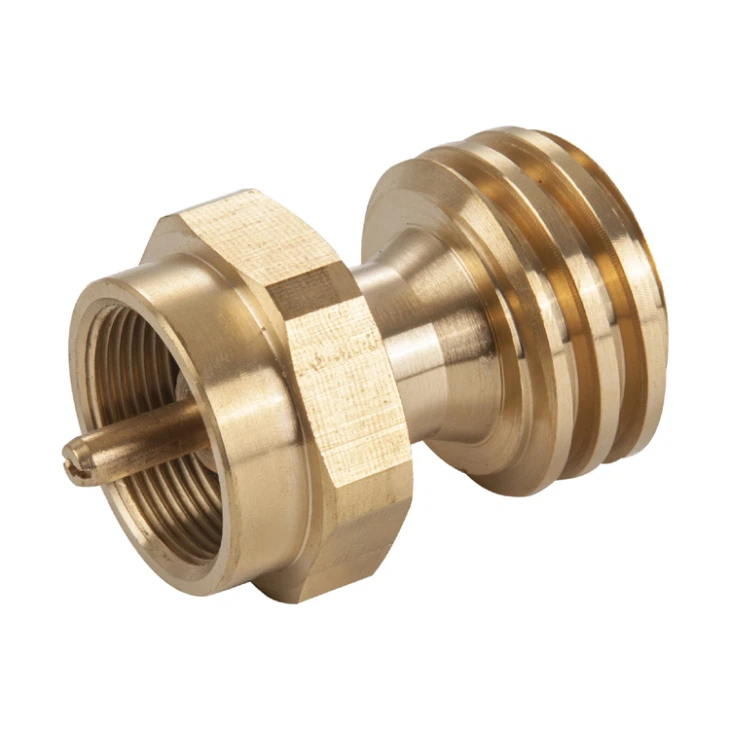
Before delving into storage methods, it's important to understand what propane connectors are and how they work. Propane connectors are devices used to connect propane tanks to appliances or other equipment that use propane as a fuel source. They come in various types and sizes, each designed for specific applications. For example, the Propane Tank P.O.L to QCC Adapter is used to convert a P.O.L (Prest-O-Lite) valve on a propane tank to a QCC (Quick Connect Coupling) valve, making it compatible with appliances that require a QCC connection. The Propane Multi-port Connector for RV allows multiple propane appliances in an RV to be connected to a single propane source, while the Propane Tank Y Splitter enables two appliances to be connected to one propane tank simultaneously.
Factors Affecting Propane Connector Storage
Several factors can affect the storage of propane connectors. These include environmental conditions, the type of connector, and the frequency of use.
Environmental Conditions
Environmental conditions such as temperature, humidity, and exposure to sunlight can have a significant impact on the condition of propane connectors. High temperatures can cause the rubber seals in the connectors to deteriorate, leading to leaks. Humidity can cause corrosion, especially on metal parts of the connectors. Exposure to sunlight can also degrade the materials used in the connectors over time.
Type of Connector
Different types of propane connectors may require different storage methods. For example, connectors with rubber seals may be more sensitive to temperature and humidity than those made of metal. Some connectors may also have specific storage requirements due to their design or the materials used in their construction.
Frequency of Use
If a propane connector is used frequently, it may need to be stored in a way that allows for easy access. On the other hand, if a connector is used less often, it can be stored more securely to protect it from damage.
Best Practices for Storing Propane Connectors
Clean the Connectors Before Storage
Before storing propane connectors, it's essential to clean them thoroughly. Use a soft cloth to wipe away any dirt, debris, or propane residue from the surface of the connectors. If there is stubborn dirt or grime, you can use a mild detergent and water solution. Make sure to dry the connectors completely before storing them to prevent corrosion.
Store in a Cool, Dry Place
As mentioned earlier, high temperatures and humidity can damage propane connectors. Therefore, it's best to store them in a cool, dry place. A storage shed, garage, or basement can be suitable locations as long as they are well-ventilated and protected from the elements. Avoid storing connectors in areas that are prone to flooding or where the temperature can fluctuate significantly.
Protect from Sunlight
Sunlight can cause the materials in propane connectors to degrade over time. To protect them, store the connectors in a place where they are not exposed to direct sunlight. You can use opaque storage containers or cover the connectors with a cloth to shield them from the sun.
Use Proper Storage Containers
Using proper storage containers can help protect propane connectors from damage. You can use plastic storage bins or cases to store the connectors. Make sure the containers are large enough to hold the connectors without squeezing them. You can also use dividers or compartments within the containers to keep the connectors organized and prevent them from rubbing against each other.
Inspect Regularly
Even when stored properly, propane connectors can still develop problems over time. It's important to inspect them regularly to check for any signs of damage, such as cracks, leaks, or corrosion. If you notice any issues, replace the connectors immediately to ensure safety.
Additional Tips for Specific Types of Propane Connectors
Propane Tank P.O.L to QCC Adapter
When storing the Propane Tank P.O.L to QCC Adapter, make sure to keep it away from sharp objects that could damage the adapter. You can store it in a small plastic bag or a dedicated storage case to protect it. Also, check the rubber seal on the adapter regularly for signs of wear or damage.

Propane Multi-port Connector for RV
The Propane Multi-port Connector for RV should be stored in a way that protects the multiple ports from dirt and debris. You can use port caps or plugs to cover the ports when the connector is not in use. This will prevent any foreign objects from entering the ports and causing blockages.
Propane Tank Y Splitter
For the Propane Tank Y Splitter, store it in a position where the valves are protected. You can store it with the valves facing down or use a storage container that provides cushioning around the valves. This will prevent the valves from being damaged or accidentally opened during storage.
Importance of Proper Storage
Proper storage of propane connectors is not only important for maintaining their functionality but also for ensuring safety. A damaged or deteriorated propane connector can lead to propane leaks, which can be extremely dangerous. Propane is a flammable gas, and a leak can result in a fire or explosion. By storing propane connectors properly, you can reduce the risk of such incidents and ensure the safe use of propane appliances.
Contact for Procurement
If you're in the market for high-quality propane connectors, including the Propane Tank P.O.L to QCC Adapter, Propane Multi-port Connector for RV, and Propane Tank Y Splitter, please feel free to reach out to us. We are committed to providing our customers with top-notch products and excellent service. Whether you're a retailer, an RV owner, or a commercial user, we have the right propane connectors for your needs. Contact us today to discuss your procurement requirements.
References
- National Fire Protection Association (NFPA). NFPA 58: Liquefied Petroleum Gas Code.
- Propane Education & Research Council (PERC). Propane Safety Handbook.


