


Hey there! If you're in the market for a propane regulator, chances are you've come across the 30 PSI propane regulator. As a supplier of these regulators, I get a lot of questions about their pressure fluctuation range. So, let's dive right in and break it down.
Understanding Pressure in Propane Regulators
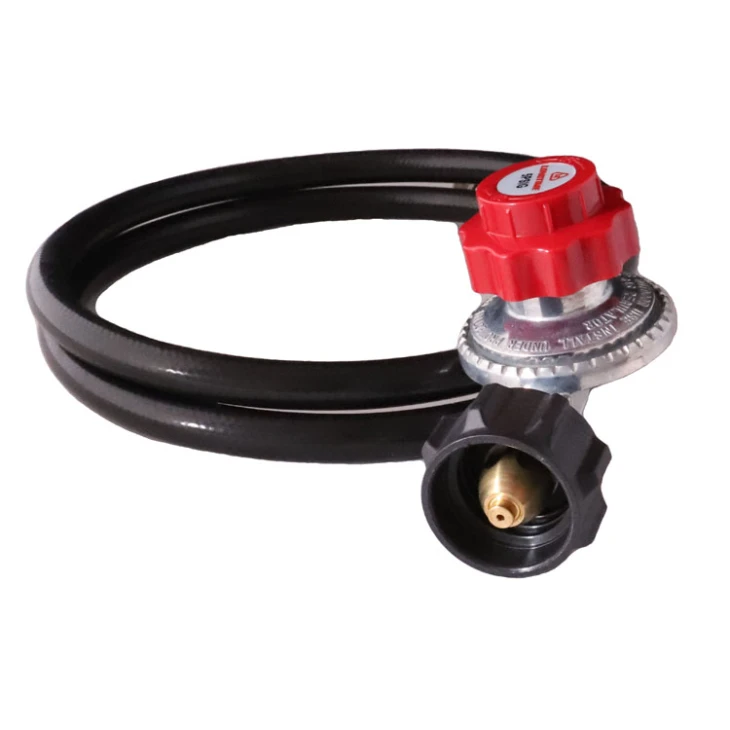
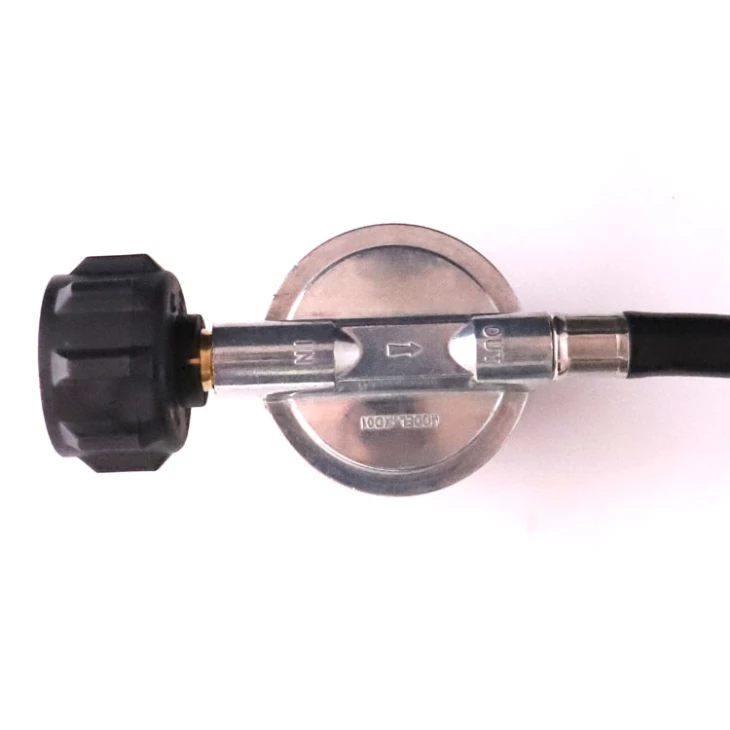
Before we talk about the pressure fluctuation range, it's important to understand what pressure is in the context of a propane regulator. Propane regulators are designed to control the flow of propane gas from a tank to your appliance. They do this by reducing the high pressure of the propane in the tank to a lower, more manageable pressure that your appliance can handle.
The pressure of the propane in the tank can vary depending on a few factors, such as the temperature and the amount of propane in the tank. That's where the regulator comes in. It ensures that the pressure of the propane reaching your appliance remains consistent, regardless of the tank pressure.
What is 30 PSI?
PSI stands for "pounds per square inch," and it's a unit of measurement used to quantify pressure. A 30 PSI propane regulator is designed to maintain a pressure of 30 pounds per square inch at the outlet of the regulator. This is a common pressure setting for many propane appliances, such as gas stoves, water heaters, and some outdoor grills.
Pressure Fluctuation Range
Now, let's get to the main question: what is the pressure fluctuation range of a 30 PSI propane regulator? In general, a high - quality 30 PSI propane regulator will have a relatively small pressure fluctuation range. Typically, you can expect the pressure to fluctuate within a range of about ± 2 - 5 PSI.
This means that if the regulator is set to maintain a pressure of 30 PSI, the actual pressure at the outlet might vary between 25 - 35 PSI under normal operating conditions. However, it's important to note that this is just a general estimate, and the actual fluctuation range can depend on several factors.
Factors Affecting Pressure Fluctuation
- Temperature: Temperature can have a significant impact on the pressure of propane. As the temperature rises, the pressure of the propane in the tank increases, and vice versa. This can cause the pressure at the regulator outlet to fluctuate. For example, on a hot summer day, the pressure might be slightly higher than on a cold winter day.
- Flow Rate: The flow rate of propane through the regulator also affects the pressure. If you have multiple appliances running at the same time or if you have an appliance that requires a high flow rate of propane, the pressure at the regulator outlet might drop slightly. Conversely, if the flow rate is low, the pressure might be closer to the set value.
- Quality of the Regulator: Not all 30 PSI propane regulators are created equal. A high - quality regulator with better internal components and design will generally have a smaller pressure fluctuation range compared to a cheaper, lower - quality regulator.
Why Pressure Fluctuation Matters
You might be wondering why the pressure fluctuation range is important. Well, a stable pressure is crucial for the proper operation of your propane appliances. If the pressure fluctuates too much, it can cause problems such as uneven heating, inefficient combustion, and even damage to your appliances.
For example, if you're using a Propane Tank Regulator for Gas Stove, a significant pressure drop could result in a weak flame, making it difficult to cook your food properly. On the other hand, a sudden increase in pressure could cause the flame to flare up, posing a safety hazard.
Our 30 PSI Propane Regulators
As a supplier, we offer high - quality 30 PSI propane regulators that are designed to minimize pressure fluctuations. Our regulators are made with top - notch materials and advanced technology to ensure reliable performance.
We also have a range of other propane regulators, such as the 20 PSI Gas Regulator, which might be suitable for different applications. And if you're specifically looking for a 30 PSI regulator, you can check out our 30 PSI Gas Regulator on our website.
Contact Us for More Info
If you're interested in purchasing our 30 PSI propane regulators or have any questions about pressure fluctuation, feel free to get in touch. We're here to help you find the right regulator for your needs and ensure that it performs at its best. Whether you're a homeowner looking for a regulator for your gas stove or a business owner in need of multiple regulators for your appliances, we've got you covered.
References
- "Propane Gas Regulators: How They Work and Why They're Important." Propane 101.
- "Pressure Regulation in LPG Systems." International Journal of LPG Research.


