


Can a gas regulator with meter be repaired?
As a supplier of gas regulators with meters, I often encounter questions from customers about the repair of these essential devices. Gas regulators with meters are crucial components in various gas - using systems, whether for residential, commercial, or industrial applications. They ensure a stable and safe supply of gas by regulating the pressure and measuring the amount of gas consumed. In this blog, I will explore the possibilities and considerations regarding the repair of gas regulators with meters.
Understanding Gas Regulators with Meters
Before delving into the repair aspect, it's important to understand how gas regulators with meters work. A gas regulator with meter combines two main functions. The regulator part reduces the high - pressure gas from the source, such as a gas cylinder or a pipeline, to a lower, usable pressure for the connected appliances. The meter, on the other hand, measures the volume of gas that passes through it, which is essential for billing and monitoring gas consumption.
These devices are usually made up of several key components, including a diaphragm, springs, valves, and a metering mechanism. The diaphragm senses the pressure changes and adjusts the valve opening accordingly to maintain a constant downstream pressure. The springs provide the necessary force to keep the diaphragm in the correct position, and the valves control the flow of gas. The metering mechanism can be based on different principles, such as turbine meters or diaphragm meters, depending on the design and application.
Factors Affecting Repairability
Whether a gas regulator with meter can be repaired depends on several factors.
1. Type and Severity of Damage
Minor issues such as a loose connection, a clogged filter, or a worn - out seal may be relatively easy to repair. For example, if the regulator is not functioning properly due to a clogged filter, simply cleaning or replacing the filter can often solve the problem. Similarly, a worn - out seal can be replaced with a new one, restoring the proper sealing and preventing gas leaks.
However, more severe damage, such as a cracked diaphragm, a broken spring, or a malfunctioning metering mechanism, may be more challenging to repair. A cracked diaphragm can cause inaccurate pressure regulation, and in some cases, it may be difficult to find a replacement diaphragm that matches the exact specifications of the regulator. A broken spring can also disrupt the pressure - control function, and if the spring is custom - made for the regulator, it may be hard to source a replacement.

2. Age and Model of the Regulator
Older models of gas regulators with meters may be more difficult to repair because replacement parts may no longer be available. As technology advances, manufacturers may discontinue the production of certain parts for older models. In addition, older regulators may have design limitations or wear and tear that make them more prone to failure. On the other hand, newer models are often designed with modular components, which can make it easier to replace individual parts.
3. Safety and Compliance
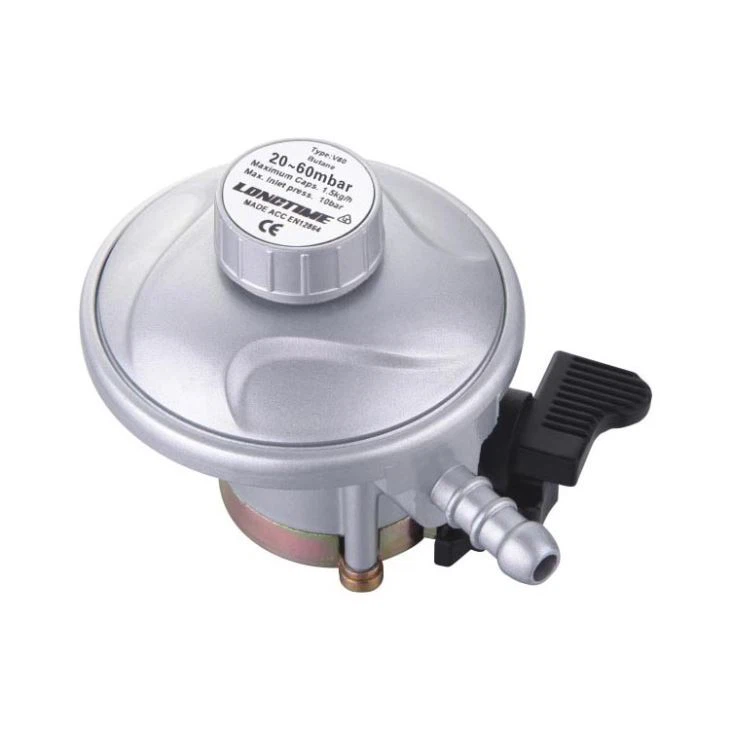
Gas regulators with meters are subject to strict safety standards and regulations. Any repair work must comply with these standards to ensure the safe operation of the device. In some cases, repairing a regulator may void its warranty or certification. For example, if a regulator is CE Approved Butane Gas Regulator, any unauthorized repair may result in the loss of its CE approval, which can be a significant issue for commercial users.
Repair Process
If the gas regulator with meter is determined to be repairable, the following steps are typically involved in the repair process.
1. Inspection
The first step is to conduct a thorough inspection of the regulator. This includes checking for visible damage, such as cracks, leaks, or loose parts. The pressure - regulating function and the metering accuracy are also tested using specialized equipment. By identifying the root cause of the problem, the repair technician can determine the appropriate repair method.
2. Disassembly
Once the problem is identified, the regulator is carefully disassembled. This requires knowledge of the internal structure of the regulator and the use of appropriate tools. Each part is removed and inspected individually to determine if it needs to be repaired or replaced.
3. Repair or Replacement of Parts
Depending on the inspection results, damaged parts are either repaired or replaced. For example, a clogged valve may be cleaned, while a broken diaphragm may be replaced. It's important to use high - quality replacement parts that meet the specifications of the original regulator to ensure proper performance.
4. Reassembly and Testing
After the parts are repaired or replaced, the regulator is reassembled. Once reassembled, the regulator is tested again to ensure that it is functioning correctly. The pressure - regulating function is verified, and the metering accuracy is calibrated if necessary.
When to Replace Instead of Repair
In some cases, it may be more cost - effective and safer to replace the gas regulator with meter rather than repair it.
1. Frequent Repairs
If the regulator has required multiple repairs in a short period, it may be a sign of underlying design or quality issues. Continued repairs can be costly and time - consuming, and there is no guarantee that the regulator will not fail again in the future.
2. Obsolete Parts
As mentioned earlier, if replacement parts are no longer available for an older model, it may be impossible to repair the regulator properly. In this case, replacing the regulator with a newer model is often the best option.
3. Safety Concerns
If the damage is severe and there is a risk of gas leaks or inaccurate pressure regulation, it is safer to replace the regulator. Gas leaks can be extremely dangerous, as they can lead to fires, explosions, or asphyxiation.
Our Offer as a Supplier
As a supplier of gas regulators with meters, we offer a wide range of products, including LP Gas Tank Regulator and LPG Regulator with Meter. Our products are designed to meet the highest safety and quality standards.
We also understand the importance of after - sales service. Our team of experts can provide technical support and advice on whether a gas regulator with meter can be repaired or needs to be replaced. If you have a damaged regulator, we can assist you in determining the best course of action.
If you are in the market for a new gas regulator with meter or need help with an existing one, we encourage you to contact us for a detailed discussion. Our goal is to provide you with the best solutions for your gas - using needs.
References
- Gas Appliance Manufacturers Association (GAMA) - Standards and guidelines for gas regulators
- International Organization for Standardization (ISO) - ISO standards related to gas measurement and regulation
- National Fire Protection Association (NFPA) - Codes and standards for gas safety


