


As an LPG pressure regulator supplier, I often receive inquiries from customers about the performance of our products in various environmental conditions. One common question that comes up frequently is: "Can an LPG pressure regulator be used in cold weather?" In this blog post, I'll delve into this topic to provide a detailed and scientific answer, based on my knowledge and experience in the industry.
Understanding LPG and Its Behavior in Cold Weather
LPG, or liquefied petroleum gas, is a mixture of propane and butane. These hydrocarbons are stored in liquid form under pressure in cylinders. When the valve is opened, the LPG vaporizes and is released as a gas to be used for various applications such as heating, cooking, and powering vehicles.
In cold weather, the temperature drop affects the physical properties of LPG. As the temperature decreases, the vapor pressure of LPG also decreases. This means that there is less of a driving force to convert the liquid LPG into a gas. For example, butane has a boiling point of around -0.5°C at atmospheric pressure. If the ambient temperature drops below this point, butane will start to condense back into its liquid state more readily, reducing the amount of gas available for use.
How Cold Weather Affects LPG Pressure Regulators
The primary function of an LPG pressure regulator is to control the pressure of the gas flowing from the cylinder to the appliance. It reduces the high pressure of the gas in the cylinder to a safe and usable level for the connected equipment.
In cold weather, several factors can impact the performance of an LPG pressure regulator:
-
Vaporization Issue: As mentioned earlier, the reduced vapor pressure of LPG in cold conditions can lead to insufficient gas supply to the regulator. If the LPG is not vaporizing fast enough, the regulator may not receive an adequate volume of gas, causing fluctuations in the output pressure. This can result in inconsistent performance of the appliance, such as a weak flame in a cooker or a reduced heating capacity in a heater.
-
Freezing of Moisture: Moisture can be present in the LPG system, either from the gas itself or from the air that enters the system during refilling or normal operation. When the temperature drops, this moisture can freeze. If the moisture freezes in the regulator, it can clog the internal passages and valves, preventing the proper flow of gas and leading to a complete failure of the regulator.
-
Material Contraction: Different materials in the pressure regulator, including metals and plastics, contract when exposed to cold temperatures. This contraction can cause changes in the dimensions of the regulator components, such as the diaphragm or valve seats. These dimensional changes can affect the sealing ability of the regulator, leading to leaks or inaccurate pressure regulation.

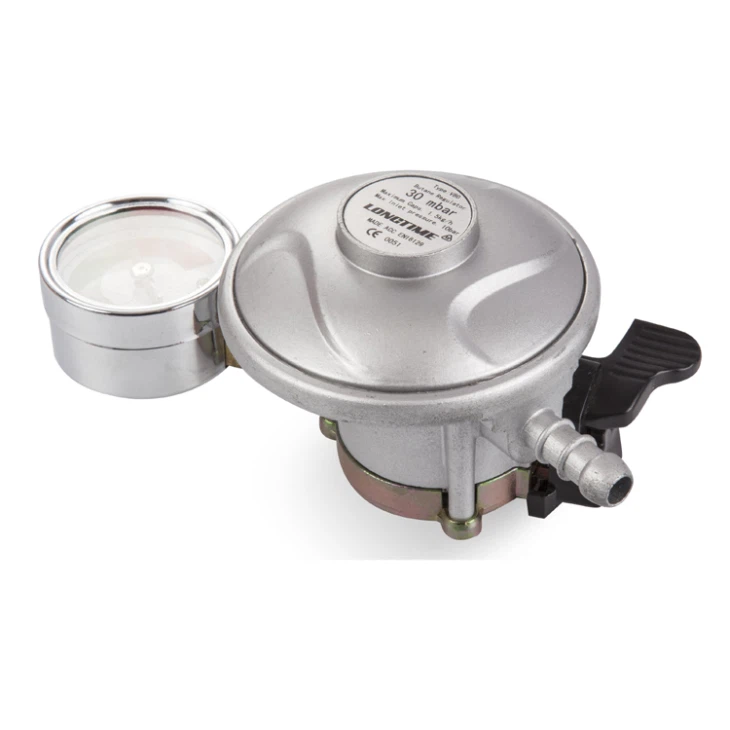
Features of LPG Pressure Regulators Suitable for Cold Weather
To address the challenges posed by cold weather, modern LPG pressure regulators are designed with several features:
-
Cold-Resistant Materials: Many regulators are now made with materials that have good resistance to low temperatures. For example, high-quality elastomers are used for diaphragms and seals. These elastomers can maintain their flexibility and sealing properties even at extremely low temperatures, preventing leaks and ensuring proper operation.
-
Enhanced Vaporization Assist: Some advanced regulators are equipped with features to assist in the vaporization of LPG. This can include internal heat exchangers or insulation to keep the LPG warmer as it passes through the regulator, promoting better vaporization even in cold weather.
-
Improved Design for Moisture Management: To prevent the freezing of moisture, regulators are designed with better drainage and ventilation systems. These systems help to remove any moisture that may accumulate in the regulator, reducing the risk of freezing and blockages.
Our LPG Pressure Regulator Products for Cold Weather
At our company, we offer a range of LPG pressure regulators that are specifically designed to perform well in cold weather conditions.
One of our popular products is the Snap On Butane Regulator. This regulator features a snap-on design for easy installation and is made with high-quality, cold-resistant materials. It has a precision-engineered diaphragm that can withstand temperature variations and provide stable pressure regulation, ensuring a consistent gas supply to your appliances even in cold environments.
Another excellent option is the Click On Gas Regulator For LPG. This regulator is designed with a click-on mechanism for quick and secure connection to LPG cylinders. It also has a moisture management system to prevent freezing and blockages, and its internal components are optimized for efficient LPG vaporization in cold weather.
Our Gas Regulator with Indicator is another great choice. In addition to its cold-weather performance, it comes with an indicator that shows the remaining gas level in the cylinder. This feature is extremely useful in cold weather when the reduced vapor pressure may make it difficult to accurately gauge the gas level using traditional methods.
Tips for Using LPG Pressure Regulators in Cold Weather
Even with high-quality regulators, there are some steps you can take to ensure optimal performance in cold weather:
- Keep the Cylinder Warm: Try to keep the LPG cylinder in a warmer area if possible. You can insulate the cylinder with a suitable cover to reduce heat loss. However, make sure not to cover the regulator itself, as it needs proper ventilation.
- Check for Moisture: Regularly inspect the regulator for any signs of moisture or ice buildup. If you notice any moisture, carefully remove it using a dry cloth. Do not use sharp objects that could damage the regulator.
- Use the Right Regulator for Your Application: Different applications may have different requirements for gas pressure and flow rate. Make sure to choose a regulator that is suitable for your specific appliance and the environmental conditions.
Contact Us for Your LPG Pressure Regulator Needs
If you are looking for high-quality LPG pressure regulators that can perform reliably in cold weather, we are here to help. Our team of experts can provide you with detailed information about our products and assist you in selecting the right regulator for your needs. Whether you are a residential customer looking for a regulator for your home cooker or a commercial user in need of regulators for large-scale applications, we have the solutions.
Don't hesitate to reach out to us for more details and to start a purchasing discussion. We are committed to providing you with the best products and services in the industry.
References
- "Liquefied Petroleum Gas (LPG) Handbook" - A comprehensive guide on the properties, handling, and applications of LPG.
- Industry standards and technical documents related to LPG pressure regulators.


