


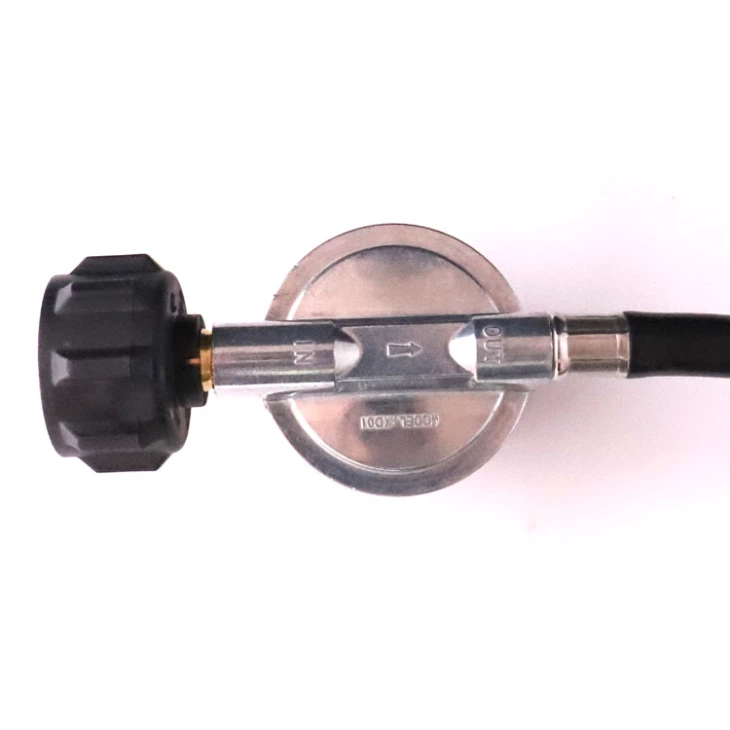
Hey there! As a supplier of 10 PSI propane regulators, I often get asked about how to adjust the pressure of these regulators when needed. Today, I'm gonna break down the process for you in a simple and straightforward way.
Why Adjust the Pressure?
First off, let's talk about why you might need to adjust the pressure of your 10 PSI propane regulator. There are a few reasons for this. Maybe you're using different propane-powered appliances that require a different pressure setting. For example, some high - powered burners might need a bit more pressure to function optimally. Or, you could be dealing with changes in altitude or temperature, which can affect the pressure of the propane system.
Tools You'll Need
Before you start adjusting the pressure, you need to gather the right tools. You'll need a pressure gauge. This is super important because it'll let you know exactly what the pressure is at different points of the adjustment process. A wrench is also necessary, as you'll likely need to loosen or tighten some parts of the regulator. Make sure it fits the fittings on your regulator properly to avoid any damage.
Safety First
Safety is always a top priority when working with propane. Propane is a flammable gas, so you've got to take precautions. Ensure that all propane appliances are turned off before you start. Work in a well - ventilated area to prevent the build - up of propane gas. And never smoke or have any open flames nearby.
Locating the Adjustment Screw
Most 10 PSI propane regulators have an adjustment screw. This screw is usually located on the top or side of the regulator. It's often covered by a cap or a small protective piece. Use your wrench to carefully remove the cap if there is one. Be gentle, as you don't want to damage the screw or the regulator.
Making the Adjustment
Once you've located the adjustment screw, you're ready to start adjusting the pressure. Turning the screw clockwise will generally increase the pressure, while turning it counter - clockwise will decrease the pressure. But be aware that different regulators might work slightly differently, so it's a good idea to check your regulator's manual.
Start by making small adjustments. Only turn the screw a quarter or half - turn at a time. After each adjustment, use your pressure gauge to check the pressure. You don't want to over - adjust and end up with too high or too low a pressure. Keep adjusting and checking until you reach the desired pressure.
Testing the System
After you've made the adjustment, it's crucial to test the propane system. Turn on one of your propane appliances and make sure it's working properly. Check for any leaks around the regulator and the connections. You can use a soapy water solution to do this. Apply the solution to the connections, and if you see bubbles forming, there's a leak. If you find a leak, turn off the propane supply immediately and fix the issue before proceeding.
Common Issues and Troubleshooting
Sometimes, you might run into issues when adjusting the pressure. For example, if you're having trouble getting the pressure to change, the adjustment screw could be stuck. You can try lightly tapping it with a small hammer to loosen it up, but be very careful not to damage the regulator.
Another issue could be inaccurate pressure readings on your gauge. This could be because the gauge is faulty. If you suspect this, it's a good idea to get a new gauge and try again.
Alternative Regulators
If adjusting the 10 PSI regulator doesn't meet your needs, you might want to consider alternative regulators. We also offer a 30 PSI Propane Regulator. This high - pressure regulator is suitable for applications that demand more power, such as large industrial burners.
If you need a lower pressure, our 5 PSI Gas Regulator might be a better choice. It's great for smaller appliances that require a gentle flow of propane.
For those of you with RVs, we have the 30 PSI RV Propane Regulator. It's specifically designed to meet the unique needs of RV propane systems.
When to Call a Professional
While adjusting the pressure of a 10 PSI propane regulator can be a DIY project, there are situations where it's best to call a professional. If you're not comfortable working with propane or if you've tried adjusting the pressure but can't get it right, it's time to bring in an expert. They have the knowledge and experience to handle propane systems safely and effectively.
Contact Us for Purchasing and Further Assistance
If you're in the market for a new propane regulator or need more information about adjusting the pressure, we're here to help. We're a reliable supplier of high - quality 10 PSI propane regulators and other related products. Whether you have questions about installation, adjustment, or which regulator is right for you, our team is ready to assist. Reach out to us for a purchase or to have a chat about your propane needs.
References
- Propane 101: Understanding the Basics of Propane Use. National Propane Gas Association.
- Guide to Propane Regulators. Popular Mechanics.


