


Hey there! I'm a supplier of propane connectors, and I get asked a lot about how to connect a propane connector to a propane gas line. It's not as complicated as it might seem at first, but there are definitely some important steps and safety precautions to keep in mind. In this blog post, I'll walk you through the whole process, from gathering your tools to making that final connection.
Getting Prepared
Before you start connecting anything, you need to make sure you've got all the right tools and parts. Here's a list of what you'll need:
- A propane connector (obviously! And if you're looking for a great one, we've got you covered)
- A propane gas line, which could be part of your grill, heater, or whatever appliance you're using
- A wrench (usually an adjustable one works well)
- Teflon tape (also known as plumber's tape)
- Safety goggles and gloves
It's also a good idea to have a Propane Tank Gauge on hand. This will help you keep track of how much propane is left in your tank, so you don't run out in the middle of using your appliance.
Checking the Propane Tank and Gas Line
Once you've got all your tools, the first thing you want to do is check the propane tank and the gas line. Make sure there are no visible signs of damage, like cracks or leaks. You can do a simple leak test by mixing some soapy water in a spray bottle and spraying it on the connections. If you see bubbles forming, that means there's a leak, and you need to fix it before proceeding.

Also, check the valve on the propane tank. It should be closed. If it's open, close it before you start connecting anything. Safety first, right?
Preparing the Propane Connector
Now it's time to get the propane connector ready. Take a look at the end of the connector that will be attached to the gas line. You'll notice that it has threads. This is where the Teflon tape comes in. Wrap the Teflon tape around the threads in a clockwise direction. You want to do about 3 - 4 wraps. This will help create a tight seal and prevent any propane from leaking out.
Connecting the Propane Connector to the Gas Line
Once the Teflon tape is on, it's time to make the connection. Take the propane connector and align it with the end of the gas line. Start turning the connector clockwise by hand. You'll feel it start to screw onto the gas line. Once it's hand - tight, use the wrench to give it a little extra turn. Don't over - tighten it, though. Just make sure it's snug.
Connecting the Other End of the Propane Connector
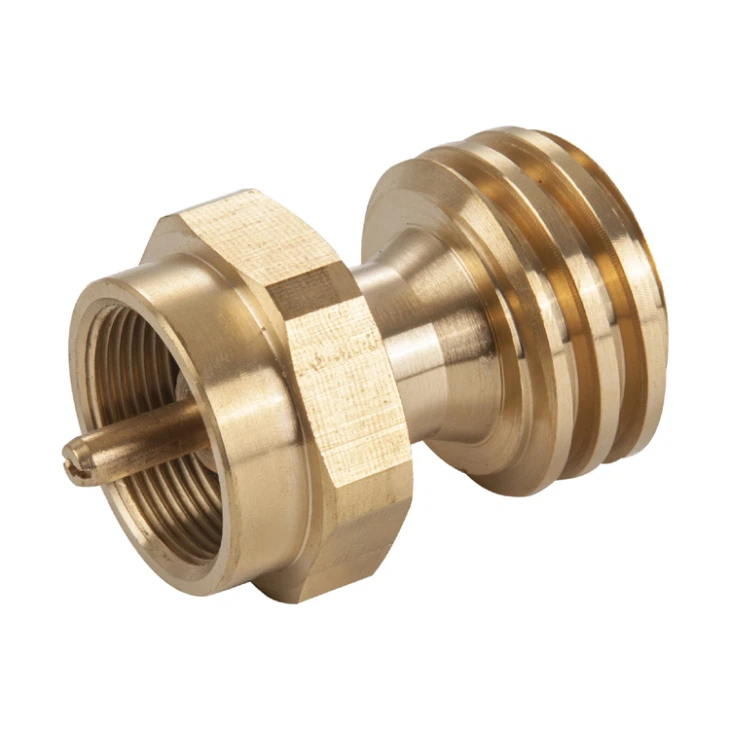
Now that one end of the propane connector is attached to the gas line, it's time to connect the other end to the propane tank. If your propane tank has a POL (Presto - Locking) valve and your connector is designed for a QCC (Quick Connect Coupling), you might need a Propane Tank P.O.L to QCC Adapter.
If you don't need an adapter, simply align the connector with the valve on the propane tank. Turn it clockwise by hand until it's hand - tight, and then use the wrench to give it a little more of a turn.
Doing Another Leak Test
After you've made both connections, it's time to do another leak test. Again, use the soapy water spray bottle and spray it on all the connections. If you see any bubbles, you need to tighten the connection a little more. If the bubbles don't stop, there might be a problem with the connector or the valve, and you should stop using it and get it checked out.
Opening the Propane Tank Valve
Once you're sure there are no leaks, it's time to open the valve on the propane tank. Turn it counter - clockwise slowly. You might hear a little hissing sound as the propane starts to flow. This is normal.
Testing Your Appliance
Now that the propane is flowing, it's time to test your appliance. If it's a grill, turn on the burners and see if they light. If it's a heater, turn it on and see if it starts working. If everything works fine, you're good to go!
Using a Propane Quick Connector with a Ball Valve
If you're using a Propane Quick Connectors W/Ball Valve, the process is a bit different. These connectors are designed for easy on - and - off connections.
First, make sure the ball valve on the connector is in the closed position. Then, connect the quick connector to the gas line and the propane tank as described above. Once the connections are made, you can simply open the ball valve to allow the propane to flow. This is great for appliances that you use frequently and want to be able to connect and disconnect quickly.
Safety Precautions
Throughout this whole process, safety is super important. Here are some safety tips to keep in mind:
- Always wear safety goggles and gloves when working with propane.
- Make sure you're working in a well - ventilated area. Propane is a flammable gas, and you don't want to risk a build - up of gas in an enclosed space.
- Keep any open flames or heat sources away from the propane tank and the connections.
- If you smell propane, even after doing a leak test, turn off the propane tank valve immediately and ventilate the area.
Conclusion
Connecting a propane connector to a propane gas line isn't that difficult, as long as you follow the right steps and take the necessary safety precautions. Whether you're using a regular propane connector or a Propane Quick Connectors W/Ball Valve, the key is to make sure all the connections are tight and there are no leaks.
If you're in the market for high - quality propane connectors, we're here to help. We've got a wide range of products to suit your needs. Whether you need a simple connector or a more advanced one with a ball valve, we've got it.
If you have any questions or want to discuss your propane connector needs, feel free to reach out. We're always happy to help you find the right product for your situation.
References
- Propane Safety Handbook, National Propane Gas Association
- DIY Propane Appliance Installation Guides, various online resources


