


How do I install a 10 PSI propane regulator on a propane manifold?
Introduction
As a reliable supplier of 10 PSI Propane Regulator, I often receive inquiries from customers about the installation process of our products. In this blog post, I will guide you through the step - by - step process of installing a 10 PSI propane regulator on a propane manifold. Whether you are a professional in the industry or a DIY enthusiast, this guide will provide you with the necessary information to complete the installation safely and effectively.
Understanding the 10 PSI Propane Regulator
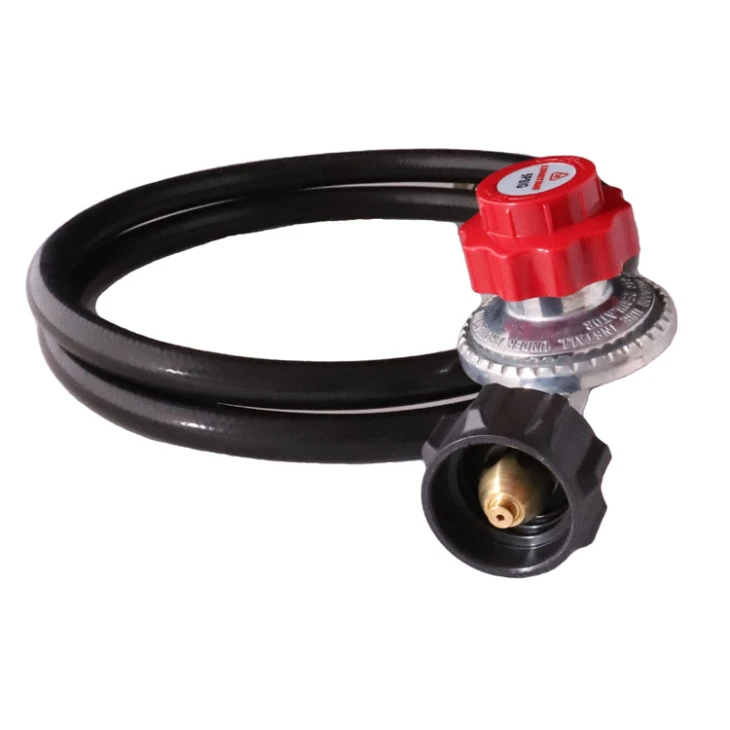
Before we dive into the installation process, it's important to understand what a 10 PSI propane regulator is and why it's used. A propane regulator is a device that controls the flow and pressure of propane gas. The "10 PSI" refers to the pressure at which the regulator is set to deliver the gas. This pressure is suitable for many applications, such as certain types of heaters, stoves, and industrial equipment.
Our 10 PSI Propane Regulator is designed with high - quality materials to ensure durability and reliable performance. It has been rigorously tested to meet industry standards and can provide a stable flow of propane gas at the desired pressure.
Tools and Materials Needed
- 10 PSI Propane Regulator: Of course, you'll need our 10 PSI Propane Regulator.
- Pipe Wrench: For tightening connections.
- Teflon Tape: To seal threaded connections and prevent gas leaks.
- Soap and Water Solution: To test for gas leaks.
- Safety Gloves and Goggles: To protect yourself during the installation process.
Step - by - Step Installation Guide
Step 1: Safety First
Before starting any work with propane gas, it's crucial to ensure your safety. Turn off all propane sources, including the propane tank valve. Make sure you are working in a well - ventilated area to avoid the accumulation of propane gas, which is flammable and potentially dangerous. Put on your safety gloves and goggles.
Step 2: Prepare the Propane Manifold
Inspect the propane manifold for any signs of damage, dirt, or debris. Clean the manifold if necessary, especially the connection points where the regulator will be installed. Use a cloth or a brush to remove any particles that could prevent a proper seal.
Step 3: Apply Teflon Tape
Take the Teflon tape and wrap it around the threaded end of the propane manifold where the regulator will be attached. Wrap the tape in a clockwise direction about 3 - 4 times. This will create a tight seal and prevent gas from leaking out of the connection.
Step 4: Connect the Regulator
Carefully align the regulator's inlet with the threaded end of the propane manifold. Begin threading the regulator onto the manifold by hand. Once it's hand - tight, use a pipe wrench to give it an additional 1/4 to 1/2 turn. Be careful not to over - tighten, as this could damage the threads or the regulator.
Step 5: Check for Leaks
Create a soap and water solution in a spray bottle. Once the regulator is installed, turn on the propane tank valve slowly. Spray the soap and water solution on all the connections, including the connection between the regulator and the manifold, and any other joints. If you see bubbles forming, it indicates a gas leak. If you find a leak, turn off the propane valve immediately and tighten the connection or replace the Teflon tape. Repeat the leak test until there are no more bubbles.
Step 6: Test the Regulator
With the propane valve open and no leaks detected, you can test the regulator. Connect the appropriate propane - powered device to the outlet of the regulator. Make sure the device is in the off position before connecting. Once connected, turn on the device and check if it is operating properly. If the device does not work as expected, there may be an issue with the regulator's pressure setting or the installation.
Common Mistakes to Avoid
- Over - Tightening: As mentioned earlier, over - tightening can damage the threads and cause leaks or even break the regulator.
- Not Using Teflon Tape: Skipping the Teflon tape can lead to gas leaks, which are extremely dangerous.
- Ignoring Safety Precautions: Always follow safety procedures when working with propane gas.
Related Products
In addition to our 10 PSI Propane Regulator, we also offer 30 PSI Propane Regulator for applications that require a higher pressure. Our High Pressure Propane Regulator for Forge is specifically designed to meet the needs of forging equipment.

Conclusion
Installing a 10 PSI propane regulator on a propane manifold is a relatively straightforward process if you follow the steps carefully and prioritize safety. Our 10 PSI Propane Regulator is a high - quality product that can provide reliable performance for your propane - powered applications.
If you are interested in purchasing our propane regulators or have any questions about the installation process, feel free to reach out to us. We are more than happy to assist you with your propane regulator needs and help you find the right product for your application.
References
- Propane Safety Handbook, National Propane Gas Association
- Gas Appliance Installation Manuals


