


As a supplier of 20 PSI propane regulators, ensuring the quality and safety of our products is of utmost importance. Testing these regulators is a critical step in the manufacturing process to guarantee that they meet the required standards and perform effectively. In this blog post, I will share the detailed steps on how to test a 20 PSI propane regulator.
Understanding the Basics of a 20 PSI Propane Regulator
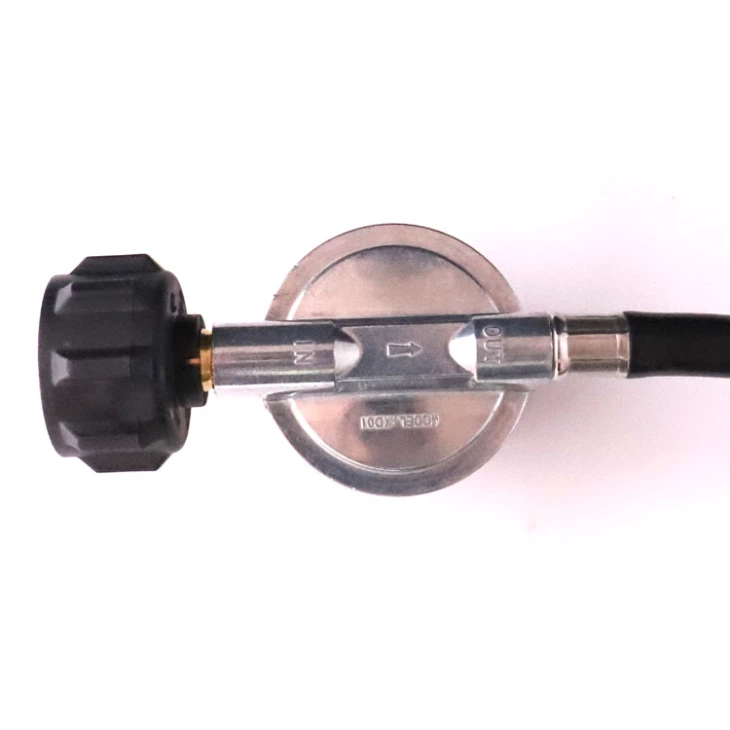
Before diving into the testing process, it's essential to understand what a 20 PSI propane regulator does. A propane regulator is a device that controls the pressure of propane gas flowing from a propane tank to an appliance. A 20 PSI regulator is designed to maintain a constant output pressure of 20 pounds per square inch (PSI), which is suitable for specific applications that require this level of pressure.
Pre - testing Preparations
- Safety First: Propane is a flammable gas, so safety precautions are crucial. Ensure you are working in a well - ventilated area, away from any open flames or sources of ignition. Wear appropriate safety gear, such as safety glasses and gloves.
- Gather Tools and Equipment: You will need a pressure gauge that can accurately measure up to at least 20 PSI, a propane source (such as a propane tank), and appropriate tubing to connect the regulator to the propane source and the pressure gauge.
Step 1: Visual Inspection
The first step in testing a 20 PSI propane regulator is a visual inspection. Check the regulator for any visible signs of damage, such as cracks, dents, or loose connections. Inspect the inlet and outlet ports for any debris or blockages. A damaged regulator may not function correctly and could pose a safety risk. If you notice any significant damage, the regulator should be discarded and not used.
Step 2: Connect the Regulator
- Connect to the Propane Source: Use the appropriate tubing to connect the inlet of the 20 PSI propane regulator to the propane tank. Make sure the connection is tight to prevent any gas leaks. You can use a wrench to ensure a proper seal, but be careful not to over - tighten and damage the fittings.
- Connect the Pressure Gauge: Connect the pressure gauge to the outlet of the regulator. Again, ensure a tight connection to get an accurate pressure reading.
Step 3: Initial Pressure Check
- Open the Propane Tank Valve Slowly: Turn the valve on the propane tank slowly to allow propane gas to flow into the regulator. As the gas starts to flow, observe the pressure gauge. Initially, the pressure may fluctuate, but it should stabilize within a few seconds.
- Check for Leaks: While the gas is flowing, use a soapy water solution to check for leaks at all the connections. Apply the soapy water to the connections, and if you see bubbles forming, it indicates a gas leak. If a leak is detected, turn off the propane tank valve immediately and tighten the connection or replace the faulty fitting.
Step 4: Testing the Output Pressure
- Stabilize the Pressure: Wait for the pressure gauge reading to stabilize. A properly functioning 20 PSI propane regulator should maintain an output pressure of approximately 20 PSI. The acceptable range may vary slightly depending on the manufacturer's specifications, but it should be close to 20 PSI.
- Adjust if Necessary: If the pressure reading is significantly different from 20 PSI, some regulators may have an adjustment screw. Use a screwdriver to carefully turn the adjustment screw to increase or decrease the pressure until it reaches the desired 20 PSI. Be cautious when making adjustments, as over - adjusting can damage the regulator.
Step 5: Flow Rate Testing
- Attach a Load: To test the regulator's performance under load, attach a propane - powered appliance or a flow restrictor to the outlet of the regulator. This simulates the actual usage of the regulator.
- Measure the Flow and Pressure: As the propane flows through the regulator and into the load, monitor the pressure gauge. The pressure should remain relatively stable at 20 PSI, even when there is a flow of gas. A significant drop in pressure under load may indicate a problem with the regulator's ability to maintain the required pressure.
Step 6: Long - Term Testing
- Continuous Monitoring: Let the regulator run for an extended period, such as 30 minutes to an hour, while monitoring the pressure gauge. This long - term testing helps to ensure that the regulator can maintain a stable 20 PSI output over time.
- Check for Fluctuations: During the long - term test, watch for any fluctuations in the pressure reading. If the pressure varies significantly or shows a gradual decline or increase, it could be a sign of a faulty regulator.
Step 7: Final Inspection and Certification
- Shut Down the System: After completing the testing, turn off the propane tank valve and allow the system to depressurize. Disconnect the pressure gauge, the load, and the regulator from the propane tank.
- Final Visual Check: Conduct a final visual inspection of the regulator to ensure that no new damage occurred during the testing process.
- Certify the Regulator: If the regulator passes all the tests and maintains a stable 20 PSI output, it can be certified as a functional and reliable product.
Related Products
If you are looking for other types of gas regulators, we also offer a variety of options. For instance, our 5 PSI Gas Regulator is suitable for applications that require a lower pressure. The Propane Tank Regulator for Gas Stove is specifically designed for gas stoves, ensuring a safe and consistent supply of propane. And our 30 PSI RV Propane Regulator is ideal for recreational vehicles.
Contact for Purchase and Negotiation
If you are interested in our 20 PSI propane regulators or any of our other products, we welcome you to contact us for purchase and negotiation. We are committed to providing high - quality products and excellent customer service. Our team of experts can assist you in selecting the right regulator for your specific needs.

References
- "Propane Regulator Handbook" - Industry - standard guide on propane regulators and their testing procedures.
- Manufacturer's manuals for 20 PSI propane regulators, which provide detailed information on testing and maintenance.


