


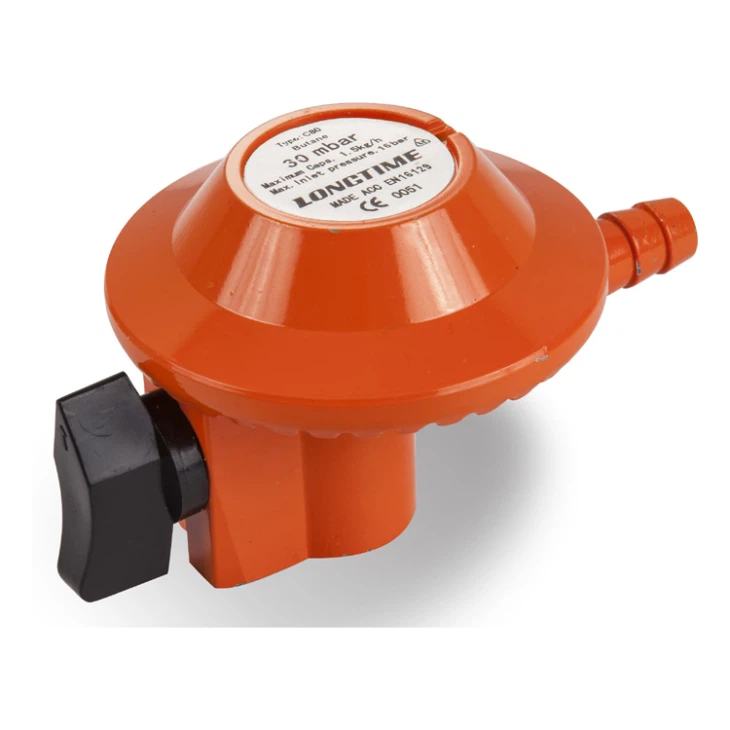
Hey there! As a supplier of gas pressure regulators, I often get asked about how to adjust these nifty devices. It's a pretty crucial skill to have, whether you're using a Low Pressure Butane Regulator, an LPG Pressure Regulator, or a Low Pressure Gas Regulator. So, let's dive right in and break down the process step by step.
First things first, understanding what a gas pressure regulator does is key. Simply put, it controls the pressure of the gas flowing from a high-pressure source (like a gas cylinder) to a lower-pressure system (like a burner or an appliance). This ensures that the gas is delivered at a safe and consistent pressure, which is super important for both the efficient operation of your equipment and your safety.
Before you start adjusting the regulator, it's essential to take some safety precautions. Make sure the gas supply is turned off completely. This may seem obvious, but you'd be surprised how many people forget this step. It'll prevent any accidental gas leaks while you're working on the regulator. Also, wear appropriate safety gear, like gloves and safety glasses, just in case there are any unexpected gas releases or small parts flying around.
Now, let's get into the adjustment process. There are two main types of gas pressure regulators: adjustable and non - adjustable. Non - adjustable regulators come pre - set at the factory, and you shouldn't try to adjust them unless you're a professional. In most cases, if you think a non - adjustable regulator isn't working properly, it's best to replace it.
For adjustable regulators, the process is a bit more involved. The first step is to locate the adjustment screw. This is usually a small screw on the top or side of the regulator. It's often covered by a cap to prevent accidental adjustments. Use a small screwdriver to remove the cap gently.
Once you've exposed the adjustment screw, you need to determine what kind of adjustment you're going to make. Are you trying to increase or decrease the pressure? If the equipment isn't getting enough gas, you might need to increase the pressure. Conversely, if there's too much gas, you'll want to decrease it.
To increase the pressure, turn the adjustment screw clockwise. Make small adjustments, like a quarter - turn at a time. After each adjustment, turn on the gas supply briefly and check the pressure using a pressure gauge. You can find pressure gauges at most hardware stores. If you don't have a gauge, you can also check the performance of the equipment. For example, if it's a gas stove, see if the flames are getting bigger and more consistent.

If you're decreasing the pressure, turn the adjustment screw counterclockwise, again in small increments. Keep checking the pressure or the performance of the connected equipment after each adjustment. You don't want to over - adjust, as this can either starve the equipment of gas or create a dangerous situation.
During the adjustment process, it's important to keep an eye out for any signs of trouble. If you notice any gas leaks, which might smell like rotten eggs (most gases have an odorant added for safety), immediately turn off the gas supply and stop the adjustment. Check all the connections to make sure they're tight. If the leak persists, it's best to call a professional.
Another thing to watch for is inconsistent pressure. If the pressure keeps fluctuating even after you've made adjustments, there could be a problem with the regulator itself. It might be clogged or damaged, in which case you'll probably need to replace it.
After you're satisfied with the pressure adjustment, make sure to put the cap back on the adjustment screw. This will prevent any accidental changes to the pressure in the future. Also, double - check all the connections to make sure they're secure.
Different types of regulators might have some slight differences in the adjustment process. For example, a Low Pressure Butane Regulator is designed for use with butane gas, and its pressure settings might be different from an LPG Pressure Regulator, which is for liquefied petroleum gas. Always refer to the manufacturer's instructions for specific details about your regulator.
If you're having trouble adjusting the regulator or if you're not sure about the process, don't hesitate to reach out to us. We're a Gas Pressure Regulator supplier with a wealth of knowledge and experience. We can provide you with more detailed guidance or even offer on - site assistance if needed.
Whether you're a homeowner looking to fine - tune your gas appliances or a professional technician working on a large - scale project, having a properly adjusted gas pressure regulator is crucial. It not only ensures the safe and efficient operation of your equipment but also saves you money in the long run by preventing unnecessary wear and tear.
If you're in the market for a new gas pressure regulator or need some replacement parts, we've got you covered. Our Low Pressure Gas Regulator range offers high - quality products at competitive prices. We also provide excellent customer service to help you find the right regulator for your specific needs.
So, if you're interested in purchasing our gas pressure regulators, just let us know. We're more than happy to discuss your requirements and help you make the best choice. Whether you need a single regulator for your home or a bulk order for your business, we're here to assist you every step of the way.
In conclusion, adjusting a gas pressure regulator isn't rocket science, but it does require some attention to detail and safety precautions. By following the steps outlined above and referring to the manufacturer's instructions, you can ensure that your gas equipment operates safely and efficiently. And if you ever need help or have any questions, don't hesitate to contact us.
References
- General knowledge about gas pressure regulators from industry standards and training materials.
- Manufacturer's guides for various gas pressure regulators.


