


Hey there! I'm a supplier of natural gas regulators, and today I wanna chat about how these nifty devices respond to changes in demand. It's a topic that might not seem super exciting at first glance, but trust me, it's pretty crucial when it comes to ensuring a steady and safe supply of natural gas.
First off, let's quickly go over what a natural gas regulator actually does. In simple terms, it's a device that controls the pressure of natural gas flowing through a pipeline. The goal is to keep the pressure at a consistent level, no matter how much gas is being used. This is super important because if the pressure is too high, it can cause damage to appliances and even pose a safety risk. On the other hand, if the pressure is too low, appliances might not work properly.
So, how does a natural gas regulator respond to changes in demand? Well, it all comes down to a few key components and some clever engineering. Most regulators use a diaphragm and a spring to control the flow of gas. The diaphragm is a flexible membrane that moves in response to changes in pressure. When the demand for gas increases, the pressure downstream of the regulator drops. This drop in pressure causes the diaphragm to move, which in turn opens a valve that allows more gas to flow through the regulator.
Let's say you have a bunch of appliances in your home that are all using natural gas at the same time. Your stove might be cooking dinner, your water heater might be heating up water, and your furnace might be keeping your home warm. All of these appliances are pulling gas from the pipeline, which means the demand for gas is high. When this happens, the pressure downstream of the regulator drops, and the diaphragm senses this change. It then moves to open the valve, allowing more gas to flow through the regulator and meet the increased demand.
Conversely, when the demand for gas decreases, the pressure downstream of the regulator increases. This increase in pressure causes the diaphragm to move in the opposite direction, closing the valve and reducing the flow of gas. For example, if you turn off your stove and your water heater after you're done cooking and showering, the demand for gas drops significantly. The regulator senses this change in pressure and adjusts the flow of gas accordingly.
Another important factor in how a natural gas regulator responds to changes in demand is the type of regulator. There are two main types of regulators: direct-acting regulators and pilot-operated regulators. Direct-acting regulators are simpler and more commonly used in smaller applications, like residential homes. They rely on the diaphragm and spring mechanism I mentioned earlier to control the flow of gas.
Pilot-operated regulators, on the other hand, are more complex and are typically used in larger industrial and commercial applications. They use a small pilot valve to control the main valve, which allows for more precise control of the gas flow. Pilot-operated regulators can respond more quickly and accurately to changes in demand, making them ideal for applications where a consistent and reliable supply of gas is critical.
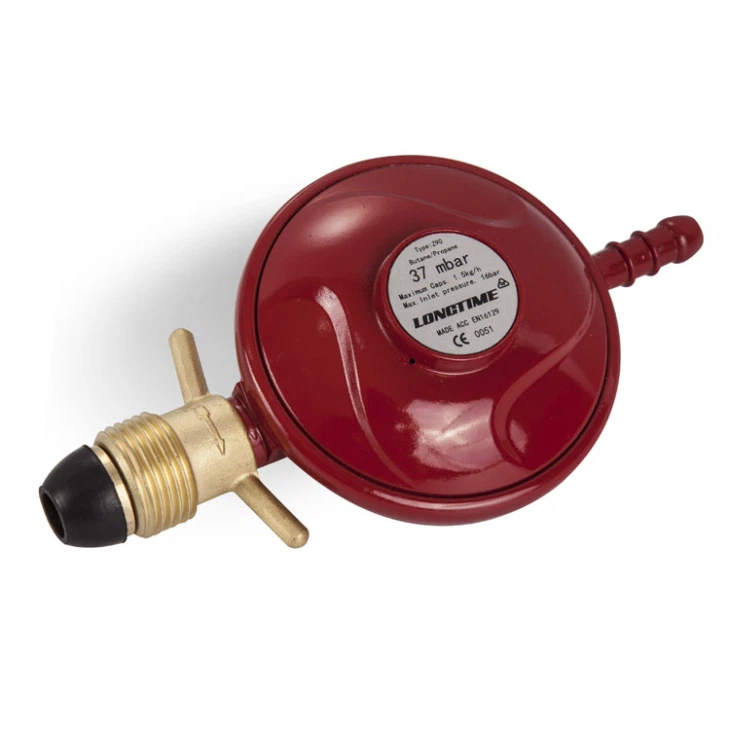
Now, let's talk about some of the specific products we offer as a natural gas regulator supplier. We have a great selection of regulators that are designed to meet the needs of different customers and applications. For example, our Double Propane Tank Regulator is perfect for those who use propane tanks for their gas supply. It's designed to work with two propane tanks at the same time, providing a continuous supply of gas even when one tank runs out.
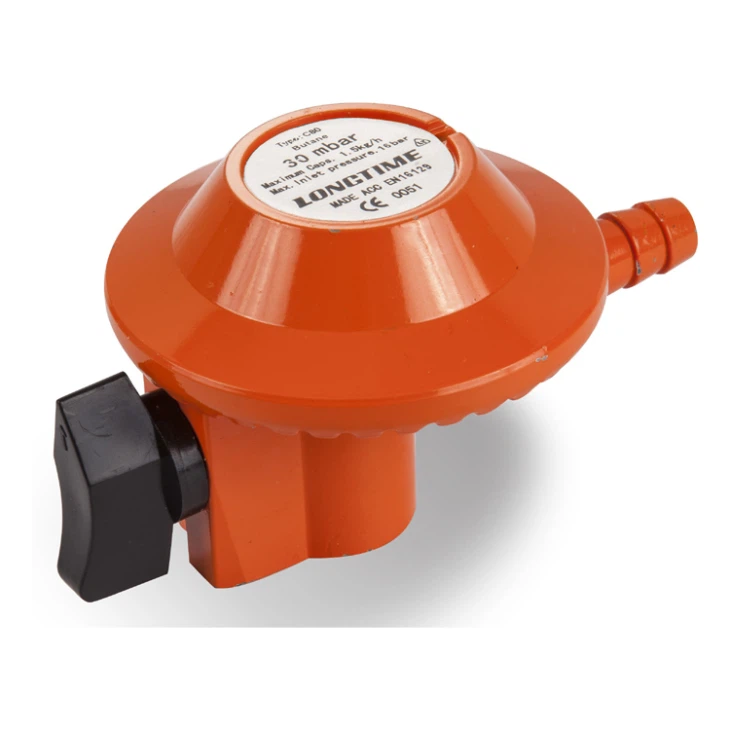
Our LPG Pressure Regulator is another popular product. It's specifically designed to regulate the pressure of liquefied petroleum gas (LPG), which is commonly used in heating systems, cooking appliances, and other applications. This regulator is built to be durable and reliable, ensuring a safe and consistent supply of LPG.
And for those who need a regulator for home use, we have our Gas Regulator for Home Use. This regulator is designed to provide a steady and safe supply of natural gas to your home appliances. It's easy to install and maintain, making it a great choice for homeowners.
In addition to these products, we also offer a range of other gas regulators, including high-pressure regulators, low-pressure regulators, and adjustable regulators. We can help you choose the right regulator for your specific needs, whether you're a homeowner, a business owner, or an industrial user.
So, if you're in the market for a natural gas regulator, or if you have any questions about how these devices work, don't hesitate to get in touch with us. We're here to help you find the best solution for your gas supply needs. Whether you need a regulator for a small residential application or a large industrial project, we have the expertise and the products to meet your requirements.
Contact us today to start the conversation about your natural gas regulator needs. We look forward to working with you and providing you with a reliable and efficient gas supply solution.
References
- "Gas Regulator Handbook" by John Doe
- "Understanding Natural Gas Systems" by Jane Smith
- Industry standards and guidelines for natural gas regulators


