


As a supplier of LP gas tank regulators, one of the most frequently asked questions I encounter is, "How often should I replace my LP gas tank regulator?" This is a crucial question as the safe and efficient operation of your LP gas system depends significantly on the condition of the regulator. In this blog, I'll delve into the factors that influence the replacement frequency of LP gas tank regulators and offer some practical guidance to help you make informed decisions.
Understanding the Role of an LP Gas Tank Regulator
Before discussing replacement intervals, it's essential to understand what an LP gas tank regulator does. Liquid propane (LP) gas is stored in a tank under high pressure. When you use LP gas for applications such as heating, cooking, or fueling a generator, the gas needs to be released at a lower, more manageable pressure. That's where the regulator comes in. It reduces the high pressure from the tank to a consistent, safe pressure that your appliances can handle.
Factors Affecting Replacement Frequency
Several factors determine how often you should replace your LP gas tank regulator. Let's explore each of them in detail.
1. Usage Frequency
The more frequently you use your LP gas system, the more wear and tear the regulator will experience. For example, if you use your gas grill every weekend during the summer or rely on LP gas for heating your home throughout the winter, your regulator will be in constant operation. In such cases, it's advisable to inspect the regulator annually and consider replacing it every 5 - 7 years. On the other hand, if you only use your LP gas system occasionally, such as for a camping trip once or twice a year, the regulator may last longer, perhaps 7 - 10 years.
2. Environmental Conditions
The environment in which the regulator is located can also have a significant impact on its lifespan. If the regulator is exposed to harsh weather conditions, such as extreme heat, cold, humidity, or saltwater, it may deteriorate more quickly. For instance, regulators installed in coastal areas are more prone to corrosion due to the salt in the air. In these situations, it's recommended to replace the regulator every 3 - 5 years to ensure its proper functioning.
3. Quality of the Regulator
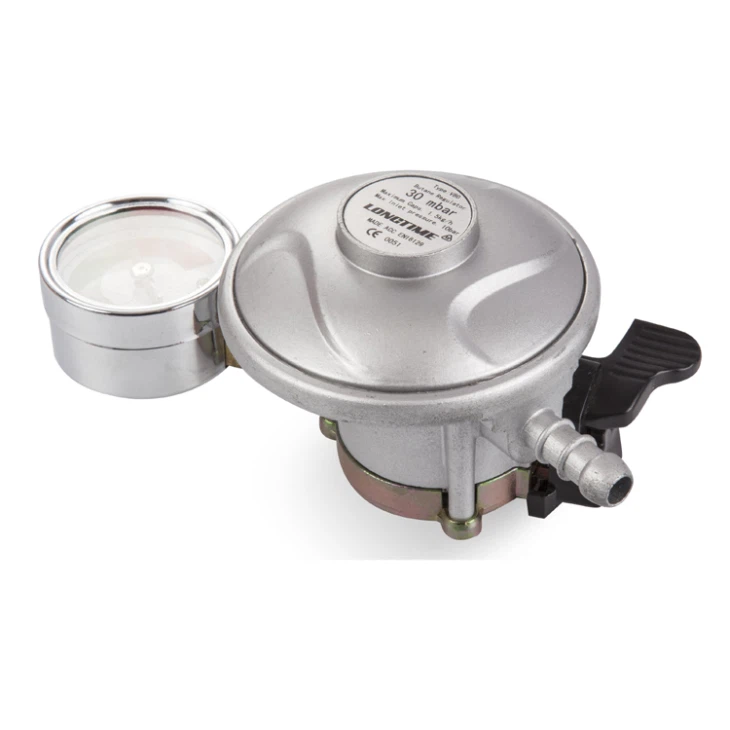
The quality of the regulator you purchase plays a crucial role in determining its lifespan. Higher - quality regulators are typically made from better materials and are more durable. When you invest in a well - made regulator from a reputable manufacturer, you can expect it to last longer. As a supplier, I always advise customers to choose quality products like our Low Pressure Butane Regulator, Low Pressure LP Regulator, and Gas Regulator with Indicator. These regulators are designed to withstand the rigors of regular use and offer reliable performance over an extended period.

4. Maintenance
Proper maintenance can significantly extend the lifespan of your LP gas tank regulator. Regularly inspect the regulator for signs of damage, such as cracks, leaks, or corrosion. Keep the regulator clean and free from debris. If you notice any issues during your inspection, address them promptly. For example, if you find a minor leak, you may be able to tighten a connection or replace a gasket. However, if the damage is severe, it's best to replace the regulator immediately.
Signs That It's Time to Replace Your Regulator
In addition to considering the factors mentioned above, there are several signs that indicate it's time to replace your LP gas tank regulator.
1. Inconsistent Gas Pressure
If you notice that your appliances are not performing as they should, such as a gas stove burner that doesn't heat up evenly or a gas heater that doesn't produce enough heat, it could be a sign of inconsistent gas pressure. This may be caused by a faulty regulator that is unable to maintain a steady pressure.
2. Leaks
A gas leak is a serious safety hazard. If you smell gas around the regulator or notice bubbles when you apply a soap - water solution to the connections, it's a clear indication of a leak. In this case, you should immediately turn off the gas supply and replace the regulator.
3. Visible Damage
As mentioned earlier, cracks, corrosion, or other visible damage to the regulator are signs that it needs to be replaced. Even if the regulator is still functioning, damaged components can lead to safety issues in the future.
4. Excessive Noise
Unusual noises, such as hissing or whistling, coming from the regulator can indicate a problem. This may be caused by a worn - out diaphragm or other internal components. If you hear such noises, it's advisable to replace the regulator.
The Importance of Timely Replacement
Replacing your LP gas tank regulator at the appropriate time is crucial for several reasons. First and foremost, it ensures the safety of your home or workplace. A faulty regulator can lead to gas leaks, which can cause fires, explosions, or carbon monoxide poisoning. Secondly, a properly functioning regulator helps your appliances operate more efficiently. When the gas pressure is consistent, your appliances will consume less gas and perform better, saving you money on energy costs in the long run.
How to Choose the Right Replacement Regulator
When it's time to replace your LP gas tank regulator, it's important to choose the right one for your needs. Consider the following factors:
1. Pressure Requirements
Different appliances require different gas pressures. Make sure to choose a regulator that can provide the appropriate pressure for your appliances. You can usually find the pressure requirements in the appliance's user manual.
2. Type of Gas
Whether you are using propane or butane, make sure the regulator is compatible with the type of gas you are using. Our Low Pressure Butane Regulator is specifically designed for butane gas, while our Low Pressure LP Regulator is suitable for propane.
3. Features
Some regulators come with additional features, such as an indicator that shows the remaining gas level. Our Gas Regulator with Indicator provides this convenient feature, allowing you to easily monitor the gas supply.
Contact Us for Your LP Gas Tank Regulator Needs
If you're in the market for a new LP gas tank regulator or have any questions about the replacement process, we're here to help. Our team of experts can provide you with personalized advice and recommend the best regulator for your specific requirements. Whether you need a Low Pressure Butane Regulator, a Low Pressure LP Regulator, or a Gas Regulator with Indicator, we have a wide selection of high - quality products to meet your needs. Get in touch with us to start the procurement discussion and ensure the safe and efficient operation of your LP gas system.
References
- National Fire Protection Association. NFPA 58: Liquefied Petroleum Gas Code.
- Propane Education & Research Council. Safety and Use of Propane Appliances.


