


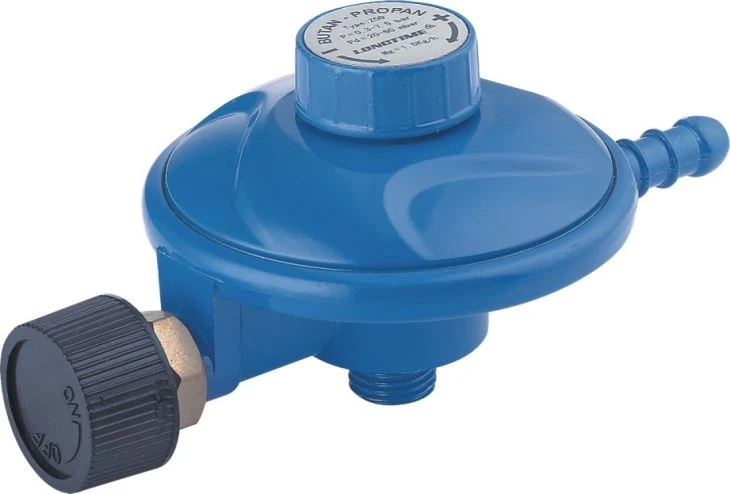
Hey there! As a supplier of Gas Cooktop Regulators, I've seen my fair share of dirty and malfunctioning regulators. A clean gas cooktop regulator not only ensures efficient performance but also extends the lifespan of your cooktop. In this blog, I'll walk you through the step-by-step process of cleaning a gas cooktop regulator.

Why Cleaning Your Gas Cooktop Regulator is Important
Before we dive into the cleaning process, let's talk about why it's so crucial to keep your gas cooktop regulator clean. Over time, dirt, grease, and debris can build up inside the regulator, causing it to function poorly. This can lead to uneven flame distribution, low heat output, and even safety hazards. By regularly cleaning your regulator, you can prevent these issues and keep your cooktop running smoothly.
What You'll Need
- Safety gloves: To protect your hands from any chemicals or sharp edges.
- Safety goggles: To shield your eyes from debris.
- Screwdriver: To remove the regulator cover.
- Soft brush: Such as a toothbrush, to clean hard-to-reach areas.
- Cleaning solution: You can use a mild dish soap and water solution or a specialized gas appliance cleaner.
- Rags or paper towels: For drying and wiping down the regulator.
Step 1: Turn Off the Gas Supply
The first and most important step is to turn off the gas supply to your cooktop. This is a safety measure to prevent any gas leaks or accidents during the cleaning process. Locate the gas shut-off valve, which is usually located near the cooktop or in the basement. Turn the valve clockwise until it's fully closed.
Step 2: Remove the Regulator Cover
Once the gas supply is turned off, you can start removing the regulator cover. Use a screwdriver to loosen the screws holding the cover in place. Carefully lift the cover off and set it aside. Be gentle to avoid damaging any components.
Step 3: Inspect the Regulator
Before you start cleaning, take a close look at the regulator. Check for any signs of damage, such as cracks, leaks, or corrosion. If you notice any issues, it's best to replace the regulator rather than attempting to clean it. If the regulator looks okay, you can proceed with the cleaning process.
Step 4: Clean the Exterior
Use a soft brush and a cleaning solution to gently scrub the exterior of the regulator. Pay special attention to any areas with dirt or grease buildup. You can also use a rag or paper towel to wipe down the surface. Make sure to clean all the nooks and crannies, including the edges and corners.
Step 5: Clean the Interior
Next, it's time to clean the interior of the regulator. Use the soft brush to carefully remove any dirt or debris from the inside of the regulator. Be gentle to avoid damaging any internal components. You can also use a can of compressed air to blow out any loose particles.
Step 6: Soak the Components
If the regulator has removable components, such as the diaphragm or valve, you can soak them in a cleaning solution for a few minutes. This will help to loosen any stubborn dirt or grease. After soaking, rinse the components thoroughly with clean water and dry them with a rag or paper towel.
Step 7: Reassemble the Regulator
Once all the components are clean and dry, it's time to reassemble the regulator. Carefully place the components back in their original positions and secure the regulator cover with the screws. Make sure everything is tightly fastened to prevent any gas leaks.
Step 8: Test the Regulator
After reassembling the regulator, it's important to test it to make sure it's working properly. Turn on the gas supply and light the burners on your cooktop. Check for any signs of uneven flame distribution or low heat output. If everything looks okay, you're good to go!
Tips for Maintaining Your Gas Cooktop Regulator
- Clean regularly: Make it a habit to clean your gas cooktop regulator at least once every few months to prevent dirt and grease buildup.
- Use the right cleaner: Always use a cleaning solution that is specifically designed for gas appliances to avoid damaging the regulator.
- Inspect for damage: Regularly inspect the regulator for any signs of damage, such as cracks, leaks, or corrosion. If you notice any issues, replace the regulator immediately.
- Follow the manufacturer's instructions: Make sure to follow the manufacturer's instructions for cleaning and maintaining your gas cooktop regulator.
Our Gas Cooktop Regulator Products
As a supplier of Gas Cooktop Regulators, we offer a wide range of high-quality products to meet your needs. Whether you're looking for an Adjustable Gas Regulator For LPG, a Gas Regulator for Home Use, or a Low Pressure Regulator Gas, we've got you covered. Our regulators are designed to provide reliable performance and ensure the safety of your gas cooktop.
Contact Us for Purchasing
If you're interested in purchasing our Gas Cooktop Regulators or have any questions, feel free to reach out to us. We're here to help you find the right regulator for your needs and provide you with the best customer service possible. Let's start a conversation and see how we can work together to keep your gas cooktop running smoothly.
References
- "Gas Appliance Maintenance Guide," Home Appliance Association.
- "Safety Tips for Gas Cooktops," National Fire Protection Association.


