


Hey there! As a supplier of 30 PSI propane regulators, I know how crucial it is to ensure these regulators can withstand corrosion. Corrosion can not only damage the regulator but also pose serious safety risks. So, in this blog, I'm gonna share with you how to test the corrosion resistance of a 30 PSI propane regulator.
Why Corrosion Resistance Matters
Before we dive into the testing methods, let's talk about why corrosion resistance is so important for propane regulators. Propane regulators are often exposed to various environmental conditions, including moisture, chemicals, and even salt in coastal areas. When a regulator corrodes, it can lead to leaks, reduced performance, and in extreme cases, safety hazards. A corroded regulator might not be able to maintain the proper pressure, which can cause problems for the propane system it's connected to.
Visual Inspection
The first and simplest way to test for corrosion is through a visual inspection. This is something you can do regularly, even without any special equipment. Start by looking at the exterior of the regulator. Check for any signs of rust, discoloration, or pitting on the surface. Rust is a clear indication of corrosion, and pitting can be a sign that the corrosion is starting to eat into the metal.
If you notice any visible signs of corrosion, it's a good idea to take a closer look. You can use a magnifying glass to examine the affected areas more closely. Look for any cracks or holes that might have formed due to the corrosion. These can be serious issues that need to be addressed immediately.
Salt Spray Test
One of the most common and effective ways to test the corrosion resistance of a 30 PSI propane regulator is the salt spray test. This test simulates the harsh conditions that a regulator might face in a coastal or industrial environment.
To perform a salt spray test, you'll need a salt spray chamber. These chambers are designed to create a controlled environment where the regulator can be exposed to a fine mist of saltwater. The saltwater mist is typically made by dissolving sodium chloride in distilled water to create a solution with a concentration of around 5%.
Place the regulator in the salt spray chamber and set the temperature and humidity to the desired levels. Most salt spray tests are conducted at a temperature of around 35°C (95°F) and a relative humidity of around 95%. Leave the regulator in the chamber for a specified period of time, usually between 24 and 1000 hours, depending on the industry standards or your specific requirements.
After the test is complete, remove the regulator from the chamber and rinse it thoroughly with clean water to remove any salt deposits. Then, dry the regulator and perform a visual inspection. Look for any signs of corrosion, such as rust or pitting. If the regulator shows minimal or no signs of corrosion after the test, it indicates that it has good corrosion resistance.
Electrochemical Testing
Another way to test the corrosion resistance of a 30 PSI propane regulator is through electrochemical testing. This method measures the electrical properties of the regulator's surface to determine its susceptibility to corrosion.
One common electrochemical test is the potentiodynamic polarization test. In this test, the regulator is immersed in an electrolyte solution, usually a saltwater solution. An electrical potential is then applied to the regulator, and the current flowing through the solution is measured. The results of the test can be used to calculate the corrosion rate of the regulator.
Electrochemical testing can provide more detailed information about the corrosion resistance of the regulator than a visual inspection or salt spray test. However, it requires specialized equipment and expertise, so it's usually performed in a laboratory setting.
Immersion Test
The immersion test is another simple way to test the corrosion resistance of a 30 PSI propane regulator. This test involves immersing the regulator in a corrosive solution for a specified period of time.
To perform an immersion test, you'll need a container large enough to hold the regulator and the corrosive solution. The corrosive solution can be a saltwater solution or a solution of a specific chemical that is known to cause corrosion.
Place the regulator in the container and fill it with the corrosive solution. Make sure the regulator is fully submerged. Leave the regulator in the solution for a specified period of time, usually between a few hours and several days, depending on the type of solution and the expected level of corrosion.
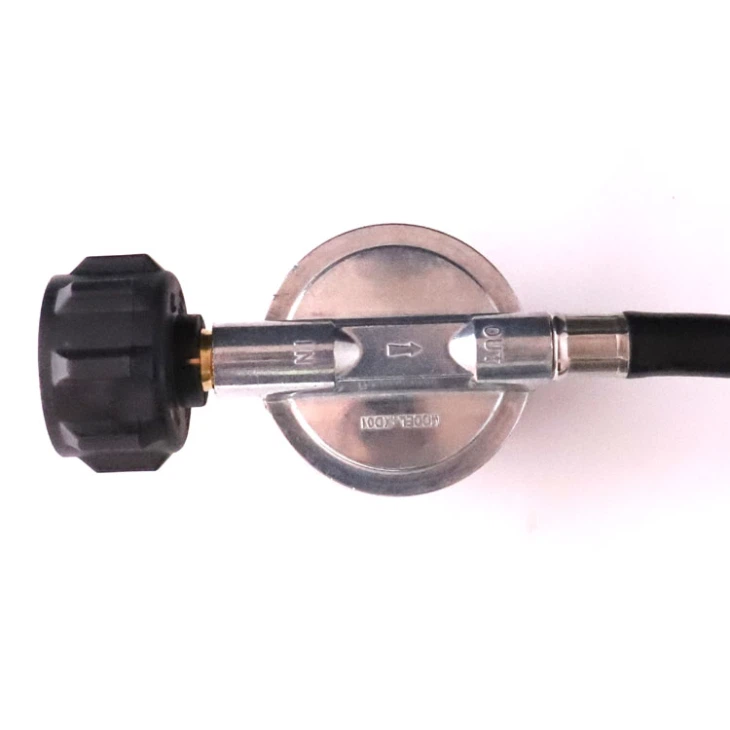
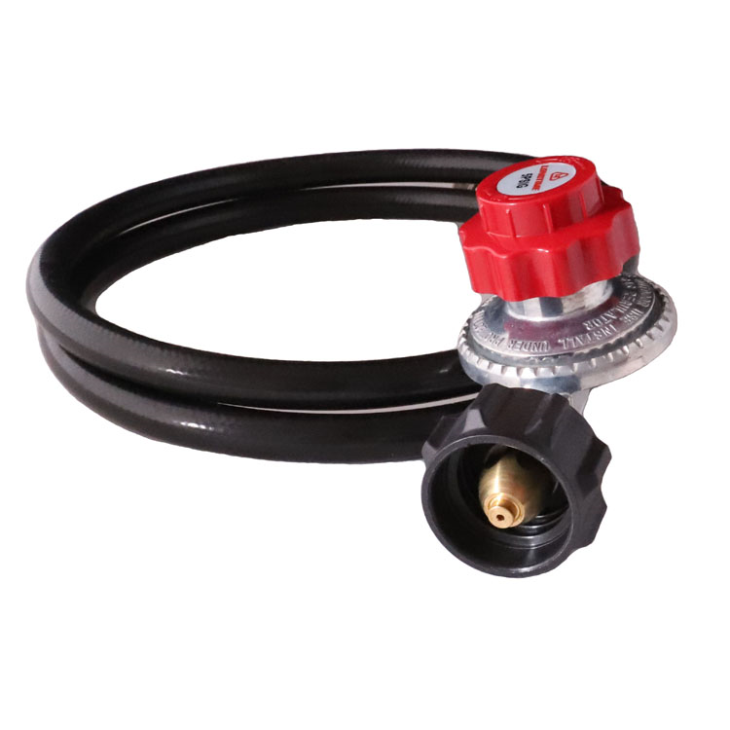
After the test is complete, remove the regulator from the solution and rinse it thoroughly with clean water. Then, dry the regulator and perform a visual inspection. Look for any signs of corrosion, such as rust or pitting.
Comparison with Standards
When testing the corrosion resistance of a 30 PSI propane regulator, it's important to compare your results with industry standards. There are several standards that govern the corrosion resistance of propane regulators, such as ASTM and ISO standards.
These standards specify the requirements for the corrosion resistance of propane regulators and provide guidelines for testing methods. By comparing your test results with these standards, you can determine whether your regulator meets the required level of corrosion resistance.
Importance of Corrosion-Resistant Materials
In addition to testing the corrosion resistance of a 30 PSI propane regulator, it's also important to choose the right materials for the regulator. Using corrosion-resistant materials can significantly improve the lifespan and performance of the regulator.
Some common corrosion-resistant materials used in propane regulators include stainless steel, brass, and aluminum. Stainless steel is a popular choice because it is highly resistant to corrosion and has good mechanical properties. Brass is also a good choice because it is relatively inexpensive and has good corrosion resistance. Aluminum is lightweight and has good corrosion resistance, but it is not as strong as stainless steel or brass.
Conclusion
Testing the corrosion resistance of a 30 PSI propane regulator is an important part of ensuring its safety and performance. By using a combination of visual inspection, salt spray tests, electrochemical testing, and immersion tests, you can get a comprehensive understanding of the regulator's corrosion resistance.
If you're in the market for a high-quality 30 PSI propane regulator, we've got you covered. We also offer other great options like the 20 PSI Gas Regulator and the 10 PSI LP Gas Regulator. And if you're looking for a regulator for your RV, check out our 30 PSI RV Propane Regulator.
If you have any questions or are interested in purchasing our products, feel free to reach out to us. We're here to help you find the perfect propane regulator for your needs.
References
- ASTM International. "ASTM Standards for Corrosion Testing."
- ISO. "ISO Standards for Corrosion Resistance of Metal Products."


