


Hey there! As a supplier of LPG Pressure Regulators, I've seen my fair share of issues when it comes to these crucial components. Today, I'm gonna walk you through how to troubleshoot an LPG pressure regulator. Whether you're a DIY enthusiast or a professional in the field, these tips can save you time and money.
Understanding the Basics
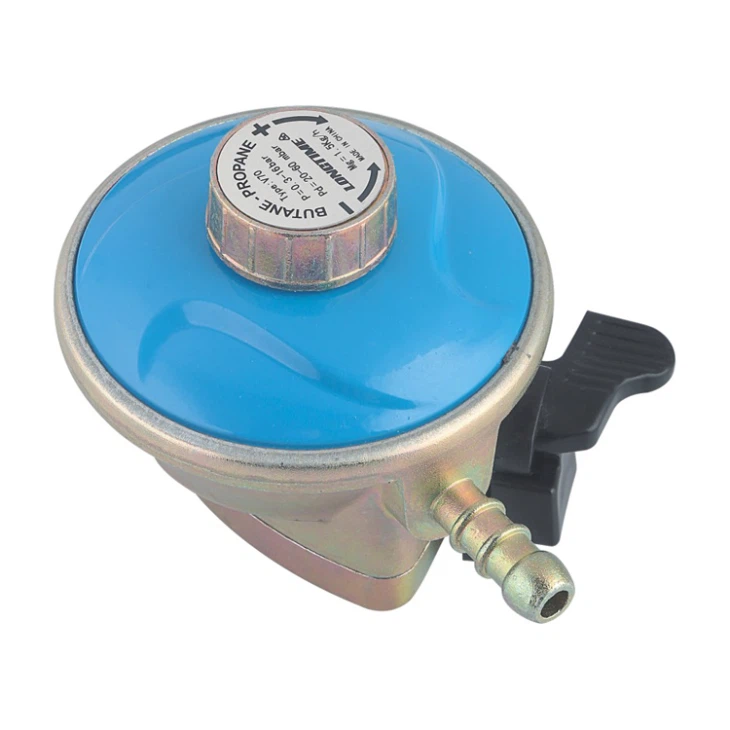
First things first, let's quickly go over what an LPG pressure regulator does. In simple terms, it controls the pressure of the liquefied petroleum gas (LPG) flowing from the gas tank to your appliances. It ensures that the gas reaches your stove, heater, or whatever device you're using at a safe and consistent pressure.
Common Symptoms of a Faulty Regulator
Before we get into the troubleshooting steps, let's talk about the signs that your regulator might be acting up.

- Inconsistent Flame: If you notice that the flame on your gas stove is flickering or uneven, it could be a sign of a pressure problem. A good flame should be blue and steady.
- Low Heat Output: Your gas appliances might not be heating up as they should. This could mean that the regulator isn't allowing enough gas to flow through.
- Hissing Sounds: A hissing noise near the regulator is a clear indication of a gas leak. This is a serious issue that needs immediate attention.
- High Pressure: Sometimes, the regulator can fail to reduce the pressure properly, leading to high pressure in the system. This can be dangerous and may cause damage to your appliances.
Troubleshooting Steps
Step 1: Visual Inspection
The first thing you should do is give the regulator a good visual once - over. Look for any signs of damage, such as cracks, dents, or corrosion. Check the connections to make sure they're tight and there are no loose fittings. If you see any obvious damage, it's likely time to replace the regulator. You can find a great selection of Gas Tank Regulator on our website.
Step 2: Check for Blockages
Blockages can prevent the proper flow of gas through the regulator. Start by disconnecting the regulator from the gas tank and the appliance. Use a small brush or compressed air to clean out any debris from the inlet and outlet ports. Make sure there are no obstructions in the internal passages.
Step 3: Test the Pressure
To test the pressure, you'll need a pressure gauge. Connect the gauge to the outlet of the regulator and turn on the gas supply. Check the reading on the gauge. The pressure should be within the recommended range for your specific regulator and appliances. If the pressure is too high or too low, the regulator might need adjustment or replacement. You can find reliable Gas Pressure Regulator on our site that are designed to maintain accurate pressure.
Step 4: Check the Diaphragm
The diaphragm is a crucial part of the regulator that helps control the pressure. A damaged or worn - out diaphragm can cause pressure problems. Carefully remove the regulator cover and inspect the diaphragm for any signs of tears or damage. If you find any issues, replace the diaphragm.
Step 5: Look for Leaks
As mentioned earlier, a gas leak is a serious problem. To check for leaks, you can use a solution of soapy water. Apply the soapy water to all the connections and fittings around the regulator. If you see bubbles forming, it means there's a leak. Tighten the connections or replace any faulty seals.
Specific Issues with Low - Pressure Regulators
If you're using a Low Pressure Butane Gas Regulator, there are some additional things to keep in mind.
Frost Build - Up
Low - pressure regulators can sometimes develop frost on the outside. This is usually caused by the rapid expansion of the gas as it passes through the regulator. While a little frost is normal, excessive frost can indicate a problem. It could mean that the regulator is not working efficiently or that there's a blockage.
Temperature Sensitivity
Low - pressure regulators can be more sensitive to temperature changes. In cold weather, the performance of the regulator might be affected. Make sure the regulator is properly insulated and protected from extreme cold.
When to Replace the Regulator
If you've gone through all the troubleshooting steps and still can't fix the problem, it's probably time to replace the regulator. Also, if the regulator is old or has been damaged severely, it's better to replace it for safety reasons.
Conclusion
Troubleshooting an LPG pressure regulator might seem like a daunting task, but with a little knowledge and the right tools, you can do it yourself. Remember to always follow safety procedures when working with gas. If you're unsure about anything, it's best to consult a professional.
As a leading supplier of LPG pressure regulators, we're here to help you with all your gas regulator needs. Whether you're looking for a replacement regulator or need advice on troubleshooting, we've got you covered. If you're interested in purchasing our high - quality regulators, feel free to reach out to us for a quote and start a procurement discussion. We're confident that our products will meet your requirements and keep your gas systems running smoothly.
References
- Industry standards for LPG pressure regulators
- Manufacturer's manuals for LPG pressure regulators


