


Hey there! As a supplier of 30 PSI Propane Regulators, I've seen my fair share of issues with high pressure. In this blog, I'll walk you through how to troubleshoot high pressure from a 30 PSI propane regulator.
Understanding the Basics
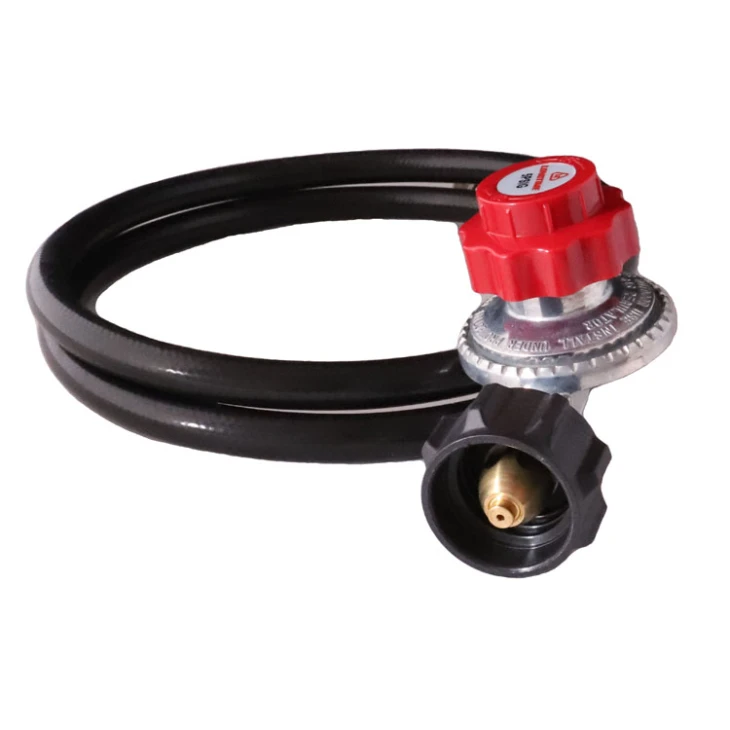
First off, let's talk about what a 30 PSI propane regulator does. It's designed to control the pressure of propane gas coming from a propane tank. The "30 PSI" means it's supposed to keep the pressure at 30 pounds per square inch. When you start getting high pressure, it can cause all sorts of problems, like appliances not working properly or even safety hazards.
Signs of High Pressure
So, how do you know if you've got high pressure from your 30 PSI propane regulator? Here are some common signs:
- Appliance Issues: If your propane - powered appliances, like a grill or a heater, are acting up. They might be burning too hot, or the flame might be too large and unsteady.
- Pressure Gauge Reading: If you have a pressure gauge installed downstream of the regulator, and it's showing a pressure higher than 30 PSI, that's a clear sign.
- Strange Noises: You might hear hissing or other strange noises coming from the regulator or the gas lines. This could indicate that the gas is flowing at an abnormal pressure.
Troubleshooting Steps
1. Check the Propane Tank
The first thing you should do is take a look at the propane tank. Sometimes, the problem isn't with the regulator at all.
- Tank Valve: Make sure the tank valve is fully open but not over - tightened. A partially open valve can cause pressure fluctuations.
- Tank Level: A nearly empty tank can sometimes cause issues. If the tank is low on propane, it might not be able to maintain a steady pressure. In some cases, a low - level tank can cause the regulator to work harder and potentially lead to high pressure readings.
2. Inspect the Regulator for Physical Damage
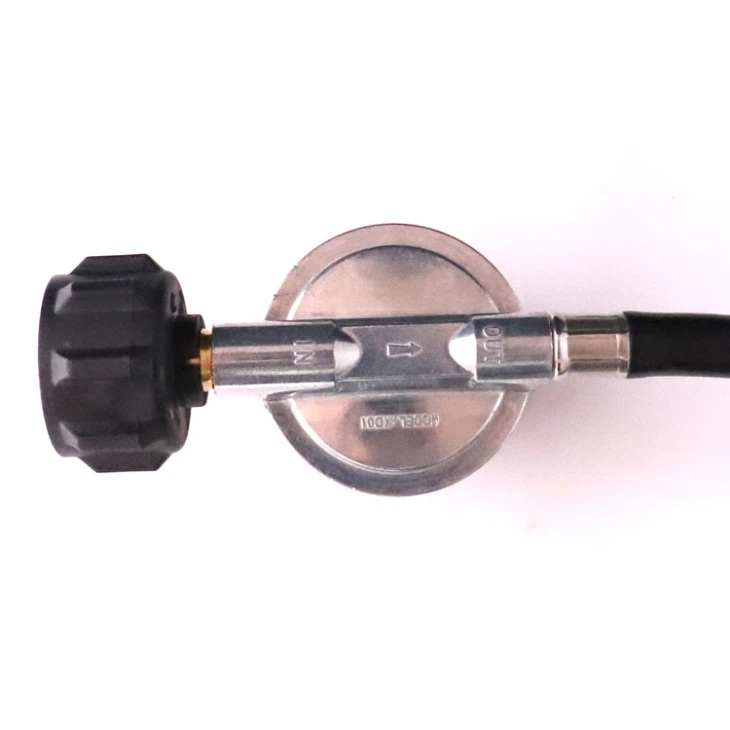
Give the 30 PSI propane regulator a good visual inspection.
- Cracks or Leaks: Look for any cracks in the regulator body. You can use a soapy water solution to check for leaks. Apply the soapy water to the connections and the body of the regulator. If you see bubbles forming, that means there's a leak. A leak can disrupt the normal pressure - regulating function of the regulator.
- Diaphragm Damage: The diaphragm inside the regulator is a crucial part. If it's damaged, it won't be able to regulate the pressure properly. Unfortunately, checking the diaphragm usually requires opening the regulator, which should only be done if you're experienced or if you follow the manufacturer's instructions carefully.
3. Check the Gas Lines
The gas lines that connect the propane tank to the regulator and the appliances can also be a source of problems.
- Kinks or Blockages: Inspect the gas lines for any kinks or blockages. A kinked line can restrict the flow of gas and cause pressure build - up upstream of the kink.
- Line Size: Make sure the gas lines are the correct size for your setup. Using lines that are too small can cause high pressure issues.
4. Reset the Regulator
Sometimes, the regulator just needs a little reset.
- Shut Off the Tank Valve: First, turn off the valve on the propane tank.
- Relieve the Pressure: Open the valves on your propane appliances to let any remaining gas out of the lines. This will relieve the pressure in the system.
- Wait a Few Minutes: Let the system sit for a few minutes to ensure that all the pressure is released.
- Turn On the Tank Valve Slowly: Once you've waited, slowly turn on the tank valve. This can sometimes reset the regulator and get it back to working properly.
5. Calibration
If all else fails, the regulator might need to be calibrated. This is a more technical process and might require a professional. However, if you're comfortable doing it yourself, here are the general steps:
- Use a Pressure Gauge: You'll need a reliable pressure gauge. Connect it downstream of the regulator to measure the pressure accurately.
- Adjust the Regulator: Most regulators have an adjustment screw. Turning the screw clockwise usually increases the pressure, and turning it counter - clockwise decreases it. Make small adjustments and check the pressure gauge after each adjustment until you get it to 30 PSI.
When to Replace the Regulator
If you've tried all the troubleshooting steps and you're still getting high pressure, it might be time to replace the regulator. Here are some signs that a replacement is necessary:
- Persistent High Pressure: If, after all your efforts, the pressure remains above 30 PSI.
- Visible and Severe Damage: If the regulator has significant cracks, or the diaphragm is severely damaged.
- Old Age: Regulators have a limited lifespan. If your regulator is several years old, it might be more prone to malfunction.
Other Related Regulators
If you're in the market for different pressure regulators, we also offer a 5 PSI Gas Regulator. It's suitable for applications where a lower pressure is required. And of course, our 30 PSI Propane Regulator and 30 PSI Gas Regulator are designed to meet your high - pressure propane needs.
Contact Us for Purchase and Consultation
If you're facing issues with your propane regulator or are interested in purchasing a new one, don't hesitate to reach out. We're here to help you find the right solution for your propane - related needs. Whether you need advice on troubleshooting or want to discuss a bulk purchase, we're just a message away.
References
- Propane Education & Research Council. "Propane Safety and Handling."
- Manufacturer's manuals for 30 PSI propane regulators.


