


As a supplier of LPG pressure regulators, I've encountered numerous inquiries from customers about the noise issues associated with these devices. In this blog, I'll delve into the various reasons behind a noisy LPG pressure regulator, providing you with a comprehensive understanding of the problem.
1. Internal Component Wear and Tear
One of the primary reasons for a noisy LPG pressure regulator is the wear and tear of its internal components. Over time, the diaphragm, springs, and valves inside the regulator can degrade due to continuous use, exposure to varying pressure levels, and the corrosive nature of LPG. When these components wear out, they may not function as smoothly as they should, leading to vibrations and rattling noises.
For instance, a worn - out diaphragm may not be able to maintain a consistent seal, causing gas to leak or flow irregularly through the regulator. This irregular flow can create turbulence, which in turn generates noise. Similarly, a weakened spring may not provide the correct amount of tension, resulting in unstable pressure regulation and noise.
2. High Gas Flow Rate
Another common cause of noise in an LPG pressure regulator is a high gas flow rate. When the demand for gas is too high, the regulator has to work harder to maintain the appropriate pressure. This can cause the gas to flow through the regulator at a much faster pace than it was designed for.
As the gas rushes through the narrow passages and orifices in the regulator, it creates a whistling or hissing sound. This is especially true if the regulator is not sized correctly for the application. For example, if a small - capacity regulator is used in a system with a high - demand appliance, such as a large industrial burner, the high gas flow rate will likely lead to excessive noise.
3. Pressure Fluctuations
Pressure fluctuations in the LPG supply can also contribute to a noisy regulator. These fluctuations can occur due to various factors, such as changes in the ambient temperature, the level of gas in the cylinder, or problems with the upstream gas supply system.
When the pressure in the supply line suddenly increases or decreases, the regulator has to adjust quickly to maintain the set output pressure. This rapid adjustment can cause the internal components of the regulator to move abruptly, resulting in noise. For example, a sudden spike in pressure can cause the diaphragm to flex rapidly, creating a clicking or popping sound.
4. Contamination
Contamination of the LPG or the regulator itself can be a significant factor in a noisy regulator. Dirt, debris, or moisture can enter the regulator through the gas inlet orifice or other openings. This contamination can interfere with the proper functioning of the internal components.
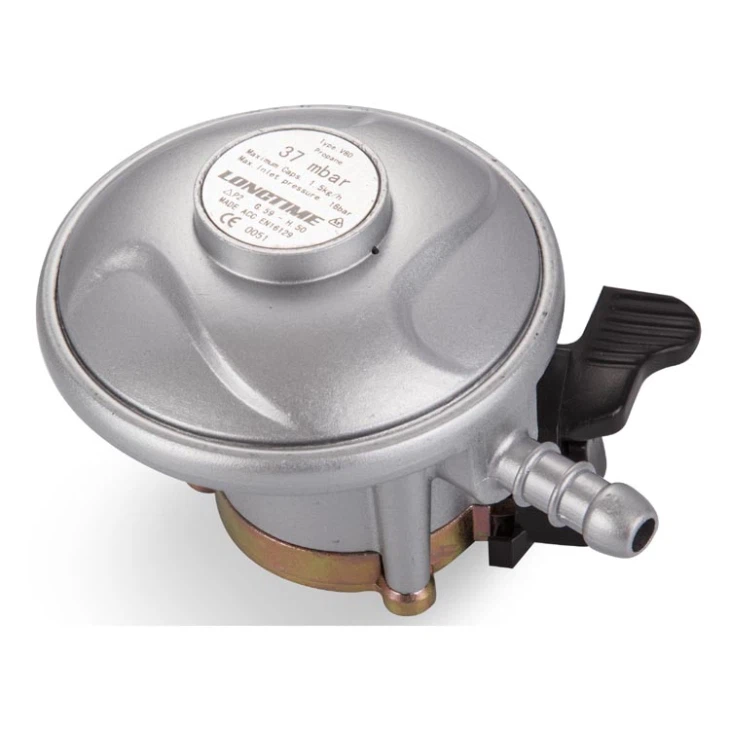

For example, dirt particles can get stuck in the valve seats, preventing them from closing properly. This can lead to gas leakage and irregular gas flow, which in turn produces noise. Moisture can also cause corrosion of the metal components inside the regulator, further exacerbating the problem.
5. Installation Issues
Incorrect installation of the LPG pressure regulator can also lead to noise problems. If the regulator is not installed level or is not properly secured, it can vibrate during operation. This vibration can be transmitted to the surrounding pipes and structures, amplifying the noise.
Additionally, if the connections between the regulator and the gas supply line or the appliance are not tight, gas can leak at these joints. The escaping gas can create a hissing sound, which is often mistaken for noise coming from the regulator itself.
6. Design and Manufacturing Defects
In some cases, the noise in an LPG pressure regulator can be attributed to design or manufacturing defects. A poorly designed regulator may have internal passages that are too narrow or have sharp edges, which can cause excessive turbulence and noise. Manufacturing defects, such as uneven machining of the components or improper assembly, can also lead to sub - optimal performance and noise.
Solutions and Recommendations
If you're experiencing noise issues with your LPG pressure regulator, here are some steps you can take:
- Inspect and Replace Worn Components: Regularly inspect the regulator for signs of wear and tear. If you notice any damaged or worn - out components, such as a torn diaphragm or a weak spring, replace them immediately.
- Check the Gas Flow Rate: Ensure that the regulator is sized correctly for your application. If the gas flow rate is too high, consider upgrading to a larger - capacity regulator.
- Stabilize the Pressure: Try to minimize pressure fluctuations in the gas supply. This can be achieved by using a pressure stabilizer or ensuring that the gas cylinder is properly maintained.
- Clean the Regulator: If contamination is suspected, clean the regulator thoroughly using a suitable cleaning agent. Make sure to follow the manufacturer's instructions when cleaning.
- Verify the Installation: Check the installation of the regulator to ensure that it is level and properly secured. Tighten any loose connections to prevent gas leakage.
As a reliable supplier of LPG pressure regulators, we offer a wide range of high - quality products, including the Low Pressure Butane Regulator, Residential Gas Regulator, and LPG Cylinder Regulator. Our regulators are designed and manufactured to meet the highest standards of quality and performance, minimizing the risk of noise and other issues.
If you're facing problems with your LPG pressure regulator or are looking to purchase a new one, we encourage you to contact us for a detailed discussion. Our team of experts is always ready to assist you in finding the right solution for your specific needs.
References
- "LPG Equipment Handbook" - A comprehensive guide on LPG equipment, including pressure regulators.
- Industry standards and guidelines for LPG pressure regulators.


