


A 10 PSI propane regulator plays a crucial role in ensuring the safe and efficient operation of propane - powered appliances. As a supplier of 10 PSI propane regulators, I've encountered various situations where these regulators malfunction. Understanding the signs of a faulty 10 PSI propane regulator is essential for both end - users and those in the industry.
1. Inconsistent Pressure Output
One of the most prominent signs of a faulty 10 PSI propane regulator is inconsistent pressure output. A well - functioning regulator should maintain a steady 10 pounds per square inch (PSI) of pressure. When the regulator starts to fail, the pressure can fluctuate. You might notice that sometimes the propane flow is too high, causing appliances to burn with a large, noisy flame. This can be a significant safety hazard as high - pressure propane can lead to overheating and potentially cause a fire.
On the other hand, low pressure can also be an issue. If the pressure drops below the required 10 PSI, appliances may not function properly. For example, a propane - powered stove may have a weak flame, resulting in uneven cooking. In some cases, the appliance may not ignite at all. Inconsistent pressure can be due to internal wear and tear of the regulator's diaphragm or valve components. Over time, these parts can become damaged or worn, leading to improper pressure regulation.
2. Leaking Propane
Propane is a highly flammable gas, and any sign of leakage is a serious concern. A faulty 10 PSI propane regulator may develop leaks around its connections or through cracks in the body. You can detect a propane leak by using a soapy water solution. Apply the solution to the regulator's fittings and connections. If there are bubbles forming, it indicates a leak.
Another way to detect a propane leak is by its distinct odor. Propane has an added odorant, similar to the smell of rotten eggs, to make leaks detectable. If you smell this odor near the regulator, it's a clear sign that there is a problem. Leaks can occur due to damaged seals, loose fittings, or corrosion of the regulator's components. A small leak can quickly turn into a dangerous situation, so it's important to address it immediately.
3. Unusual Noises
When a 10 PSI propane regulator is functioning correctly, it operates quietly. However, a faulty regulator may produce unusual noises. You might hear a hissing sound, which is often an indication of a propane leak. The hissing occurs as the gas escapes from the regulator at an abnormal rate.
In some cases, you may also hear a rattling or vibrating noise. This can be caused by loose internal parts within the regulator. As the propane flows through the regulator, the loose parts can move around, creating these noises. Unusual noises are a sign that the internal components of the regulator are not working as they should and may require immediate attention.
4. Appliance Performance Issues
As mentioned earlier, a faulty regulator can have a direct impact on the performance of propane - powered appliances. Besides inconsistent flame size and ignition problems, you may also notice other issues. For example, if you have a propane - powered heater, it may not produce enough heat. This is because the low or inconsistent pressure from the faulty regulator is not providing the heater with an adequate supply of propane.
In the case of a Turkey Fryer Propane Regulator, a faulty 10 PSI regulator can prevent the fryer from reaching and maintaining the correct cooking temperature. This can lead to undercooked or overcooked food. If you experience multiple appliance performance issues that seem to be related to the propane supply, it's likely that the regulator is the problem.
5. Excessive Frost Build - Up
Frost build - up on the 10 PSI propane regulator can be a sign of a malfunction. When propane expands as it passes through the regulator, it cools down. Under normal circumstances, there may be a small amount of frost, but excessive frost indicates a problem.
Excessive frost can be due to a high flow rate of propane through the regulator. This can happen if the regulator is not properly controlling the pressure, allowing too much propane to pass through at once. Another cause could be a blockage in the regulator, which can cause the propane to expand more rapidly and cool down the regulator to an abnormal degree. Frost build - up can also damage the regulator's components over time, further exacerbating the problem.
6. Visible Damage
Inspecting the regulator for visible damage is a simple yet effective way to determine if it's faulty. Look for cracks, dents, or signs of corrosion on the regulator's body. Cracks can allow propane to leak out, while dents can affect the internal components' alignment and functionality.
Corrosion is another common issue, especially in areas with high humidity or where the regulator is exposed to harsh environmental conditions. Corrosion can weaken the regulator's structure and cause internal parts to malfunction. If you notice any visible damage, it's advisable to replace the regulator immediately.
7. Difficulty in Adjusting the Regulator
A 10 PSI propane regulator may have an adjustment mechanism to fine - tune the pressure. If you find it difficult to adjust the regulator or if the adjustment has no effect on the pressure, it's a sign of a problem. This could be due to a stuck valve or a damaged adjustment screw.
In some cases, the internal components may be so worn that they no longer respond to the adjustment. Difficulty in adjusting the regulator means that you cannot maintain the correct propane pressure, which can lead to all the previously mentioned issues with appliance performance and safety.
Importance of Addressing a Faulty Regulator
Ignoring the signs of a faulty 10 PSI propane regulator can have serious consequences. Propane is a dangerous gas, and a malfunctioning regulator can increase the risk of fires, explosions, and carbon monoxide poisoning. In addition to safety concerns, a faulty regulator can also lead to increased energy consumption and damage to propane - powered appliances.
If you suspect that your 10 PSI propane regulator is faulty, it's important to replace it as soon as possible. As a supplier of high - quality 10 PSI propane regulators, we offer a range of reliable products that meet industry standards. Our regulators are designed to provide consistent pressure output, ensuring the safe and efficient operation of your propane - powered appliances.
Conclusion
Recognizing the signs of a faulty 10 PSI propane regulator is crucial for the safety and proper functioning of propane - powered systems. Whether it's inconsistent pressure, leaks, unusual noises, or visible damage, these signs should not be ignored. If you are experiencing any of these issues, it's time to consider replacing your regulator.
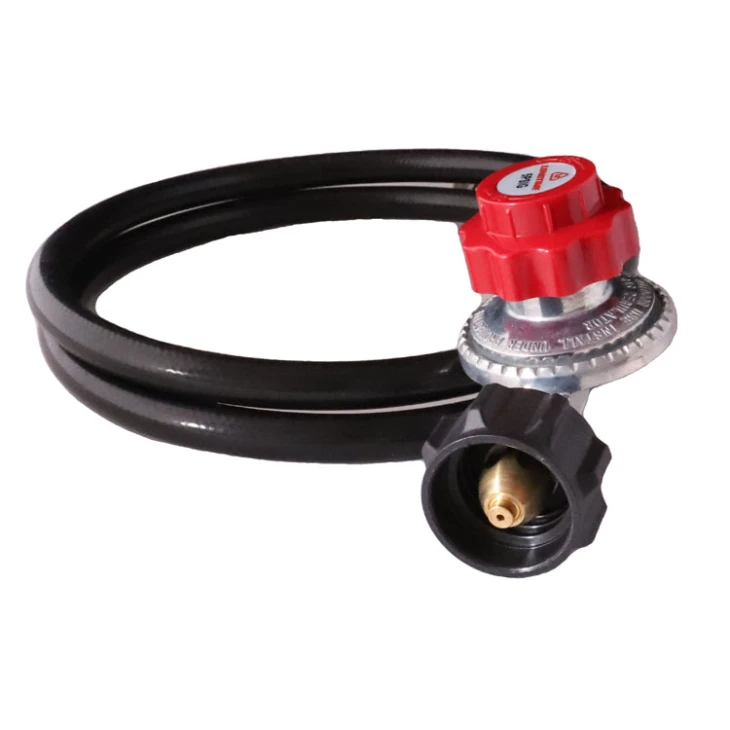

We understand the importance of having a reliable propane regulator, and we are committed to providing you with the best products. If you are in the market for a new 10 PSI propane regulator or have any questions about our products, please feel free to contact us for procurement and further discussions. We also offer other types of regulators, such as the 20 PSI Gas Regulator and 30 PSI RV Propane Regulator, to meet your specific needs.
References
- "Propane Safety Handbook" by the Propane Education & Research Council
- "Gas Appliance Service and Installation Manual" by various industry experts
- Manufacturer's documentation for 10 PSI propane regulators


