


What is a residential gas regulator? As a supplier of residential gas regulators, I'm often asked this question. In this blog post, I'll delve into the details of what a residential gas regulator is, how it works, its importance, and the different types available.
Understanding the Basics of a Residential Gas Regulator
A residential gas regulator is a crucial device in any home that uses natural gas or propane for heating, cooking, or other purposes. Its primary function is to control the pressure of the gas flowing from the supply source to the various appliances in the house. Without a properly functioning gas regulator, the gas pressure could be too high or too low, which can lead to a variety of problems, including inefficient appliance operation, safety hazards, and even damage to the appliances themselves.
How Does a Residential Gas Regulator Work?
The basic principle behind a gas regulator is relatively simple. It consists of a diaphragm, a spring, and a valve. The diaphragm is a flexible membrane that separates two chambers within the regulator. On one side of the diaphragm is the gas inlet, where the high-pressure gas from the supply source enters. On the other side is the gas outlet, which leads to the appliances.
The spring exerts a force on the diaphragm, which in turn controls the position of the valve. When the gas pressure on the inlet side is too high, the diaphragm is pushed upwards, compressing the spring and closing the valve slightly. This reduces the flow of gas and lowers the pressure on the outlet side. Conversely, when the gas pressure on the inlet side is too low, the diaphragm is pushed downwards by the spring, opening the valve wider and allowing more gas to flow through, thus increasing the pressure on the outlet side.
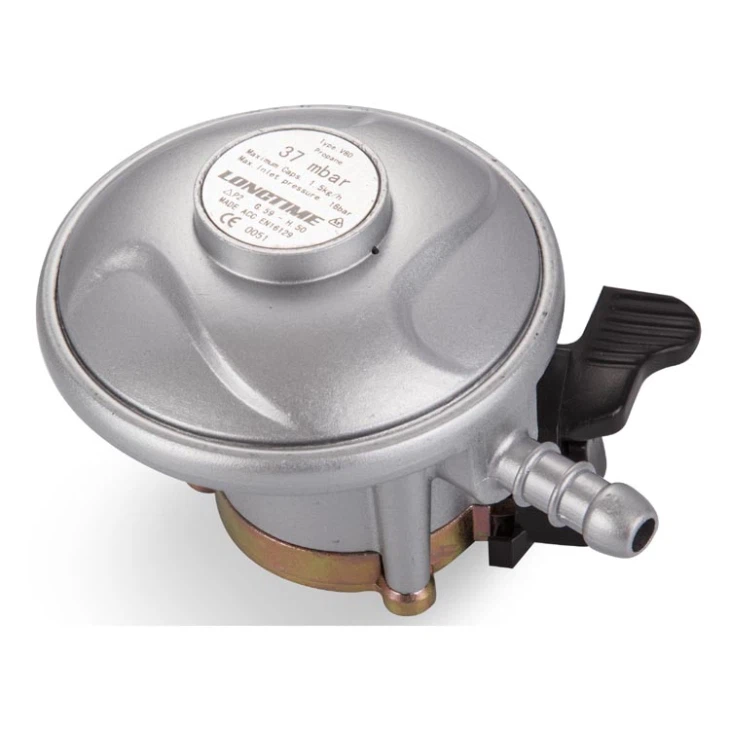

This continuous adjustment ensures that the gas pressure remains at a safe and consistent level, regardless of fluctuations in the supply pressure or the demand from the appliances.
The Importance of a Residential Gas Regulator
The importance of a residential gas regulator cannot be overstated. Here are some of the key reasons why it is essential for every home that uses gas:
Safety
One of the most critical functions of a gas regulator is to prevent overpressure situations. If the gas pressure is too high, it can cause leaks, explosions, or fires. A properly functioning regulator ensures that the gas pressure remains within safe limits, protecting the occupants of the home and the property itself.
Appliance Performance
Gas appliances are designed to operate at a specific pressure. If the gas pressure is too low, the appliances may not function properly, resulting in inefficient heating, cooking, or other operations. On the other hand, if the gas pressure is too high, it can damage the appliances, leading to costly repairs or replacements. A gas regulator ensures that the appliances receive the correct amount of gas at the right pressure, maximizing their performance and lifespan.
Energy Efficiency
By maintaining a consistent gas pressure, a regulator helps to optimize the energy efficiency of the appliances. When the appliances operate at the correct pressure, they consume less gas, reducing energy costs and minimizing environmental impact.
Types of Residential Gas Regulators
There are several types of residential gas regulators available, each designed for specific applications and gas sources. Here are some of the most common types:
Single-Stage Regulators
Single-stage regulators are the simplest and most commonly used type of gas regulator. They are designed to reduce the high-pressure gas from the supply source to a lower, constant pressure in a single step. Single-stage regulators are suitable for applications where the gas demand is relatively constant and the supply pressure does not fluctuate significantly.
Two-Stage Regulators
Two-stage regulators are more complex and provide a more precise control of the gas pressure. They consist of two separate regulating stages, which work together to reduce the gas pressure in two steps. The first stage reduces the high-pressure gas from the supply source to an intermediate pressure, while the second stage further reduces the intermediate pressure to the final pressure required by the appliances. Two-stage regulators are ideal for applications where the gas demand varies widely or the supply pressure is subject to significant fluctuations.
Automatic Changeover Regulators
Automatic changeover regulators are used in systems that have two or more gas cylinders or tanks. They automatically switch from one cylinder or tank to another when the first one is empty, ensuring a continuous supply of gas without the need for manual intervention. Automatic changeover regulators are commonly used in homes that rely on propane gas for heating or cooking.
Choosing the Right Residential Gas Regulator
When choosing a residential gas regulator, there are several factors to consider, including the type of gas source, the gas demand of the appliances, and the required pressure range. It is also important to choose a regulator that is certified by a recognized testing agency, such as UL (Underwriters Laboratories) or CSA (Canadian Standards Association), to ensure its safety and performance.
As a supplier of residential gas regulators, we offer a wide range of products to meet the diverse needs of our customers. Whether you need a single-stage regulator for a small home or a two-stage regulator for a large commercial building, we have the right solution for you. Our products are manufactured to the highest quality standards and are backed by our commitment to customer satisfaction.
Where to Find Residential Gas Regulators
If you are in the market for a residential gas regulator, you can find a variety of options online. We offer a comprehensive selection of Residential Gas Regulator on our website, including LPG Cylinder Regulator and Gas Tank Regulator. Our knowledgeable customer service team is available to assist you in choosing the right regulator for your specific needs.
Contact Us for Procurement and Negotiation
If you are interested in purchasing our residential gas regulators, we encourage you to contact us for procurement and negotiation. Our team of experts will work with you to understand your requirements and provide you with a competitive quote. We are committed to providing high-quality products at affordable prices and excellent customer service.
References
- "Gas Regulators: A Guide to Understanding and Selecting the Right One." Gas Appliance Manufacturers Association.
- "Residential Gas Systems." National Fire Protection Association.
- "Gas Regulator Basics." American Gas Association.


