


When it comes to propane systems, the propane tank Y splitter plays a crucial role in distributing propane from a single tank to multiple appliances or devices. As a dedicated supplier of Propane Tank Y Splitters, I understand the importance of various aspects of these products, including their chemical resistance. In this blog, we will delve into what chemical resistance means for a propane tank Y splitter, why it matters, and how it impacts the overall performance and safety of your propane setup.
Understanding Chemical Resistance
Chemical resistance refers to the ability of a material to withstand the effects of exposure to various chemicals without significant degradation or damage. In the context of a propane tank Y splitter, this means that the splitter should be able to resist the corrosive effects of propane itself, as well as any other chemicals that it may come into contact with during its use.
Propane is a hydrocarbon gas that is relatively stable under normal conditions. However, it can contain small amounts of impurities such as sulfur compounds, which can react with the materials of the Y splitter over time. Additionally, the Y splitter may be exposed to other chemicals in the environment, such as moisture, oxygen, and various cleaning agents. These chemicals can potentially cause corrosion, oxidation, or other forms of damage to the splitter, which can compromise its functionality and safety.
Materials Used in Propane Tank Y Splitters and Their Chemical Resistance
Propane tank Y splitters are typically made from a variety of materials, each with its own unique chemical resistance properties. Some of the most common materials used include:
- Brass: Brass is a popular choice for propane tank Y splitters due to its good corrosion resistance and mechanical strength. It is an alloy of copper and zinc, and the addition of other elements such as lead can improve its machinability. Brass is generally resistant to the corrosive effects of propane and many other chemicals, but it can be susceptible to dezincification in the presence of certain aggressive environments, such as high - chloride or acidic solutions.
- Stainless Steel: Stainless steel is another commonly used material for propane tank Y splitters. It offers excellent corrosion resistance, especially in harsh environments. Stainless steel contains chromium, which forms a passive oxide layer on the surface of the metal, protecting it from further corrosion. Different grades of stainless steel have different levels of chemical resistance, with higher - grade stainless steels being more resistant to a wider range of chemicals.
- Plastic: Some propane tank Y splitters are made from plastic materials. Plastic can be a cost - effective option, and it offers good chemical resistance to many chemicals. However, not all plastics are suitable for use with propane. Certain plastics may be attacked by propane or other chemicals, leading to swelling, cracking, or other forms of degradation. It is important to choose a plastic that is specifically designed for use with propane and has the appropriate chemical resistance properties.
Importance of Chemical Resistance in Propane Tank Y Splitters
The chemical resistance of a propane tank Y splitter is of utmost importance for several reasons:
- Safety: A Y splitter with poor chemical resistance can develop leaks over time due to corrosion or other forms of damage. Propane is a flammable gas, and any leaks can pose a significant safety hazard, including the risk of fire or explosion. By ensuring that the Y splitter has good chemical resistance, we can minimize the risk of leaks and ensure the safety of the propane system.
- Longevity: A chemically resistant Y splitter will last longer than one that is not. Corrosion and other forms of chemical damage can weaken the structure of the splitter, leading to premature failure. By using a Y splitter with good chemical resistance, we can extend its service life and reduce the need for frequent replacements.
- Performance: A damaged Y splitter may not function properly, leading to issues such as uneven propane distribution or reduced flow rates. This can affect the performance of the appliances or devices connected to the propane system. Good chemical resistance helps to maintain the integrity of the splitter and ensures consistent and reliable performance.
Factors Affecting Chemical Resistance
Several factors can affect the chemical resistance of a propane tank Y splitter:
- Chemical Composition of the Environment: The types of chemicals present in the environment where the Y splitter is used can have a significant impact on its chemical resistance. For example, if the Y splitter is exposed to high levels of moisture or salt, it may be more prone to corrosion.
- Temperature and Pressure: Higher temperatures and pressures can accelerate chemical reactions and increase the rate of corrosion. Propane systems often operate at elevated pressures, and in some cases, at high temperatures. These conditions can put additional stress on the Y splitter and reduce its chemical resistance.
- Duration of Exposure: The longer the Y splitter is exposed to chemicals, the greater the likelihood of damage. Continuous exposure to corrosive chemicals can gradually wear away the protective layers of the splitter and cause it to fail.
Maintaining Chemical Resistance
To ensure the long - term chemical resistance of a propane tank Y splitter, proper maintenance is essential. Here are some tips:
- Regular Inspection: Inspect the Y splitter regularly for signs of corrosion, damage, or leaks. Look for discoloration, pitting, or any other visible signs of deterioration. If any issues are detected, replace the splitter immediately.
- Cleaning: Clean the Y splitter periodically using a mild, non - abrasive cleaner. Avoid using harsh chemicals that may damage the splitter. After cleaning, dry the splitter thoroughly to prevent moisture from causing corrosion.
- Proper Installation: Ensure that the Y splitter is installed correctly according to the manufacturer's instructions. Improper installation can lead to stress on the splitter, which can increase the risk of damage and reduce its chemical resistance.
Related Products and Their Role in the Propane System
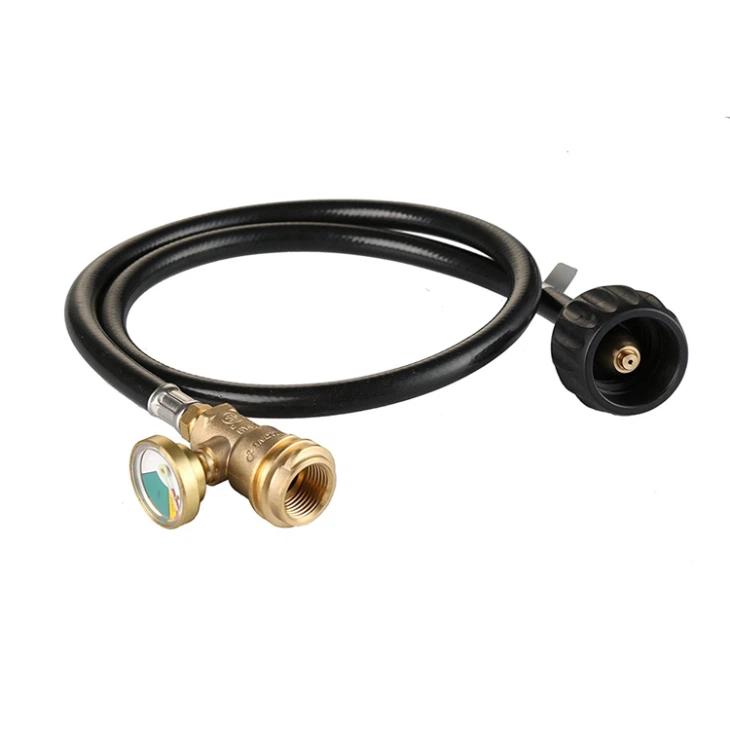
In addition to propane tank Y splitters, there are other related products that are important in a propane system. For example, Propane Tank Gauge helps you monitor the level of propane in the tank, allowing you to know when it's time to refill. Propane Quick Connectors W/Ball Valve and Propane Quick Connectors W/o Ball Valve are used to connect and disconnect appliances from the propane system easily and safely. These products also need to have good chemical resistance to ensure the overall reliability and safety of the propane system.

Conclusion
In conclusion, the chemical resistance of a propane tank Y splitter is a critical factor that determines its safety, longevity, and performance. As a supplier, we are committed to providing high - quality Y splitters made from materials with excellent chemical resistance. By understanding the importance of chemical resistance, the materials used, and the factors affecting it, you can make informed decisions when choosing a propane tank Y splitter for your needs.
If you are in the market for a reliable propane tank Y splitter or any of the related products, we invite you to contact us for a detailed discussion. Our team of experts is ready to assist you in finding the right solutions for your propane system. Whether you are a homeowner, a business owner, or a contractor, we have the products and knowledge to meet your requirements. Let's work together to ensure the safety and efficiency of your propane setup.
References
- ASTM International standards on materials for propane system components
- Manufacturer's specifications for propane tank Y splitters
- Industry research on the chemical properties of propane and its impact on materials


