


Hey there! As a propane connector supplier, I often get asked about the weight of a typical propane connector. It might seem like a simple question, but there's actually quite a bit to unpack here.
First off, let's talk about what a propane connector is. It's a crucial piece of equipment that allows you to safely connect your propane tank to whatever device you're using, whether it's a grill, a heater, or a generator. Without a proper connector, you can't get that sweet, clean - burning propane flowing where it needs to go.
Now, the weight of a propane connector can vary quite a bit depending on several factors. One of the biggest factors is the material it's made from. Propane connectors can be made from different materials, each with its own weight characteristics.
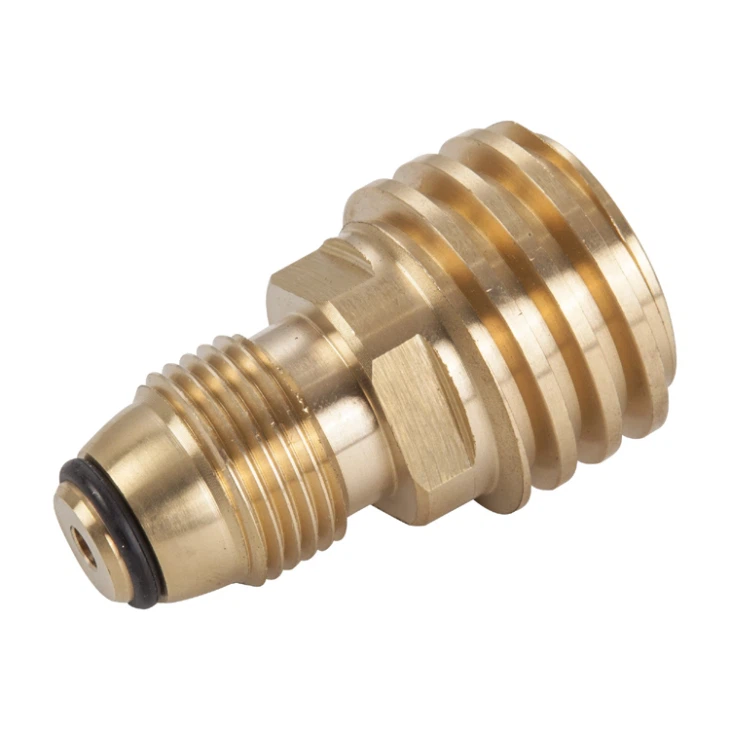
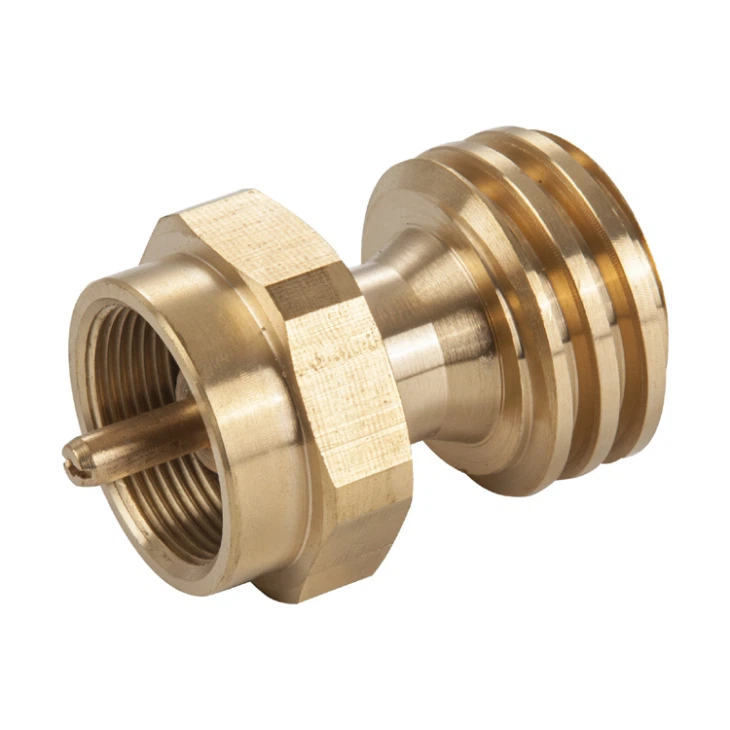
For example, some connectors are made from brass. Brass is a popular choice because it's durable, resistant to corrosion, and has good heat - conducting properties. A typical brass propane connector can weigh anywhere from a few ounces to a pound or more, depending on its size and design. Smaller, more basic brass connectors might weigh around 4 - 6 ounces, while larger, more heavy - duty ones could tip the scales at 12 ounces or more.
On the other hand, there are also connectors made from stainless steel. Stainless steel is even more resistant to corrosion than brass, which makes it a great option for outdoor use or in harsh environments. However, stainless steel is generally a bit heavier than brass. A stainless - steel propane connector could weigh anywhere from 8 ounces to 1.5 pounds. The added weight comes from the density of the stainless - steel material, but it also provides extra strength and longevity.
Another factor that affects the weight is the length of the connector. Longer connectors will naturally weigh more than shorter ones. A short propane connector, say around 18 inches in length, will be lighter compared to a 3 - foot or 6 - foot long connector. The additional material required to make the longer connector adds to its overall weight.
The design of the connector also plays a role. Some connectors come with additional features like built - in regulators or safety valves. These extra components can add a significant amount of weight. For instance, a propane connector with a built - in regulator might weigh 10 - 20% more than a basic connector without one.
Let's take a look at some common types of propane connectors and their approximate weights:
- Basic Propane Hose Connector: This is the most straightforward type of connector. It's usually just a simple hose with fittings on each end. A basic 2 - foot long brass hose connector might weigh around 6 ounces. If it's made of stainless steel, it could weigh around 8 ounces.
- Propane Tank Gauge Connector: A connector that comes with a Propane Tank Gauge is a bit more complex. The gauge itself adds some weight. A 3 - foot long connector with a propane tank gauge could weigh around 10 ounces if it's brass and 12 ounces if it's stainless steel.
- Propane Tank Y Splitter: A Propane Tank Y Splitter allows you to connect two devices to a single propane tank. These are usually a bit heavier because of their design. A brass Y - splitter connector might weigh around 8 ounces, while a stainless - steel one could weigh 10 ounces.
- Propane Tank P.O.L to QCC Adapter: An Propane Tank P.O.L to QCC Adapter is used to convert different types of propane tank connections. These adapters are relatively small but still have some weight. A brass adapter might weigh around 4 ounces, and a stainless - steel one could be 5 ounces.
Why does the weight of a propane connector matter? Well, for one thing, if you're planning to move your propane - powered equipment around a lot, a lighter connector can be more convenient. It's easier to carry and maneuver. On the other hand, if you're setting up a permanent or semi - permanent propane system, the weight might not be as big of a concern. You might be more interested in the durability and reliability of the connector, which could mean going for a heavier, more robust option.
Another reason the weight matters is in terms of shipping. Heavier connectors will cost more to ship, especially if you're ordering in bulk. As a supplier, we have to take this into account when pricing our products and shipping them to our customers.
So, as you can see, there's no one - size - fits - all answer to the question of what the weight of a typical propane connector is. It depends on a variety of factors, and the weight can range from just a few ounces to over a pound.
If you're in the market for propane connectors, whether it's for your home grill, a commercial heating system, or any other propane - powered application, we've got you covered. We offer a wide range of propane connectors in different materials, sizes, and designs to meet your specific needs. Whether you need a lightweight connector for easy portability or a heavy - duty one for long - term use, we can help you find the right product.
If you have any questions about our propane connectors, their weights, or anything else related to propane equipment, don't hesitate to reach out. We're here to assist you in making the best choice for your propane needs. Contact us today to start the conversation and let's work together to get you the perfect propane connectors for your project.
References
- Propane Industry Handbook: A comprehensive guide to propane equipment and safety.
- Manufacturer specifications for various propane connectors.


