


Hey there! As a supplier of 10 PSI propane regulators, I've seen my fair share of issues, and one of the most common complaints I get is about unusual noises coming from these regulators. It can be pretty concerning when your propane regulator starts making strange sounds, but don't worry! In this blog post, I'll walk you through some steps to troubleshoot the problem.
Step 1: Check for Leaks
The first thing you should do when your 10 PSI propane regulator is making unusual noises is to check for leaks. A leak can cause a hissing sound, which might be what you're hearing. To check for leaks, you can use a simple soap and water solution. Mix some dish soap with water in a spray bottle and spray it on all the connections around the regulator, including the hose, fittings, and the regulator itself. If you see bubbles forming, that means there's a leak.
If you find a leak, don't try to fix it yourself if you're not experienced. Propane is a highly flammable gas, and working with it can be dangerous. Instead, turn off the propane supply immediately and call a professional to come and fix the leak.
Step 2: Inspect the Regulator for Damage
Next, take a close look at the regulator for any signs of damage. Look for cracks, dents, or other physical damage. A damaged regulator can cause all sorts of problems, including unusual noises. If you notice any damage, it's best to replace the regulator. You can find a high-quality replacement from our range of 30 PSI RV Propane Regulator or High Pressure Propane Regulator for Forge.
Step 3: Check the Inlet and Outlet Pressure
You'll need a pressure gauge to check the inlet and outlet pressure of the regulator. The inlet pressure should be within the range specified by the manufacturer, usually between 100 - 200 PSI. The outlet pressure should be a steady 10 PSI. If the pressures are off, it could be causing the unusual noises.
If the inlet pressure is too high, it can put too much stress on the regulator, causing it to make noise. You might need to adjust the upstream valve to reduce the pressure. If the outlet pressure is too low or too high, the regulator might be malfunctioning and need to be replaced.
Step 4: Clean the Regulator
Over time, dirt, debris, and even small insects can get into the regulator, causing blockages and making strange noises. You can try cleaning the regulator to see if that solves the problem. First, turn off the propane supply and disconnect the regulator from the propane tank and the appliance.

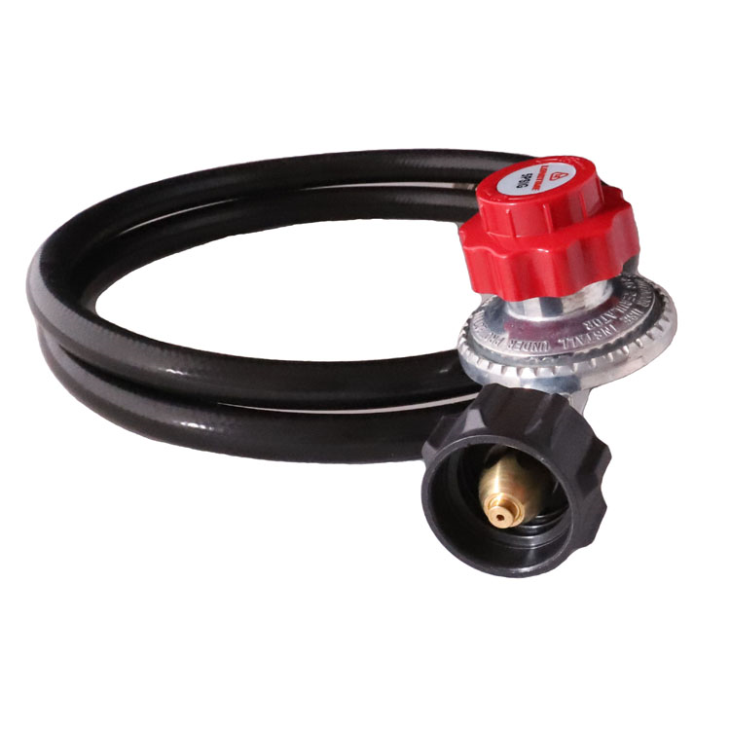
Use a can of compressed air to blow out any dirt or debris from the regulator. Be careful not to damage any of the internal components. You can also use a soft brush to gently clean the outside of the regulator. Once you've cleaned it, reconnect the regulator and turn on the propane supply to see if the noise has stopped.
Step 5: Check the Vent
The regulator has a vent that allows excess pressure to escape. If the vent is blocked, it can cause the regulator to make unusual noises. Check the vent to make sure it's clear of any obstructions. You can use a small wire or a toothpick to gently clear any debris from the vent.
Step 6: Consider the Environment
Sometimes, the environment can cause the regulator to make noise. For example, if the regulator is installed in a windy area, the wind can cause the regulator to vibrate and make noise. You might need to relocate the regulator to a more sheltered area.
Also, extreme temperatures can affect the performance of the regulator. If it's very cold, the propane might not flow properly through the regulator, causing it to make noise. In this case, you might need to insulate the regulator or wait for the temperature to rise.
Step 7: Consult the Manufacturer's Manual
If you've tried all the above steps and the regulator is still making unusual noises, it's a good idea to consult the manufacturer's manual. The manual will have specific troubleshooting steps and information about the regulator. It might also have a list of common problems and solutions.
If you can't find the manual or if you're still having trouble, you can contact the manufacturer's customer support. They'll be able to give you more detailed advice and help you solve the problem.
When to Replace the Regulator
If you've gone through all the troubleshooting steps and the regulator is still making unusual noises, it's probably time to replace it. A malfunctioning regulator can be a safety hazard, so it's important to get it replaced as soon as possible.
We offer a wide range of high-quality propane regulators, including our 20 PSI Gas Regulator. Our regulators are designed to be reliable and long-lasting, so you can have peace of mind knowing that your propane system is working properly.
Conclusion
Troubleshooting a 10 PSI propane regulator that's making unusual noises can be a bit of a hassle, but by following these steps, you should be able to identify and solve the problem. Remember, safety is always the top priority when working with propane. If you're not comfortable doing any of the troubleshooting steps, don't hesitate to call a professional.
If you're in the market for a new propane regulator or need more information about our products, feel free to reach out to us. We're here to help you find the right regulator for your needs and ensure that your propane system is running smoothly. Contact us today to start the procurement process and let's have a great business talk!
References
- Propane Safety Handbook
- Various manufacturer's manuals for propane regulators


