


In the realm of LP gas tank systems, the pressure relief valve within an LP gas tank regulator plays a pivotal and often under - appreciated role. As a leading supplier of LP Gas Tank Regulators, I've witnessed firsthand the significance of this small yet crucial component.
LP gas, commonly known as liquefied petroleum gas, is a highly versatile and efficient energy source used in a wide range of applications, from residential heating and cooking to industrial processes. The LP gas tank regulator is the linchpin that ensures the safe and proper delivery of gas from the tank to the end - use device. At the heart of this regulator is the pressure relief valve, and understanding its functions is essential for anyone involved in the LP gas industry.
1. Over - pressure Protection
The primary function of the pressure relief valve in an LP gas tank regulator is to protect the system from over - pressure situations. LP gas is stored in tanks under high pressure. The pressure inside the tank can vary depending on factors such as temperature. As the temperature rises, the pressure of the LP gas in the tank increases. If the pressure becomes too high, it can pose a serious safety risk, including the potential for tank rupture or explosion.
The pressure relief valve is designed to open at a pre - set pressure level. When the pressure inside the regulator exceeds this threshold, the valve opens, allowing excess gas to escape safely into the atmosphere. This action reduces the pressure within the system, preventing damage to the tank, regulator, and other components. For example, in a hot summer day, the pressure inside an LP gas tank can rise significantly. Without a properly functioning pressure relief valve, the increased pressure could cause the tank to fail catastrophically.
2. System Integrity Maintenance
In addition to over - pressure protection, the pressure relief valve helps maintain the integrity of the entire LP gas system. By preventing excessive pressure build - up, it ensures that all components of the system, such as pipes, hoses, and appliances, are not subjected to pressures beyond their design limits. This not only extends the lifespan of these components but also reduces the likelihood of leaks and other malfunctions.
For instance, if the pressure in the regulator is too high, it can cause seals and gaskets in the system to fail, leading to gas leaks. Gas leaks are not only wasteful but also extremely dangerous, as LP gas is flammable and can form explosive mixtures in the air. The pressure relief valve acts as a safeguard, ensuring that the pressure remains within a safe operating range, thus protecting the integrity of the entire system.
3. Safety Assurance
Safety is of utmost importance in the handling and use of LP gas. The pressure relief valve is a critical safety feature that provides an additional layer of protection for users. In the event of a malfunction in the regulator or other components of the system that could lead to over - pressure, the pressure relief valve acts as a fail - safe mechanism.
Consider a scenario where a blockage occurs in the gas line downstream of the regulator. This blockage can cause the pressure to build up in the regulator. Without a pressure relief valve, the pressure would continue to rise until the system fails. However, the pressure relief valve will open, releasing the excess pressure and preventing a potentially dangerous situation.
4. Compliance with Standards
LP gas systems are subject to strict safety standards and regulations. The inclusion of a pressure relief valve in the LP gas tank regulator is often a requirement to meet these standards. These standards are in place to protect the public and the environment from the hazards associated with LP gas.
By ensuring that our LP Gas Tank Regulators are equipped with reliable pressure relief valves, we are able to provide our customers with products that meet or exceed industry standards. This not only gives our customers peace of mind but also ensures that their LP gas systems are legal and safe to operate.

Our Product Range
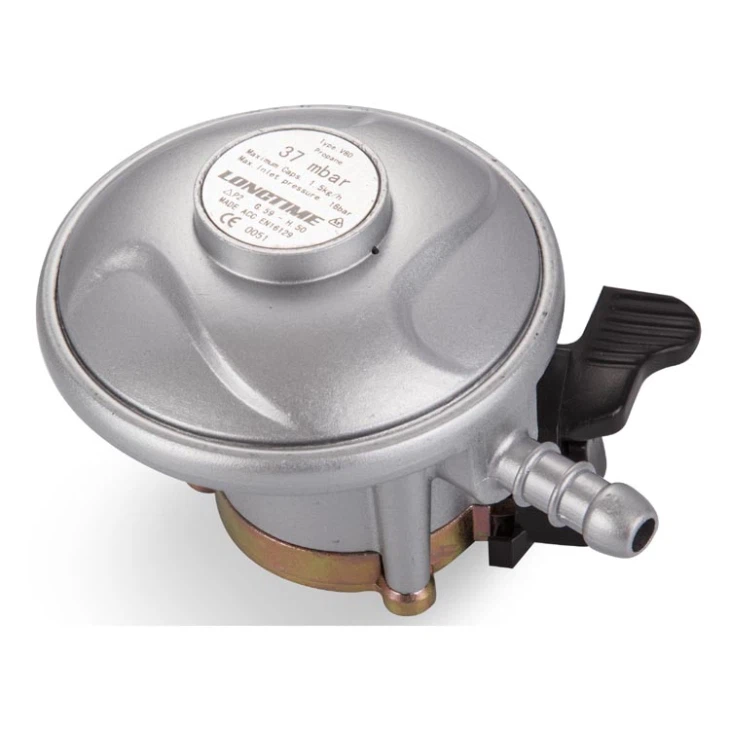
As a supplier of LP Gas Tank Regulators, we offer a diverse range of products to meet the needs of different applications. Our Residential Gas Regulator is specifically designed for use in homes, providing a safe and reliable supply of LP gas for heating and cooking. It features a high - quality pressure relief valve that ensures the safety of your family and home.
For those in need of a regulator for LPG applications, our Click On Gas Regulator For LPG is an excellent choice. This regulator is easy to install and provides precise pressure control, with a pressure relief valve that offers reliable over - pressure protection.
If you are using butane gas, our Snap On Butane Regulator is a great option. It is designed to be compatible with butane gas tanks and features a durable pressure relief valve to ensure the safe operation of your butane - powered appliances.
Why Choose Our Regulators
Our LP Gas Tank Regulators are manufactured using the highest quality materials and the latest manufacturing techniques. We conduct rigorous quality control tests on every regulator to ensure that it meets our strict standards. Our pressure relief valves are precision - engineered to open at the correct pressure and provide reliable performance over a long period of time.
In addition, we offer excellent customer service. Our team of experts is available to answer any questions you may have about our products and to provide technical support. Whether you are a homeowner, a contractor, or an industrial user, we can help you find the right LP Gas Tank Regulator for your needs.
Contact Us for Procurement
If you are interested in purchasing our LP Gas Tank Regulators, we invite you to contact us for procurement. Our products are known for their quality, reliability, and safety. We can provide you with competitive pricing and fast delivery. Whether you need a single regulator for a small project or a large quantity for an industrial application, we can meet your requirements. Reach out to us today to start the procurement process and ensure the safe and efficient operation of your LP gas system.
References
- National Fire Protection Association (NFPA). NFPA 58: Liquefied Petroleum Gas Code.
- American Society of Mechanical Engineers (ASME). ASME Boiler and Pressure Vessel Code.
- International Organization for Standardization (ISO). ISO standards related to LP gas systems.


