


A gas cooktop is a staple in many kitchens around the world, offering precise temperature control and instant heat. At the heart of its functionality lies a crucial component: the gas cooktop regulator. As a leading supplier of gas cooktop regulators, I've had the privilege of witnessing firsthand how these devices interact with the cooktop's burner valves to ensure safe and efficient operation. In this blog post, I'll delve into the intricacies of this interaction, exploring the science behind it and its practical implications for users.
Understanding the Basics: Gas Cooktop Regulators and Burner Valves
Before we dive into the interaction between the regulator and the burner valves, let's first understand what each component does.
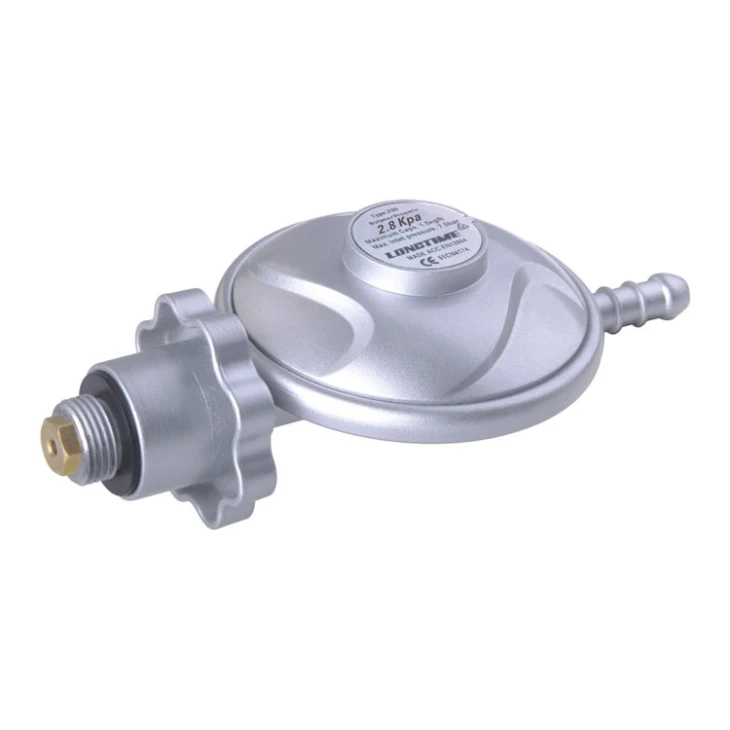
A gas cooktop regulator is a device that controls the pressure of the gas flowing from the gas source (such as a propane tank or a natural gas line) to the cooktop. Its primary function is to maintain a consistent and safe pressure, regardless of fluctuations in the gas supply or changes in the cooktop's demand for gas. This is essential for ensuring that the burner valves receive a steady flow of gas at the correct pressure, which is necessary for proper combustion and efficient operation of the cooktop.
On the other hand, burner valves are responsible for controlling the flow of gas to the individual burners on the cooktop. They are typically operated by a control knob, which allows the user to adjust the flame size and intensity. When the user turns the control knob, the burner valve opens or closes, regulating the amount of gas that flows to the burner.
How the Regulator Interacts with the Burner Valves
The interaction between the gas cooktop regulator and the burner valves is a complex process that involves several steps. Let's take a closer look at each step to understand how it works.
Step 1: Gas Supply and Pressure Regulation
The process begins with the gas supply. Whether it's propane or natural gas, the gas enters the cooktop through a supply line. The regulator is installed along this supply line and acts as a gatekeeper, controlling the pressure of the gas before it reaches the burner valves.
When the gas enters the regulator, it passes through a series of chambers and diaphragms. These components work together to sense the pressure of the incoming gas and adjust the flow accordingly. If the pressure is too high, the regulator will reduce the flow of gas to maintain a safe and consistent pressure. Conversely, if the pressure is too low, the regulator will increase the flow of gas to ensure that the burner valves receive enough gas to operate properly.
Step 2: Gas Distribution to the Burner Valves
Once the gas has been regulated to the correct pressure, it is distributed to the burner valves through a network of pipes or tubes. Each burner valve is connected to the regulator by a separate line, allowing the gas to be delivered directly to the burner.
The burner valves are designed to open and close in response to the user's control. When the user turns the control knob to increase the flame size, the burner valve opens, allowing more gas to flow to the burner. Conversely, when the user turns the control knob to decrease the flame size, the burner valve closes, reducing the flow of gas to the burner.
Step 3: Combustion at the Burners
When the gas reaches the burner, it mixes with air and is ignited by a spark or a pilot light. The combustion process releases heat, which is used to cook food on the cooktop. The efficiency and performance of the combustion process depend on several factors, including the quality of the gas, the amount of air mixed with the gas, and the pressure of the gas.
The regulator plays a crucial role in ensuring that the combustion process is efficient and safe. By maintaining a consistent pressure, the regulator ensures that the gas is delivered to the burner at the correct rate, which is necessary for proper mixing with air and efficient combustion. If the pressure is too high or too low, the combustion process may be incomplete, resulting in poor performance, increased energy consumption, and potentially dangerous conditions.
The Importance of Proper Interaction
The proper interaction between the gas cooktop regulator and the burner valves is essential for several reasons.
Safety
One of the most important reasons for ensuring proper interaction is safety. A malfunctioning regulator or burner valve can lead to a variety of safety hazards, including gas leaks, fires, and explosions. By maintaining a consistent pressure and controlling the flow of gas, the regulator helps to prevent these hazards and ensure that the cooktop operates safely.
Efficiency
Proper interaction between the regulator and the burner valves also improves the efficiency of the cooktop. When the gas is delivered to the burner at the correct pressure, it mixes with air more effectively, resulting in a more complete combustion process. This means that more of the energy in the gas is converted into heat, which is used to cook food. As a result, the cooktop uses less gas and operates more efficiently, saving energy and reducing costs.

Performance
In addition to safety and efficiency, proper interaction between the regulator and the burner valves also affects the performance of the cooktop. When the gas is delivered to the burner at the correct pressure, the flame is more stable and consistent, allowing for more precise temperature control. This is especially important for tasks that require precise cooking, such as simmering or sautéing.
Our Gas Cooktop Regulators
As a supplier of gas cooktop regulators, we understand the importance of providing high-quality products that ensure proper interaction with the burner valves. That's why we offer a wide range of regulators, including Adjustable Low Pressure LP Gas Regulator, 2.8 KPa Gas Regulator, and Low Pressure LP Regulator with Meter.
Our regulators are designed and manufactured to the highest standards, using the latest technology and materials. They are tested rigorously to ensure that they meet or exceed industry standards for safety, efficiency, and performance. Whether you're a professional chef or a home cook, our regulators will provide you with the peace of mind and performance you need.
Contact Us for Procurement
If you're in the market for a gas cooktop regulator, we invite you to contact us for procurement. Our team of experts will be happy to assist you in selecting the right regulator for your needs and provide you with detailed information about our products and services. We offer competitive pricing, fast delivery, and excellent customer support, ensuring that you have a positive experience from start to finish.
References
- "Gas Appliance Installation and Service Manual," National Propane Gas Association
- "Residential Gas Appliance Installation Code," American Gas Association
- "Gas Cooktop Troubleshooting Guide," Consumer Reports


