


In the realm of gas systems, the gas pressure regulator stands as an unsung hero, quietly ensuring safety and efficiency. As a dedicated Gas Pressure Regulator supplier, I've witnessed firsthand the importance of these devices in various industrial and domestic settings. In this blog, I'll delve into the potential risks of not using a gas pressure regulator, highlighting why it's a crucial component in any gas - powered system.
1. Over - Pressurization and Its Consequences
One of the most significant risks of operating without a gas pressure regulator is over - pressurization. Gas sources, such as cylinders or pipelines, often deliver gas at high pressures that are far beyond what most appliances can handle. For instance, natural gas from a main pipeline can be supplied at pressures ranging from several hundred to over a thousand pounds per square inch (psi). Appliances like gas stoves, heaters, or industrial burners, on the other hand, typically require pressures in the single - digit psi range.
Without a regulator to control the pressure, the high - pressure gas will flood into the appliance. This can cause immediate and severe damage to the internal components of the device. Seals and gaskets, which are designed to withstand only a certain level of pressure, may rupture. This not only leads to gas leaks but also compromises the structural integrity of the appliance. In industrial settings, over - pressurization can damage expensive machinery, leading to costly repairs and downtime.
If the pressure is extreme enough, it can even cause the appliance to explode. A home gas heater that receives gas at an unregulated high pressure could malfunction, leading to a potentially life - threatening explosion in a residential area. Similar scenarios can occur in commercial kitchens, where gas stoves are a staple. The risk of explosions is not only a threat to property but also to human lives.
2. Inconsistent Gas Flow and Appliance Performance
Another drawback of not using a gas pressure regulator is inconsistent gas flow. Gas pressure from the source can fluctuate due to various factors such as changes in supply demand, temperature variations, or blockages in the pipeline. Without a regulator, these fluctuations will directly impact the gas flow to the appliance.
In a domestic gas stove, inconsistent gas flow can lead to uneven heating. Some burners may produce a low flame, making it difficult to cook food properly, while others may have a high, uncontrollable flame. This not only affects the quality of cooking but also poses a safety hazard. In an industrial heating process, inconsistent gas flow can lead to variations in the temperature of the heating chamber. This is particularly problematic in processes that require precise temperature control, such as metal smelting or glass manufacturing. The end - product quality can be severely compromised, leading to waste and financial losses.

3. Increased Risk of Gas Leaks
Gas pressure regulators are designed to maintain a stable pressure within the gas system. When there is no regulator, the high and fluctuating pressures can put excessive stress on the gas connections and fittings. Over time, this stress can cause these connections to loosen or develop cracks.
Gas leaks are a major concern as natural gas and other common gases are highly flammable. A small gas leak can quickly accumulate in an enclosed space, creating an explosive atmosphere. In addition to the fire and explosion risks, many gas types, such as natural gas, contain odorants like mercaptan. However, in some cases, the odor may not be strong enough to detect a small leak, especially in large, well - ventilated areas. Prolonged exposure to gas leaks can also lead to health problems, including headaches, nausea, and in severe cases, asphyxiation.
4. Reduced Appliance Lifespan
Appliances are engineered to function optimally at specific gas pressures. When they are exposed to unregulated gas pressures, the wear and tear on their components increase significantly. The high - pressure gas can cause rapid corrosion of metal parts, and the inconsistent flow can lead to mechanical stress on moving parts.
For example, in a gas water heater, the burner and the heat exchanger are constantly exposed to the gas flow. Without a regulator, these components will degrade much faster than normal. This means that the appliance will need to be replaced more frequently, resulting in additional costs for the user. In an industrial context, where the capital investment in gas - powered equipment is substantial, the premature failure of these appliances can have a significant impact on the bottom line.
5. Non - Compliance with Safety Standards
In many countries and regions, the use of gas pressure regulators is mandated by safety standards and regulations. These standards are in place to protect consumers, workers, and the environment. Operating a gas system without a regulator is a violation of these safety codes.
For businesses, non - compliance can result in hefty fines and legal penalties. Insurance companies may also refuse to cover damages resulting from accidents in a non - compliant gas system. In addition, regulatory authorities can shut down operations until the issue is resolved, leading to significant business disruptions.
Quality Gas Pressure Regulators: Our Solution
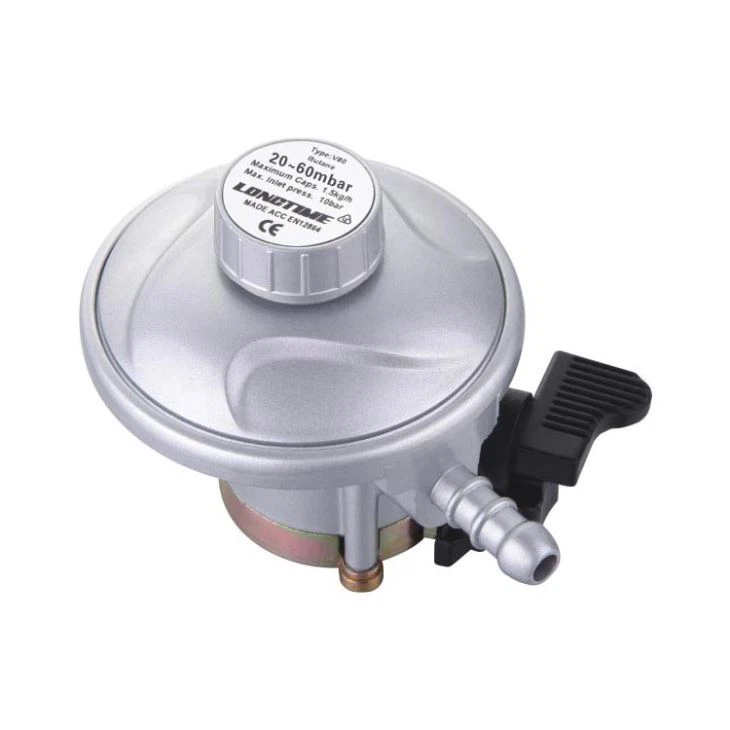
As a Gas Pressure Regulator supplier, we understand the critical role these devices play in ensuring safety and efficient operation. We offer a wide range of high - quality regulators, including the Snap On Gas Regulator, Quick On Butane Regulator, and CE Approved Butane Gas Regulator.
Our regulators are designed to meet the highest safety and performance standards. They are engineered to provide precise pressure control, ensuring a consistent and safe gas flow to your appliances. Whether you are a homeowner looking to upgrade your gas system or an industrial operator in need of reliable regulators for large - scale equipment, we have the solution for you.
Contact Us for Purchase and Consultation
If you are concerned about the safety and efficiency of your gas system, or if you are in the market for a gas pressure regulator, don't hesitate to contact us. Our team of experts is ready to assist you in selecting the right regulator for your specific needs. We can provide detailed information about our products, offer technical support, and guide you through the installation process.
Investing in a high - quality gas pressure regulator is an investment in safety, efficiency, and the long - term performance of your gas - powered appliances. Make the smart choice and protect your property, your business, and most importantly, your loved ones.
References
- "Gas Pressure Regulation Handbook", International Association of Fire Fighters
- "Safety Standards for Gas Appliances and Systems", Regulatory Agency Publications


